
Boondi Laddu is a pan-Indian mithai built from boondi — tiny round pearls of gram-flour (besan) batter, deep-fried in ghee or oil and then soaked in cardamom-scented sugar syrup until they swell and soften. The wet, sweetened pearls are pressed together while warm into round balls, often studded with cashews, raisins, melon seeds and a thread of saffron. The result is a moist, golden sphere that holds its shape but crumbles into juicy beads in the mouth. It is among the most common festival and temple sweets in India, made by the kilo for weddings, Diwali and religious offerings.

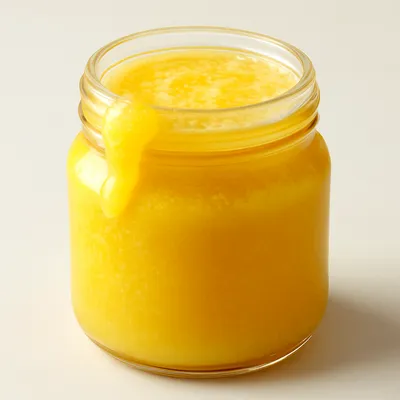

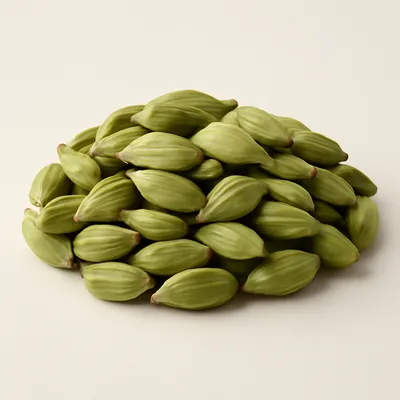
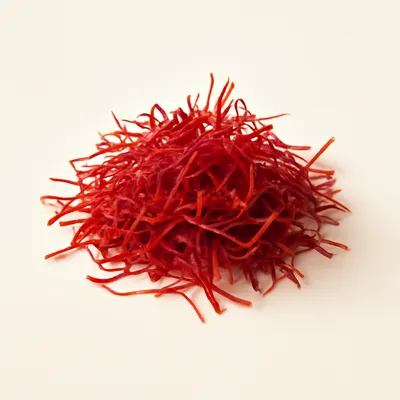

Boondi Laddu grows out of the long halwai (confectioner) tradition of fried-batter sweets and is a staple of temple prasadam (consecrated food offering) across India. Its most documented form is the Tirupati Laddu of the Venkateswara temple in Andhra Pradesh, made in the temple's potu (kitchen) and distributed to pilgrims; that specific temple sweet was granted a Geographical Indication in 2009, which protects the Tirupati name rather than boondi laddu in general. The wider sweet has no single recorded inventor and is made in countless regional styles; the word laddu derives from the Sanskrit 'lattika' for a small ball, and boondi from 'bund', a droplet — a literal description of the batter dripped through a perforated ladle.
A round, deep-gold ball, slightly bumpy from the visible pearls pressed into it, glistening with syrup. It holds together when picked up but breaks apart easily, collapsing into soft, separate beads that have each drunk in the sugar. The texture is moist and yielding, neither chewy nor dry, the little pearls bursting with sweet syrup against the occasional crunch of cashew and the chew of a raisin. The flavour is roasted gram flour and ghee, roundly sweet, warm with cardamom and a faint floral saffron. Eaten at room temperature, one ball at a time.
Two stages define it: forming the boondi, then binding it with syrup at the right stage. A loose besan batter is dripped through a perforated ladle into hot ghee or oil around 175°C; surface tension pulls each falling drop into a near-perfect sphere that sets as the outside fries crisp while the inside stays tender. The pearls must be fried just to pale gold and kept soft, not crisp-hard, so they can later absorb syrup. The sugar syrup is cooked to roughly one-string consistency, about 110–115°C — thin enough to soak into the porous pearls but thick enough to bind them. The fried boondi is folded into the warm syrup and rested so it swells and turns moist; while still warm and sticky, handfuls are pressed into balls, the surface tackiness and the dissolved sugar acting as the glue. As they cool the syrup sets just enough to hold the sphere without making it hard.
Variations
The Tirupati temple version is the most famous and is large, ghee-rich and studded with cashews and raisins. Motichoor laddu (which exists as a separate sweet) uses far finer pearls mashed almost smooth, whereas boondi laddu keeps the pearls distinct and whole. Regional and shop styles vary the colour (plain, or tinted yellow and orange), the fat (pure ghee versus oil), and the add-ins — cashew, almond, raisin, melon seed, edible camphor and saffron in temple versions, grated coconut or chironji elsewhere. A savoury cousin, khara boondi, seasons the same pearls with salt and spice instead of syrup.
On the Palate
Where Boondi Laddu sits in the Indian flavor cloud
Ingredients
Serves 12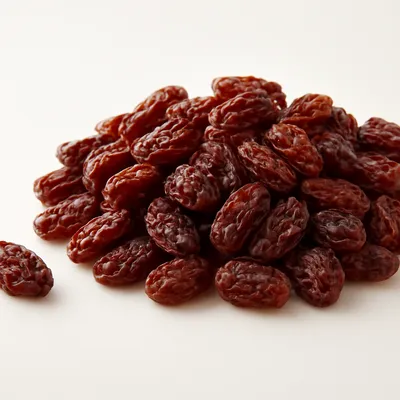

How it's made
6 steps · 20 min
- 110 min
Whisk gram flour with water and a pinch of baking soda into a smooth, flowing batter with no lumps.
- 28 min
Heat ghee or oil to about 175°C; hold a perforated boondi ladle over it and pour batter through, letting droplets fall into the fat.
Watch outPour the batter through the perforated ladle into 175°C fat — surface tension rounds each drop into a pearl, but only if the oil's hot enough to set it fast.
- 315 min
Fry the pearls just to pale gold, keeping them soft, then lift and drain; repeat in batches.
- 48 min
Make the syrup: boil sugar with water, cardamom and saffron to one-string consistency (about 110–115°C).
Watch outCook the syrup only to one-string, 110–115°C — too thin it won't bind the pearls, too thick they can't soak it up.
- 520 min
Fold the warm boondi into the warm syrup along with cashews and raisins; rest until the pearls swell and soak.
Watch outRest the boondi in the warm syrup until it swells and soaks through — press the balls too soon and they crumble apart.
- 612 min
While still warm, grease your palms and press handfuls firmly into round balls; set aside to firm as they cool.
Archive tool suggestions — not reviewed
These legacy suggestions have not been evidence-reviewed and are not presented as required tools.


