
Balushahi is a North Indian fried-dough sweet often called the Indian doughnut: a disc of flaky, ghee-shortened flour dough with a thumb-pressed dimple, fried slow until pale gold and crisp-layered, then dipped in sugar syrup so it sets to a thin, dry glaze over a soft, biscuity crumb. Unlike a yeasted doughnut it is dense and shortbread-like inside, shattering into flakes rather than tearing. It is a staple of festivals, weddings and sweet shops across the Hindi belt, and is the same sweet as the South Indian badushah and the Bihari khurmi.

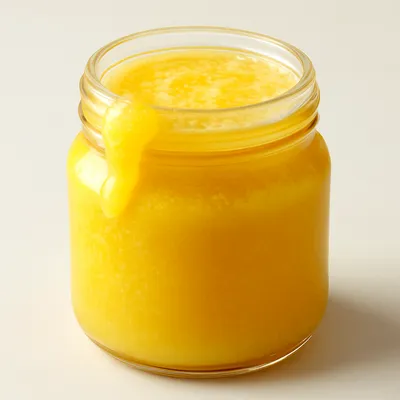
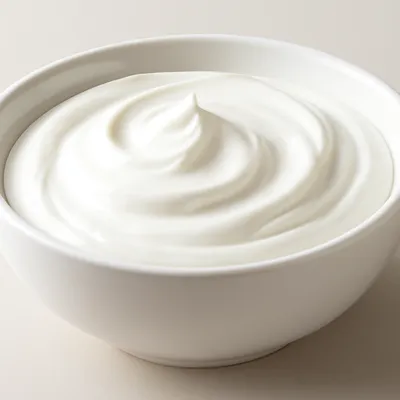

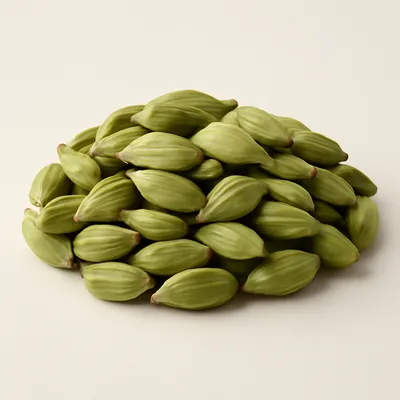

Balushahi is a long-established halwai sweet of the North Indian and Mughlai sweet-shop tradition, built on the same idea as many subcontinental fried sweets — a fat-rich dough fried and steeped in syrup. The identical sweet appears across regions under different names: badushah or badusha in Tamil Nadu, Karnataka and Andhra, and khurmi in parts of Bihar and the east. No single inventor or dated origin is recorded; it is folk confectioner's work, and its layered, shortened dough and slow low-temperature fry distinguish it from the spongy, syrup-drunk gulab jamun made from milk solids.
A pale-gold disc about the size of a small scone, dry and matte with set syrup, slightly cracked at the dimpled top. It breaks with a short, crumbly snap and inside is dense and flaky — closer to shortbread than to a soft doughnut — with distinct buttery layers that melt on the tongue. The sweetness is in the thin syrup crust; the crumb itself is rich and only lightly sweet, scented with cardamom. Best a day old, when the glaze has fully crystallized.
Plain flour is rubbed with plenty of ghee until sandy (the shortening that blocks gluten and creates flakiness), then bound lightly with yogurt and a little baking soda — kneaded as little as possible so the dough stays short, not stretchy. The discs are fried very slowly in moderately warm ghee: a low temperature lets the inside cook through and the layers separate before the outside browns, which is why rushing the heat leaves a raw, doughy centre. The cooled fritters are dipped in a thick one-string syrup; as it dries it crystallizes into the characteristic dry, frosted glaze rather than a wet coat.
Variations
The same sweet is called badushah in Tamil Nadu, Karnataka and Andhra Pradesh, where it is a wedding and Diwali standard, and khurmi in parts of Bihar. Regional touches include scenting with rose water or cardamom, a saffron-tinted syrup, or a stud of pistachio in the dimple. Some makers prefer a thinner, glassier glaze; others a thick white sugar crust. The dough ratio of ghee to flour is what separates a flaky balushahi from a hard, biscuit-like one.
On the Palate
Where Balushahi sits in the Indian flavor cloud
Ingredients
Serves 8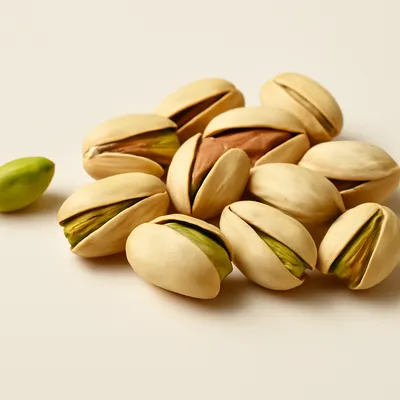
How it's made
6 steps · 30 min
- 110 min
Rub plain flour with plenty of ghee until the mixture resembles damp sand.
Watch outRub the ghee into the flour until it looks like damp sand — thoroughly shortened flour is what makes balushahi flaky; under-rub and it turns dense and bready.
- 240 min
Add yogurt and a pinch of baking soda and bring together into a soft dough with minimal kneading; rest 30-40 minutes.
- 312 min
Divide into balls, smooth each and press a dimple in the centre with a thumb.
- 425 min
Fry very slowly in moderately warm ghee, turning, until pale gold, crisp and cooked through; drain and cool.
Watch outFry very slowly in moderately warm ghee — low heat lets the inside cook through and the layers separate before the outside browns; rush it and the center stays raw and doughy.
- 512 min
Make a thick one-string sugar syrup scented with cardamom and keep it warm.
- 620 min
Dip the cooled balushahi in the syrup to coat, lift onto a rack, and let the glaze dry and crystallize.
Watch outDip the cooled balushahi in the thick syrup, then let it dry — a thick one-string syrup crystallizes into the dry frosted glaze; too thin a syrup just soaks in and leaves them wet.
Archive tool suggestions — not reviewed
These legacy suggestions have not been evidence-reviewed and are not presented as required tools.


