Odisha's everyday fermented rice-and-urad pancake, thinner and softer than a dosa, served for breakfast with potato curry, ghugni, or jaggery. It is one of the oldest forms of fermented rice-and-legume batter cooking in eastern India and is often cited as a forerunner of the South Indian dosa.



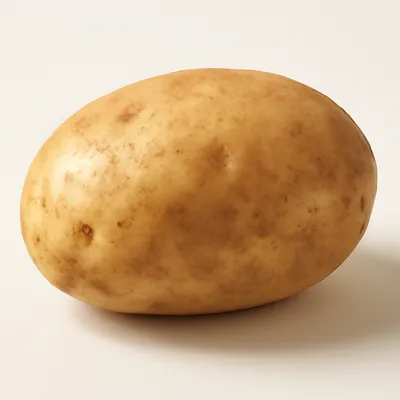
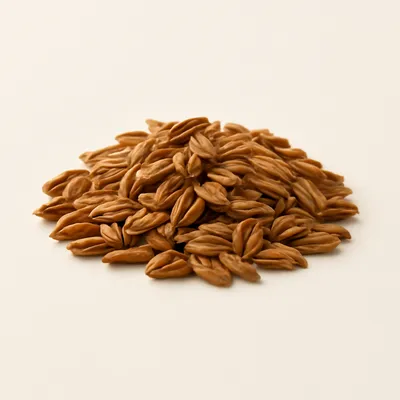

Chakuli pitha is the everyday breakfast pancake of Odisha, made from a fermented batter of rice and split, de-husked black gram (urad dal, called biri in Odia). It belongs to the ancient Odia pitha tradition, and within it is the unfermented-or-fermented flat cake form; it is often cited in Odisha as a forerunner of the South Indian dosa, on the argument that the rice-and-urad fermented batter is an old eastern Indian technique that traveled or was independently developed south. The batter is ground slightly thinner than a dosa batter and cooked on a hot griddle into a soft, pale pancake — not the crisp, lacy dosa — and it is the staple breakfast of Odia homes, eaten with ghugni (a pea curry), alu tarkari (potato curry), or simply jaggery. A thicker, sweeter form called budha chakuli is made for elders and for festivals. The dish is also one of the pithas prepared for the Raja festival alongside poda pitha and manda pitha.
Soft, slightly spongy, and faintly sour pancake with a thin crisp underside, mild enough to carry a fiery potato curry or a spoon of jaggery.
The ferment is the foundation. Overnight fermentation by wild yeasts and lactic-acid bacteria produces carbon dioxide, trapped by the batter's viscous starch-and-protein network to give the pancake a light, hole-pocked structure when cooked, and lactic acid, which both flavors the batter with a clean sourness and weakens the starch slightly so it browns more readily. Cooking on a hot griddle at roughly 180–200°C gelatinizes the starch at the surface into a thin, crisp layer while the trapped gas leaves the interior soft and spongy — unlike a dosa, which is spread very thin and cooked crisp throughout, a chakuli is poured thicker and stays soft. The rice provides most of the starch and structure; the urad dal provides the protein that, with the rice starch, builds the network holding the bubbles.
Variations
Budha chakuli is a thicker, sweeter, spiced version; a suji (semolina) chakuli skips fermentation, and some add grated coconut to the batter.
On the Palate
Where Chakuli Pitha sits in the Indian flavor cloud
Ingredients
Serves 4How it's made
6 steps · 15 min
- 18 min
Soak rice and urad dal together for several hours.
- 26 min
Drain and grind to a smooth, slightly thin batter with salt, then ferment overnight until risen.
Watch outFerment the batter overnight until it rises and smells pleasantly sour — flat, un-risen batter makes dense pancakes with no holes or spring.
- 32 min
Heat a griddle and grease it lightly.
- 44 min
Pour a ladle of batter and spread it gently into a soft, round pancake (thicker than a dosa).
Watch outSpread it thicker than a dosa into a soft round — chakuli is meant to be spongy inside, not thin and crisp all through.
- 54 min
Cook until the top sets and the underside is lightly browned, then flip briefly.
- 62 min
Serve hot with ghugni, potato curry, chutney, or jaggery.


