
A soft, thick, spongy dosa from Karnataka, small and pillowy with a surface full of tiny holes, served in a stack of three. Unlike the thin crisp dosa, the batter carries a heavy share of beaten rice (poha), which makes it tender and porous rather than crackling. The dosas are cooked on one side only, never folded, so they stay plush. The classic accompaniment is coconut chutney and a mild mixed-vegetable saagu, the soft dosa soaking up the gravy.




Set dosa is a breakfast staple of Karnataka, especially Bangalore and the Mysore region, where it is a fixture of Udupi-style tiffin restaurants and darshini eateries. The name comes from the way it is served — a 'set' of three soft dosas to a plate rather than a single large crepe. It is distinct from the older thin dosa in both texture and method: the batter is built for sponginess, and the small thick rounds suit a quick griddle and a stacked serving. No founding restaurant or date is recorded; it is regarded as a regional Karnataka style of dosa rather than a single invention.
Three small rounds the thickness of a thick pancake, stacked, the tops freckled with open pores and the bottoms a pale gold. The crumb is soft and faintly springy, almost like a steamed bread, with a gentle fermented tang. There is no crunch at all; you tear off a piece, press it into the saagu, and it drinks up the gravy. Done right it is cloud-light; if dense and rubbery, the batter was short on poha or under-fermented.
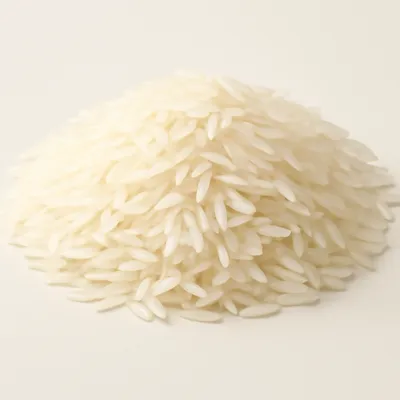
The signature sponge comes from beaten rice (poha) soaked and ground into the batter alongside the usual rice and black gram. Poha is pre-gelatinised, so it holds water and traps the gas of fermentation, building a soft open crumb instead of a thin crisp sheet; some cooks fold in a little curd or cooked rice to push the same effect. The batter still ferments overnight so wild lactic bacteria leaven it and lend the tang. On the griddle the dosa is cooked covered on one side only — the trapped steam sets the holes and keeps the top moist rather than crisping it.
Variations
Plain set dosa is the most common, served with saagu and chutney; some versions add curd or cooked rice for extra softness, and a no-ferment instant set dosa uses semolina and curd for speed. It is closely related to the thicker, sweeter sponge dosas of coastal Karnataka. A 'set masala dosa' tops or fills the soft rounds with spiced potato, bending the form toward a masala dosa.
On the Palate
Where Set Dosa sits in the Indian flavor cloud
Ingredients
Serves 3How it's made
5 steps · 40 min
- 1300 min
Soak rice, black gram, fenugreek, and a generous amount of beaten rice (poha) together for several hours.
- 215 min
Grind to a smooth, slightly thick batter, add salt, and leave to ferment overnight in a warm spot until risen and bubbly.
Watch outFerment overnight until the batter is risen and bubbly — the wild fermentation both leavens the spongy crumb and lends the tang; under-fermented and it bakes flat and flavourless.
- 33 min
Stir the fermented batter gently without knocking out the air; it should be thicker than a crisp-dosa batter.
- 48 min
Ladle onto a moderately hot greased griddle into small thick rounds without spreading thin, cover, and cook on one side only until the top sets with open holes.
Watch outLadle thick rounds without spreading, cover, and cook one side only until the top sets with open holes — the trapped steam is what makes the spongy crumb; flip it and you lose the softness.
- 52 min
Lift off without flipping, stack three to a plate, and serve hot with coconut chutney and vegetable saagu.
Archive tool suggestions — not reviewed
These legacy suggestions have not been evidence-reviewed and are not presented as required tools.


