A festive Andhra sweet dumpling: balls of cooked chana dal and jaggery are enclosed in a fermented urad-dal-and-rice batter and deep-fried until the casing is crisp and golden while the center stays soft and sweet. Also called poornam boorelu or poornalu, they are made for Sankranti, Ugadi, and as temple prasadam.



Boorelu (poornam boorelu, poornalu) are a festive sweet of Andhra Pradesh whose name states their content: the filling, called poornam, is a cooked paste of chana dal and jaggery, while the casing is a fermented batter of urad dal and rice — the same base as a dosa or vada. They are made for major Telugu festivals — Sankranti in January, Ugadi the Telugu new year, and Deepavali — and are among the most common sweets offered as temple prasadam in Andhra Vaishnavite temples, where the chana-dal-and-jaggery filling is itself a standard offering. The form is shared across South India: the Tamil sukhiyan, the Kerala unniyappam, and the coastal mangalore bajji all wrap a sweet lentil-and-jaggery core in a legume-and-rice batter and fry it. The pairing of a fermented outer batter with a sweet inner paste is an old South Indian technique that predates refined sugar, relying on jaggery for sweetness and fermentation for the casing's lift.
A crisp, deep-fried shell splitting to a warm, sweet chana-dal-and-jaggery paste scented with cardamom — the casing savory and slightly sour from fermentation, the center rich and soft.
Two processes, one inside the other. The urad-dal-and-rice batter ferments first: wild yeasts and lactic-acid bacteria produce carbon dioxide, which the batter's viscous gluten-free network traps as bubbles, and lactic acid, which both flavors the casing and tenderizes its starch. In the fryer, the batter sets rapidly as its starch gelatinizes and its surface dehydrates into a crisp shell at roughly 170–180°C; the trapped gas expands and creates the characteristic irregular, lumpy surface. The chana-dal-and-jaggery filling, already cooked before frying, merely warms through — its own starch gelatinized and its sucrose dissolved — so it stays soft and cohesive. The casing's slight sourness, from fermentation, is the point of contrast that keeps the sweet filling from cloying.
Variations
Some add grated coconut or a little all-purpose flour to the casing for binding; a smaller, ping-pong-ball form is made for temple prasadam, and the filling is occasionally spiced with dry ginger.
On the Palate
Where Boorelu sits in the Indian flavor cloud
Ingredients
Serves 6How it's made
6 steps · 30 min
- 110 min
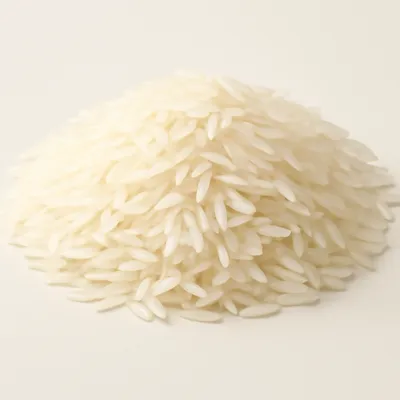
Soak raw rice and urad dal separately for 4–6 hours, then grind to a smooth batter and ferment briefly.
- 210 min
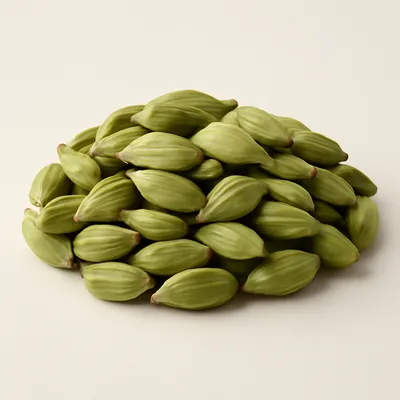
Cook chana dal until very soft, drain, and mash, then mix with melted jaggery and cardamom to a cohesive paste.
- 35 min
Cool the filling and roll it into smooth balls.
- 44 min
Whisk salt and a little rice flour into the batter to a thick coating consistency.
- 58 min
Dip each filling ball into the batter, coating it fully, and deep-fry in hot oil until golden and crisp.
Watch outWhisk the batter to a thick coating consistency before dipping — too thin and it slides off, leaving the filling exposed and greasy.
- 64 min
Drain and serve warm, or cool and offer as prasadam.
Watch outFry until golden and crisp all over — the bumpy, irregular surface is the sign the fermented batter puffed right.


