
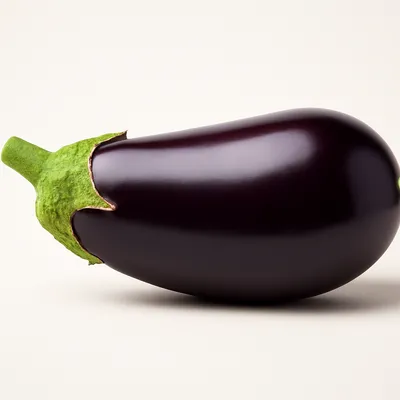
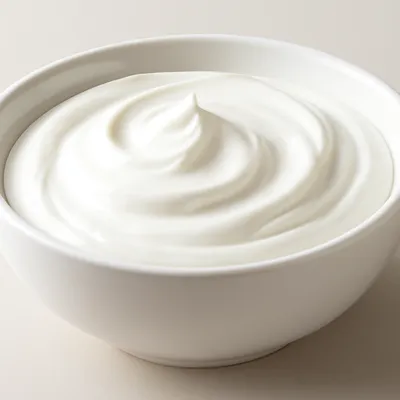
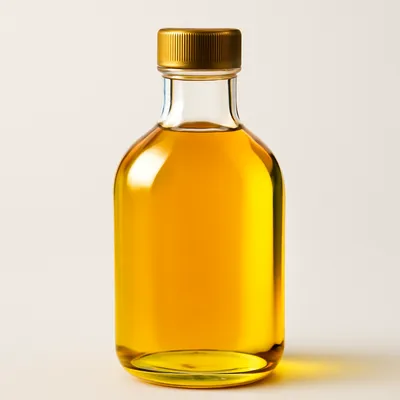
Dahi Baigana is an everyday Odia side from Odisha in eastern India that sets fried brinjal in a lightly spiced, tempered yogurt sauce. Slices or small whole brinjals are fried soft in mustard oil, then folded through whisked dahi seasoned with turmeric, a little sugar, and salt, and finished with a tadka of panch phoran, dried red chili, and curry leaves. Because it carries no onion or garlic, it belongs to the sattvic-leaning cooking served on fasting days and festivals, and it is eaten cool or at room temperature rather than hot. Served over plain rice or alongside pakhala, its tang and gentle heat make it a foil to richer dishes.
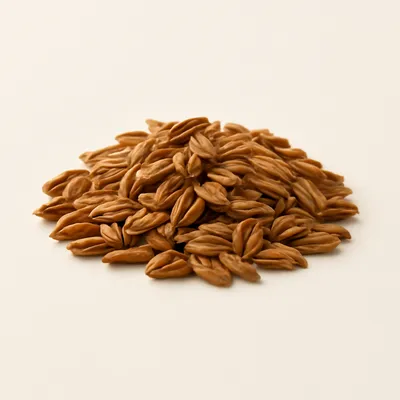
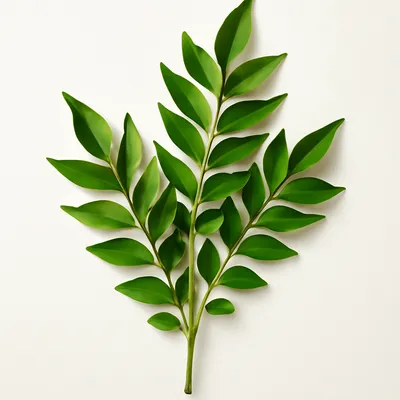

Dahi Baigana is a home-cook staple across Odisha with no single recorded origin, belonging to the broad eastern-Indian habit of pairing fried brinjal with curd. Its defining traits place it within Odia festival and fasting cookery: it is made without onion or garlic, so it is acceptable as bhog and on ritual days, and it leans on the dahi-and-brinjal pairing that recurs across Odia kitchens. The state's everyday use of mustard oil and panch phoran — the five-seed tempering that includes mustard, cumin, fennel, fenugreek, and nigella — gives the dish its regional stamp, distinct from the onion-based dahi baingan of north India. It is typically counted among the simple no-fuss dishes cooked for everyday meals and for occasions when a cooling, no-onion side is wanted.
Soft, oil-glossed pieces of brinjal slump in a pale, loose yogurt sauce streaked yellow with turmeric. The first taste is the cool sourness of curd, balanced by a faint sweetness and the warmth of mustard oil; behind it sits the toasty crackle of panch phoran and the curry leaf, with a dried-chili heat that stays low. The brinjal has gone meltingly tender and soaks up the sauce, almost custard-soft inside its fried skin. It is eaten cool, which sharpens the tang against a mound of plain rice.
Brinjal is fried first in hot mustard oil so its spongy flesh collapses and browns, driving off raw bitterness and firming the cut surfaces (Maillard browning) so the pieces hold shape in the sauce rather than dissolving. The yogurt is the part that needs care: dahi curdles if it is boiled, because heat and acid make the casein proteins clump and the whey separate, so it is whisked smooth, often steadied with a pinch of besan or by tempering it with a little warm liquid, and kept just below a simmer or stirred in off the heat. A pinch of sugar rounds the sourness and a little turmeric colors and warms it. The aromatics come from a tadka — panch phoran, dried red chili, and curry leaves bloomed in hot oil at roughly 160–180°C to release their fat-soluble aromatics — poured over at the end so they keep their crackle.
Variations
The brinjal can be cut into rounds or fingers, or left whole as small fruits and slit; some cooks deep-fry it, others shallow-fry or roast it to cut the oil. The tadka varies between plain mustard seed and the full panch phoran, and a few recipes add a green-chili-and-cumin paste for more bite. There is a sweet-sour 'khatta' style that pushes the sugar up. It sits within a family of Odia curd dishes — dahi bara aloo dum pairs lentil dumplings and potato in seasoned curd, while across the wider region dahi baingan also appears in north-Indian kitchens, where it is typically built on a fried onion-tomato base, unlike the onion-free Odia version.
On the Palate
Where Dahi Baigana sits in the Indian flavor cloud
Ingredients
Serves 4


How it's made
7 steps · 20 min
- 18 min
Slice 3 medium brinjals into thick rounds (or use small whole ones, slit crosswise); rub lightly with salt and a little turmeric.
- 212 min
Heat mustard oil in a pan until it just smokes, then fry the brinjal in batches over medium heat until soft and golden on both sides; lift out and set aside.
Watch outHeat the mustard oil until it just smokes before frying — that flashing off tames its raw pungency; fry in cold oil and the dish tastes sharp.
- 34 min
In a bowl, whisk 1.5 cups yogurt smooth with turmeric, 1 teaspoon sugar, salt, and a pinch of gram flour so it will not split.
- 42 min
In the same pan, in a little fresh oil, temper panch phoran, dried red chili, and curry leaves until they crackle and smell toasty.
- 53 min
Lower the heat and stir in the whisked yogurt, warming it gently without letting it boil, until the sauce is smooth and just heated through.
Watch outWarm the yogurt in off the heat and never let it boil — dahi curdles at a boil; the pinch of gram flour and low heat keep it smooth.
- 63 min
Fold in the fried brinjal, simmer very gently for 2 to 3 minutes so the pieces soak up the sauce, then take off the heat.
- 75 min
Cool to room temperature (or chill), check the salt and sugar, and serve over plain rice or with pakhala.
Archive tool suggestions — not reviewed
These legacy suggestions have not been evidence-reviewed and are not presented as required tools.


