
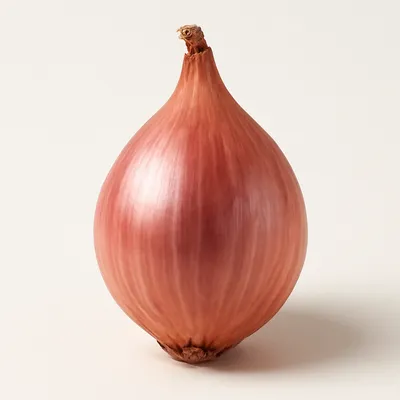
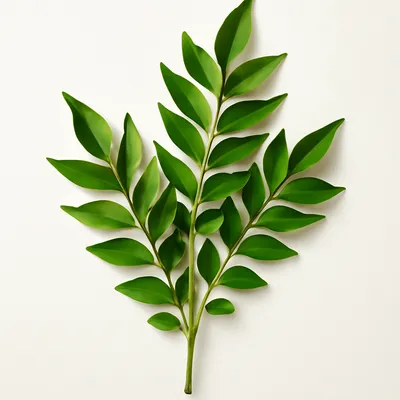
Chemmeen Curry is the Kerala prawn curry of the Malabar and Kuttanad coasts, prawns simmered in a coconut gravy made sour and smoky with kudampuli, the sun-dried Malabar tamarind. Shallots, ginger, garlic, green chili and curry leaves are cooked in coconut oil with chili and coriander, the prawns are simmered with soaked kudampuli, and coconut — as thick milk or a ground paste — gives the gravy its body. The curry is at once hot, tangy and rich, the kudampuli lending a dark, almost smoked sourness that defines Kerala seafood. It is eaten with rice, kappa or appam.




Chemmeen — prawn or shrimp in Malayalam — is everyday cooking of Kerala's coastal fishing communities, Christian, Muslim and Hindu alike, in a region whose backwaters and sea have made shellfish a staple. What marks the dish as unmistakably Keralan is kudampuli (Garcinia gummi-gutta/cambogia, the Malabar or 'fish' tamarind), whose halved rind is sun-dried and smoked to a leathery black and used in place of ordinary tamarind as a souring agent that does not muddy coconut. It is closely related to but distinct from kokum (Garcinia indica), the souring fruit of the more northern Konkan and Goan coast. The curry has no single recorded origin; it is regional home and toddy-shop fare carried by tradition.
Plump prawns curl in a thin, deep orange-red gravy stained dark where the kudampuli has steeped. The first taste is sour and salty, a tang with a faint smokiness quite unlike the round sourness of tamarind, then chili heat rises, then a low coconut sweetness and the grassy lift of curry leaf underneath. The prawns are sweet and just-firm, not rubbery. Coconut oil rounds the edges. Spooned over plain rice or mopped up with appam, it is bright, hot and savory, and like many Kerala curries it tastes deeper the next day.
Kudampuli is load-bearing: it stays cleanly acidic at coconut-simmer heat, where lime juice would turn bitter, and it sours the gravy without curdling coconut milk the way yogurt can, so it is the coastal souring agent of choice. Its sun-drying and smoking give it the characteristic dark, faintly smoked sourness; soaking the rind in warm water first releases the acid into the curry. Prawns cook in only a couple of minutes and toughen if overdone, so they go in late and are simmered just until they turn opaque and curl. Coconut, added as thick milk near the end or as a ground paste, thickens and enriches the thin gravy; if thick coconut milk is used it is warmed below a boil to keep it from splitting. Coconut oil carries the regional flavor.
Variations
Two broad styles run along the coast: a thin, soupy version built on thick coconut milk (chemmeen thenga pal curry) and a darker, thicker one built on roasted-and-ground coconut (chemmeen varutharachathu), where the coconut is browned before grinding for a deeper, nuttier gravy. Some cooks add raw mango or drumstick (muringakka) in season, or green tomato for extra tang. Heat varies from gentle to fierce, the toddy-shop and Malabar Muslim versions being especially hot. A nearly dry, intensely spiced 'roast' form (chemmeen olarthiyathu) reduces the gravy down to a clinging masala.
On the Palate
Where Chemmeen Curry sits in the Indian flavor cloud
Ingredients
Serves 4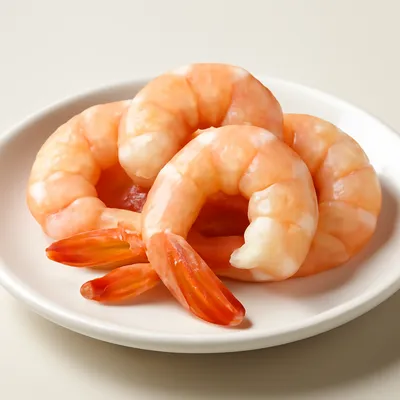


How it's made
8 steps · 30 min active + 5 min waiting
- 18 min
Clean and devein the prawns; rinse and drain.
- 25 min
Soak the kudampuli (Malabar tamarind) pieces in a little warm water to soften.
Watch outSoak the kudampuli in warm water first so it releases its acid — this smoked rind is your souring agent and won't curdle the coconut milk the way lime or yogurt can.
- 36 min
Heat coconut oil and saute sliced shallots, ginger, garlic, slit green chili and curry leaves until soft.
- 42 min
Lower the heat, add chili, coriander and turmeric powder, and roast briefly without burning.
- 56 min
Add a little water along with the soaked kudampuli and its water to make a thin gravy; season with salt and simmer to blend.
- 64 min
Slide in the prawns and simmer gently just until they turn opaque and curl.
Watch outSlide the prawns in late and pull them the moment they turn opaque and curl — a couple of minutes is all they take; simmer on and they go rubbery.
- 73 min
Stir in thick coconut milk (or ground coconut paste) and warm through below a boil.
Watch outAdd the thick coconut milk near the end and keep it below a boil — let it boil and the coconut splits into grainy curds and an oily slick.
- 83 min
Finish with a tempering of shallots and curry leaves in coconut oil; serve with rice, kappa or appam.
Archive tool suggestions — not reviewed
These legacy suggestions have not been evidence-reviewed and are not presented as required tools.


