
Rajma is a North Indian home staple of red kidney beans simmered in a thick onion-tomato gravy built on ginger, garlic and ground spices. The soaked beans are first boiled soft, then folded into a base of browned onion and tomato seasoned with cumin, coriander, turmeric, red chilli and garam masala, and cooked until the gravy turns creamy and clings to the beans. It is the everyday curry of Punjab and the Delhi belt, eaten ladled over plain steamed rice as the beloved combination rajma chawal. A spoonful of the bean's own mashed starch is often stirred back in to thicken the sauce.
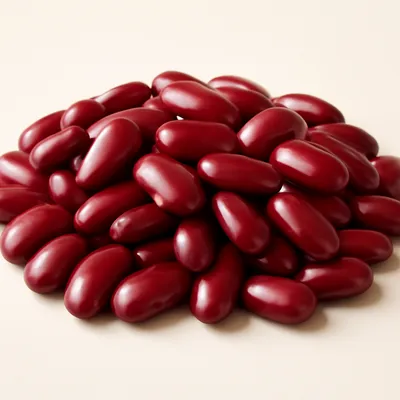



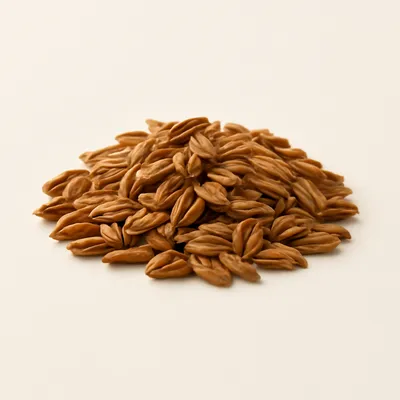

The red kidney bean is a New World crop, domesticated in Mesoamerica and carried across the oceans in the Columbian Exchange that followed the late-fifteenth-century voyages; the precise route and date of its arrival in India are not settled, with both early Portuguese coastal trade and later European introductions cited. Whatever the path, the bean was taken up especially in the north and the lower Himalaya — Punjab, Jammu and Himachal Pradesh, where high-altitude varieties such as Bhaderwah and Chamba rajma are still prized — and married to the existing North Indian technique of slow-cooking pulses in a spiced onion-tomato masala. The word rajma denotes the bean itself, and rajma chawal (rajma with rice) became one of the defining comfort meals of Punjabi and Delhi households.
Deep brick-red beans in a glossy, thick gravy, served steaming over a mound of white rice. The kidney beans are soft enough to crush against the palate but hold their shape, with a mild, almost meaty creaminess inside. The sauce is warm and earthy rather than fiery — onion-sweet, tomato-tart, rounded by cumin and garam masala. Eaten by mixing a little gravy into each forkful of rice; a wedge of raw onion and a squeeze of lemon sharpen it.
Two things make rajma. First, the beans must be fully hydrated and cooked soft: dried kidney beans are soaked 8 hours or overnight, then boiled (often pressure-cooked) until they yield completely — undercooked kidney beans are not only chalky but contain phytohaemagglutinin, a lectin made harmless only by a proper hard boil. Second, the gravy is built by bhuna — onions browned slowly to develop sweetness, then ginger-garlic and ground spices fried in the fat until the raw edge cooks off and the oil separates, with tomato cooked down to a pulp. A portion of beans is mashed and the cooking liquor reduced so the dish thickens to a clinging consistency from the beans' own starch, not from cream.
Variations
Households differ in heat and in whether they finish with a tadka (a sizzle of cumin and chilli in hot ghee) poured over the top. Hill versions made with small high-altitude beans such as Bhaderwah or Jammu rajma cook to a softer, more melting gravy and are considered a delicacy. Other Indian kidney-bean preparations include rajma masala (a richer, spicier restaurant style) and the Kumaoni gahat-and-rajma dishes of Uttarakhand; the dark, small red beans of the hills are distinct from the large pale-red commercial kidney bean.
On the Palate
Where Rajma sits in the Indian flavor cloud
Ingredients
Serves 4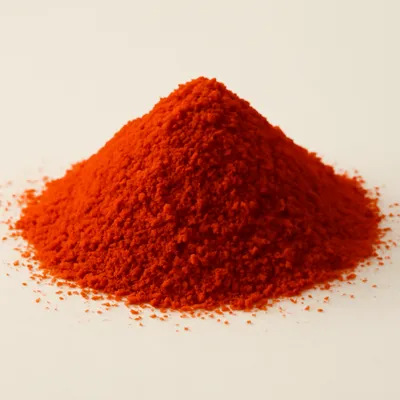

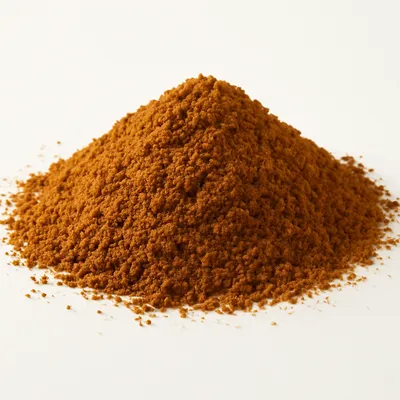

How it's made
6 steps · 8 hours
- 1480 min
Soak the dried kidney beans in plenty of water for 8 hours or overnight, then drain.
- 240 min
Boil the soaked beans, ideally in a pressure cooker, until completely soft and easily crushed; reserve the cooking liquid.
Watch outBoil the beans right through until they crush to mush with no chalky core — a proper hard boil, both for the melting texture and to break down the raw-bean lectin that would otherwise upset your stomach.
- 38 min
Brown the chopped onions in oil or ghee until deep golden, then fry the ginger-garlic paste until the raw smell goes.
- 48 min
Add turmeric, cumin, coriander and red chilli powder, then the pureed tomatoes, and cook down until the oil separates.
Watch outCook the onion-ginger-garlic and spices with the tomato until the oil separates and pools at the edges — that oil breaking out is the signal the masala base is properly bhuna'd.
- 525 min
Tip in the cooked beans with their liquid, mash a few against the side, and simmer until the gravy thickens and clings.
Watch outMash a few beans against the side and simmer until the gravy thickens and clings — the crushed beans are what give rajma its creamy body instead of a thin soup.
- 64 min
Stir in garam masala, adjust salt and consistency, and finish with chopped coriander; serve hot over steamed rice.
Archive tool suggestions — not reviewed
These legacy suggestions have not been evidence-reviewed and are not presented as required tools.


