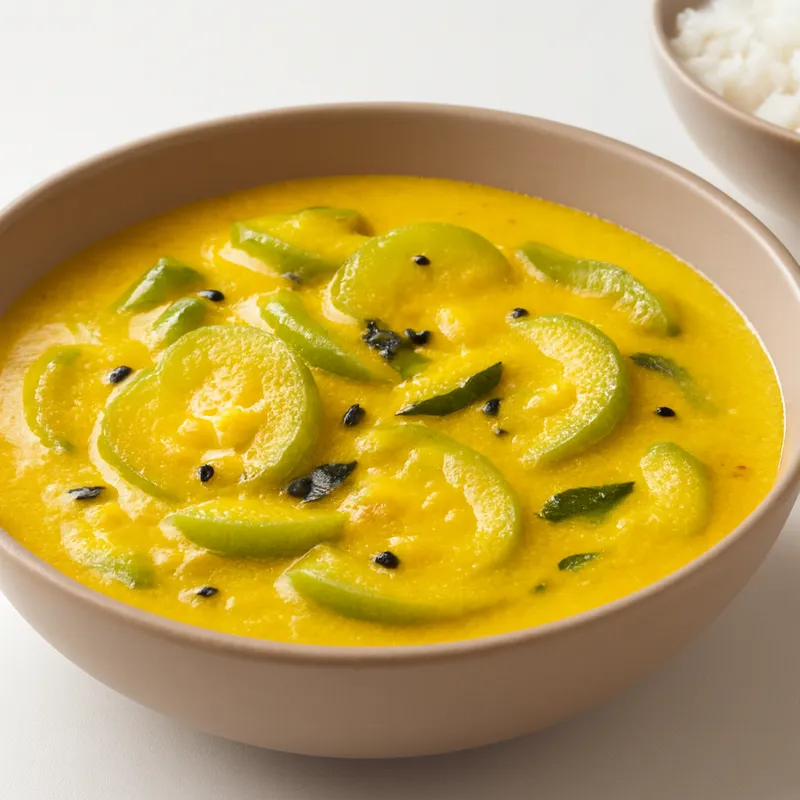
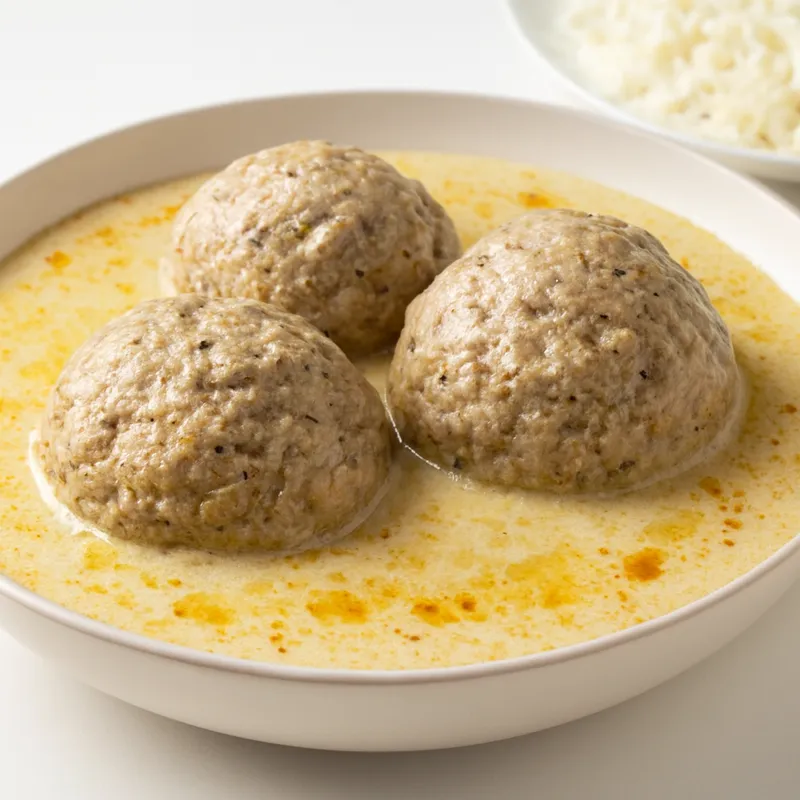
Fish delicately poached in a tangy, spicy coconut milk curry with a burst of kokum.





Kerala's fish curry tradition runs back to the spice-trade era; black pepper and ginger were already going west via the Malabar Coast by the first century BCE. Kodampuli (Garcinia gummi-gutta/cambogia, aka Malabar/fish tamarind) — the souring agent that defines the dish — entered the kitchen as a coastal substitute for tamarind, with a cleaner acid that doesn't muddy coconut milk. The clay-pot version (meen vevichathu) is Christian-fishing-village cooking from Alleppey and Kottayam.
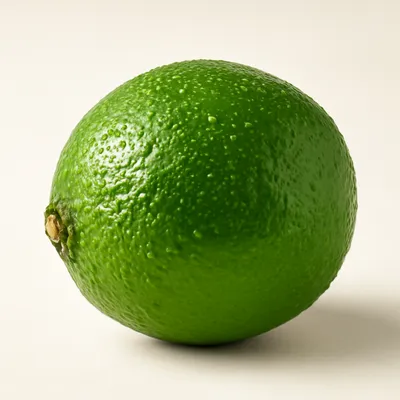
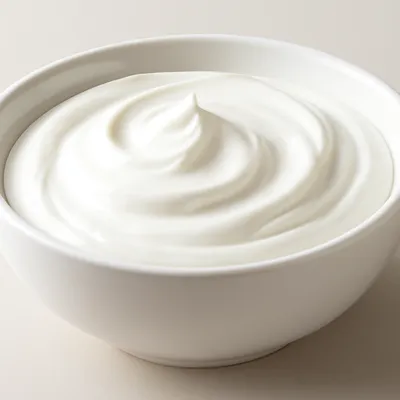
Malabar coast spice-trade cooking — black pepper and ginger were going west from here by the 1st century BCE. Kokum is load-bearing: it stays acidic at coconut-simmer heat where lime would turn bitter and yogurt would split. Day-old pot beats fresh.
Firm white fish — usually seer, sardine, or pearl spot — sitting in a thin orange-red coconut gravy stained with kokum or tamarind. The first taste is sour-salty, then chili heat creeps up, then a low coconut sweetness underneath. Eaten with rice or kappa (boiled tapioca). A day-old pot tastes better than a fresh one; the fish has soaked.
The pot matters: traditional manchatti (unglazed clay) absorbs a layer of curry, so the second batch tastes deeper than the first. Kokum is load-bearing — it stays acidic at coconut-simmer temperature where lime juice would go bitter, and won't curdle the milk the way yogurt does. Coconut oil, not ghee; the pairing is regional and non-negotiable.
Variations
Alleppey meen vevichathu is the Christian fishing-village clay-pot version with kokum; Malabar Muslim meen mulakittathu pushes chile harder; Kerala-Brahmin moru curry uses yogurt instead of coconut milk.
On the Palate
Where Kerala Fish Curry sits in the Indian flavor cloud
Ingredients










How it's made
5 steps · 45 min
- 15 min
Heat coconut oil and add mustard seeds until they crackle.
Watch outWait for the mustard seeds to pop and crackle before anything else goes in — that snap means the oil is hot enough.
- 28 min
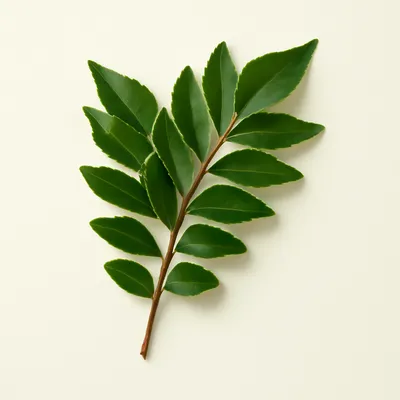
Sauté ginger, garlic, and curry leaves.
- 33 min
Mix in turmeric, Kashmiri chili, and fenugreek.
- 415 min
Pour in coconut milk and kokum, and bring to a simmer.
Watch outOnce coconut milk and kokum go in, drop the heat to a bare tremble — surface just shivering, never a full boil.
- 55 min
Add fish pieces and cook until tender.
Watch outSlide the fish in and let it barely simmer; nudge the pot, don't stir, or the pieces break apart.
Archive tool suggestions — not reviewed
These legacy suggestions have not been evidence-reviewed and are not presented as required tools.