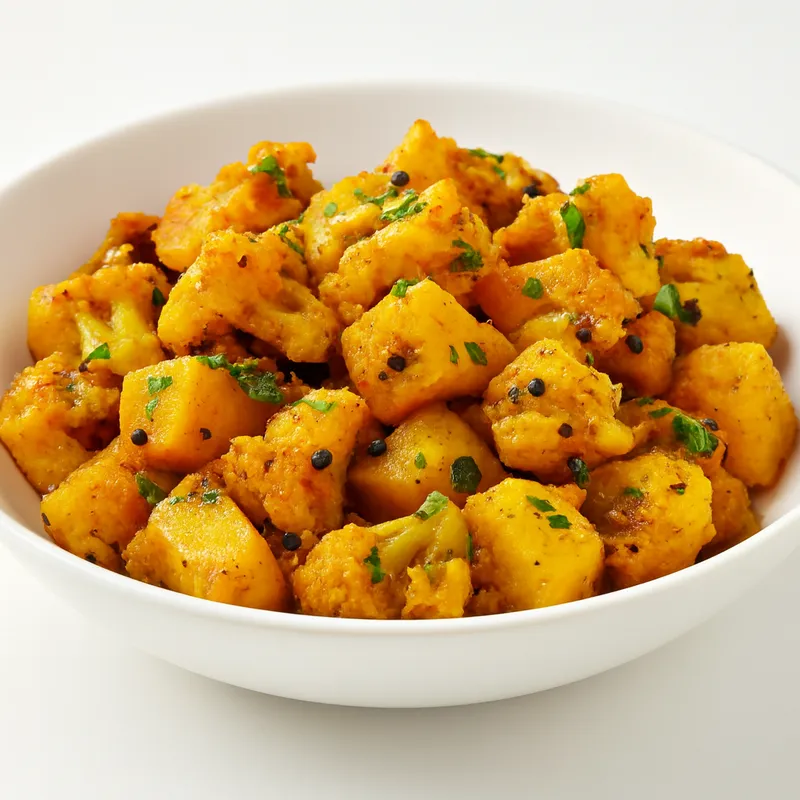
A Kerala coastal dry preparation in which sardines or anchovies are cooked in a sealed clay pot with coarsely pounded fresh coconut, kudampuli (Malabar tamarind), turmeric, green chilies, shallots, and curry leaves until every drop of moisture evaporates and each fish piece is encased in a fragrant coconut-turmeric crust. Native to the backwater kitchens of Kottayam and central Kerala, it improves overnight as the kudampuli continues to work through the coconut and fish.


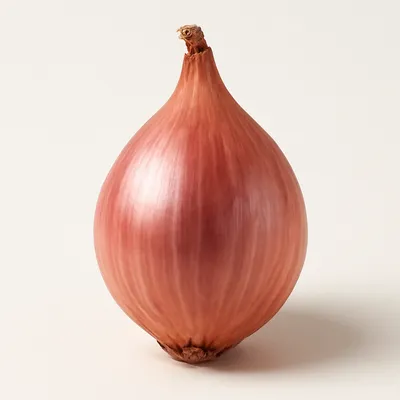


Meen Peera belongs to the oldest stratum of Kerala's nadan coastal cooking, built around two ingredients that define the region: fresh coconut and kudampuli — the dried rind of Garcinia cambogia harvested from forests along the Western Ghats. Kudampuli is sun-dried and then smoke-cured until its flesh turns black, developing a deep smoky tang that raw tamarind cannot replicate; it can be stored for years at room temperature, making it the essential souring and preserving agent in backwater fish kitchens long before refrigeration. The dish's defining technique — a sealed earthenware manchatti pot, coarsely pounded rather than pureed coconut, and the deliberate evaporation of all liquid — reflects the inland fishing household tradition of Kottayam and neighboring districts, where sardines and anchovies arrive in abundance during monsoon. Kerala culinary tradition regards the next-day version of Meen Peera as superior to the freshly cooked dish, as kudampuli's organic acids continue penetrating the coconut crust and fish flesh through the night.
Dense and almost crumbly — each fish piece is thoroughly sheathed in a turmeric-gold coconut coat, warm with the fat of freshly cracked coconut and fragrant from curry leaves scorched in coconut oil. The first bite releases a concentrated tang from kudampuli alongside the mild sweetness of fresh coconut; the fish flesh is firm yet yielding, the small bones soft enough to eat, and a clean slick of coconut oil coats the palate throughout.
Kudampuli's hydroxycitric acid and other organic acids denature surface proteins on the fish during the marinade phase, firming the outer layer and preventing the flesh from breaking apart during cooking. As heat drives moisture from the sealed clay pot, the fat released from freshly grated coconut coats every surface — this fat is the medium in which curcumin from turmeric and capsaicin from green chili dissolve and distribute evenly across the fish. The sealed pot initially cooks by steam trapped within; once the natural moisture in the fish and coconut fully evaporates, the dish transitions to a dry-heat phase in which coconut sugars lightly caramelize and the crust sets firm. The clay pot walls absorb heat and re-radiate it gently, preventing scorching while allowing this slow desiccation to occur evenly throughout the vessel.
Variations
In some households, sliced raw green mango replaces kudampuli as the souring agent, yielding a fresher, brighter tang. Small freshwater fish from Kerala's backwater canals can substitute for sea sardines or anchovies. The same technique applied to prawns produces chemmeen peera, popular in coastal households. In the Kottayam district, the dish is commonly made with valanpuli (tamarind) instead of kudampuli when the latter is unavailable.
On the Palate
Where Meen Peera sits in the Indian flavor cloud
Ingredients
Serves 4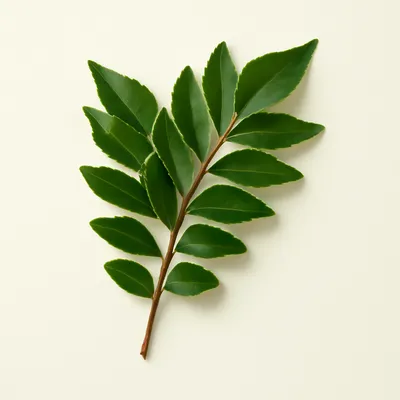


How it's made
7 steps · 20 min
- 115 min
Soak 2 to 3 pieces of kudampuli in ¼ cup of warm water for 15 minutes until softened; reserve the soaking liquid.
- 212 min
Clean and wash sardines or anchovies; leave small fish whole with heads removed, or cut larger sardines into 2-inch sections; toss with a pinch of turmeric and salt and set aside to marinate for 10 minutes.
- 35 min
In a stone mortar or food processor, coarsely grind fresh grated coconut with ginger, garlic, green chilies, and the soaked kudampuli — the mixture must remain rough and granular, not a smooth paste.
Watch outGrind the coconut coarse and grainy, never to a smooth paste — the rough texture clinging to the fish is the whole point of peera.
- 44 min
Heat a clay pot (manchatti) over medium flame; add coconut oil and sauté sliced shallots, curry leaves, and dried red chilies until the shallots turn soft and fragrant, about 3 minutes.
- 52 min
Add the coarse coconut mixture to the pot; stir to combine with the shallots and oil and cook for 2 minutes.
- 615 min
Lay the marinated fish on top of the coconut mixture in a single layer; pour the kudampuli soaking liquid over the fish; cover the clay pot tightly and cook over low heat for 12 to 15 minutes.
Watch outCover and cook gently twelve to fifteen minutes without stirring — the sealed pot steams the fish through; poke it and the flesh breaks up.
- 77 min
Remove the lid and gently swirl the pot to mix — do not use a spoon, which will break the fish; continue cooking uncovered for 3 to 5 minutes until all liquid has evaporated and the coconut clings to the fish. Drizzle with a little fresh coconut oil and serve with rice.
Watch outSwirl the pot, don't spoon — finish uncovered until the liquid dries off and the coconut clings tight to the fish.
Archive tool suggestions — not reviewed
These legacy suggestions have not been evidence-reviewed and are not presented as required tools.