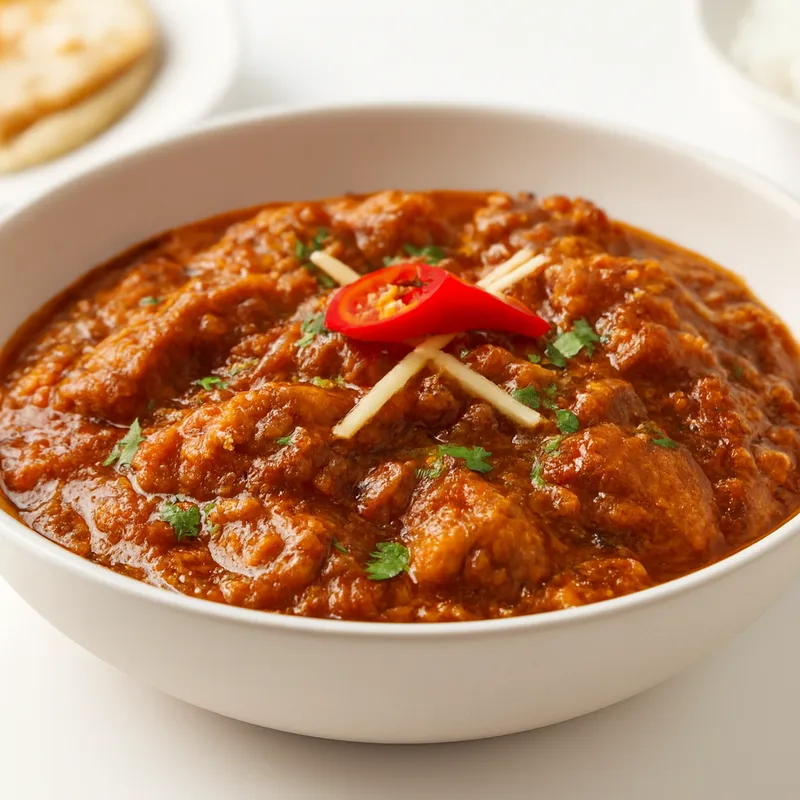
Dry-roasted mussels from the Malabar coast, stir-fried in coconut oil with shallots, ginger julienne, coconut slivers, fennel, and Kerala spice powders until every drop of moisture has evaporated and the masala forms an aromatic dark crust on each piece of mussel meat. Ularthiyathu — the technique of cooking down to absolute dryness — is the defining preparation for shellfish in the Mappila Muslim kitchen of northern Kerala.




Mussel harvesting has been practiced for centuries along the estuaries and tidal inlets of the Malabar coast, particularly around Kozhikode (Calicut) and the Beypore river mouth, by coastal Muslim and fishing communities. Arab merchants trading through Calicut from at least the 9th century CE brought the spice combinations — fennel, black pepper, coriander, dried chili — that fused with the region's abundant bivalve harvest to establish the Mappila culinary tradition's shellfish repertoire. The ularthiyathu technique, applied equally to beef, sardines, prawns, and shellfish in northern Kerala's kitchens, is a cornerstone of Mappila cooking, attested in community oral tradition and recipe lineage predating the arrival of Portuguese traders on the Malabar coast in 1498 CE. Kallumakkaya, meaning stone mussel, is distinguished from the related kadukka (rock mussel) found in the same coastal waters, and the ularthiyathu preparation remains the canonical treatment at coastal seafood restaurants from Kozhikode to Kannur.
Intensely aromatic and meaty — each mussel is tender within but sheathed in a dark, dry masala crust delivering layered hits of fennel sweetness, fresh chili heat, black pepper bite, and the nuttiness of browned coconut slivers; coconut oil grounds the whole with a distinctly Kerala richness that no neutral oil can replicate.
Mussels are briefly parboiled (5–7 minutes) to denature surface proteins and open the shells; the meat reaches approximately 70°C, setting texture without toughening. In the stir-fry stage, coconut oil at around 180°C instantly volatilizes the terpenes in curry leaves and fennel seeds, saturating the pan with aromatic compounds. Shallots caramelize through sustained Maillard reaction, building a savory base. As moisture evaporates from both the mussels and the masala, spice powders concentrate and bind to the mussel surface, undergoing further Maillard browning that darkens and intensifies the coating. Coconut slivers contribute lauric acid and lactone compounds that release nuttiness and add textural contrast between their crunch and the yielding mussel flesh.
Variations
Kallumakkaya nirachathu stuffs raw shells with a spiced rice mixture before steaming; a semi-wet version removed from heat before full dryness serves as filling for steamed rice cakes (kallumakkaya ada); kadukka (rock mussels) can be prepared by the same method with minor spice adjustments; some cooks substitute tamarind pulp for mango puree as the souring agent.
On the Palate
Where Kallumakkaya Ularthiyathu sits in the Indian flavor cloud
Ingredients
Serves 4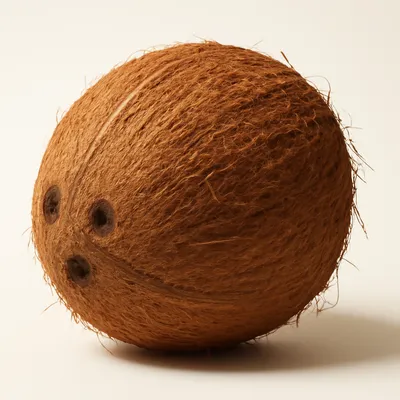

How it's made
8 steps · 20 min
- 15 min
Scrub 1 kg fresh mussels under cold running water, removing any beards; discard any shells that are already open or cracked.
- 210 min
Bring a pot of salted water to a rolling boil; add the mussels, cover, and cook 5–7 minutes until all shells open. Drain, remove meat from shells, discard any that did not open, and pat the meat dry.
Watch outPull the mussels off the heat the moment every shell opens — a minute too long and the meat shrinks tough and rubbery.
- 35 min
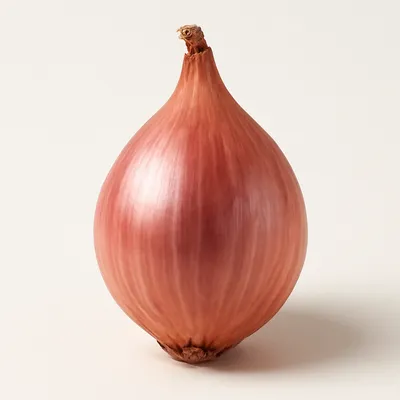
In a small mortar, crush together 10g fennel seeds, 10g black peppercorns, 10g dried red chili, and 50g shallots to a coarse paste; set aside.
- 43 min
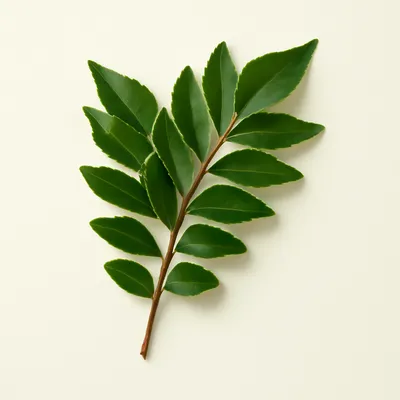
Heat 50ml coconut oil in a wide heavy kadhai or cast-iron pan over medium-high heat; add 10g whole fennel seeds and a sprig of curry leaves and let them splutter for 20–30 seconds.
- 58 min
Add 250g thinly sliced shallots, 50g ginger cut into fine julienne, 25g sliced green chilies, and 25g fresh coconut slivers; stir-fry, tossing frequently, until the shallots are deep golden and the coconut is lightly browned, about 7–8 minutes.
- 67 min
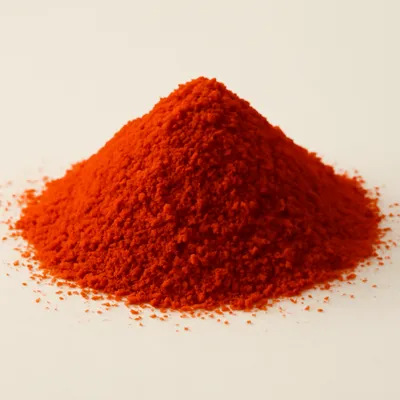
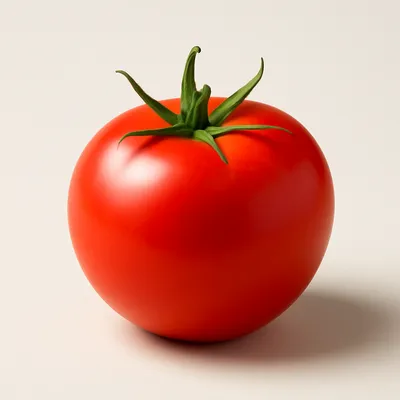
Add the crushed paste and the spice powders (1.5 tsp chili powder, 1.5 tsp coriander powder, 0.5 tsp turmeric); stir well, then add 100g chopped tomato and cook, stirring, until the tomato breaks down into a thick paste, about 5 minutes.
- 710 min
Add the dried mussel meat and salt to taste; toss to coat thoroughly, then stir-fry over medium-high heat for 8–10 minutes, stirring frequently, until all moisture has completely evaporated and the masala forms a dry, fragrant coating over each mussel.
Watch outKeep stir-frying until every drop of moisture is gone and the masala coats each mussel dry — this is a dry sukka, and any liquid left makes it a curry.
- 82 min
Stir in 1 tsp raw mango puree or a squeeze of lime, toss once to finish, remove from heat, and serve immediately as a side with rice, pathiri flatbread, or porotta.