


Kerala
Appam: lacy rice pancakes.
Appam
Delicate rice pancakes with a lacy edge, enriched with the creamy goodness of coconut milk
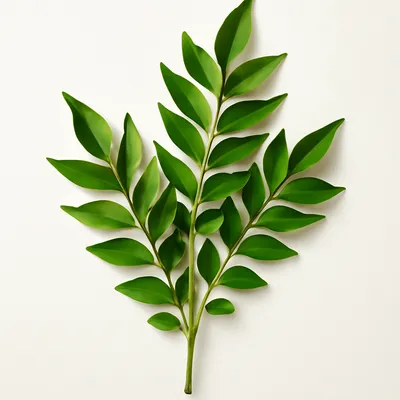
View page →Kerala is southwestern India's narrow coastal state — the original Spice Coast that drew Arabs, Romans, Chinese, Portuguese, Dutch, and British for 2,000 years. The cuisine is coconut-anchored (coconut grows wild here), seafood-rich, rice-centered, and uses spices in restrained measured amounts (despite producing most of India's spices). Appam are bowl-shaped rice-and-coconut-milk pancakes with crispy lacy edges and a soft center — eaten with stew (vegetables in coconut milk) or fish curry. Kerala fish curry is the Christian Malayali signature — fish (often kingfish or sardine) in tamarind-coconut-curry-leaf-tomato sauce, cooked in a clay pot. Avial is the mixed-vegetable stew with coconut, yogurt, and curry leaves — a Mahabharata-legend dish (attributed to Bhima) and an essential part of the sadya feast. The sadya is the banana-leaf feast — 20+ dishes served on a leaf, eaten with rice in a specific order. The cuisine is the most-Christian-influenced of Indian regional cooking, coconut-deep, and quietly sophisticated.
The Palate
Dishes to explore
Appam
Fermented rice-and-coconut-milk batter swirled in a small bowl-shaped pan over high heat — produces bowl-shaped pancakes with crispy lacy edges and a soft spongy center.
Appam is what Kerala eats for breakfast — pair with vegetable stew (ishtu) or fish curry. The fermented batter and the special pan are the technique.
Kerala Fish Curry
Fish (kingfish, sardine, or mackerel) simmered in a tamarind-and-coconut-milk gravy with green chili, ginger, curry leaves, and mustard seeds, cooked in a clay pot for the right earthy flavor.
Kerala fish curry is the Christian Malayali Sunday dish. The clay pot is the secret — the porosity gives the curry its distinctive earthy depth.
The Pantry



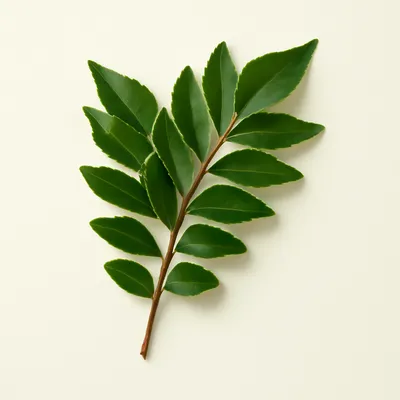
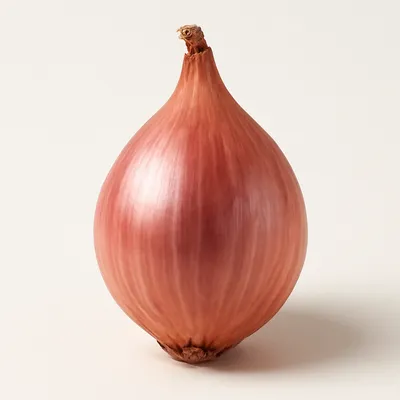

See all 97 ingredients›


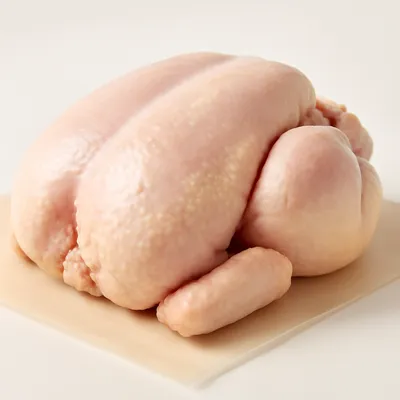
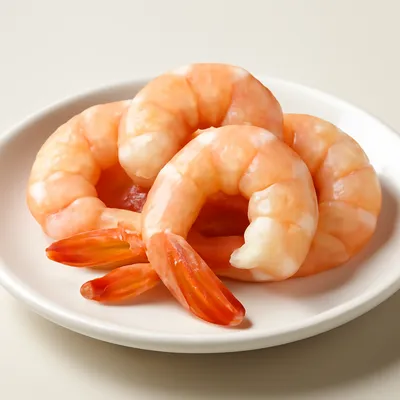
















Herbs & Spices


















How They Cook
Methods linked to dishes in this catalog
Related cuisines
Linked by ingredient records in this catalog
Other regions
Siblings within Indian — each its own tradition.