Delicate rice pancakes with a lacy edge, enriched with the creamy goodness of coconut milk.


From Kerala, on India's southwest Malabar coast, with roots that go back at least 1,000 years — appam appears far earlier, in the Tamil Sangam literature (e.g. the Perumpāṇāṟṟuppaṭai, which describes appam sold in the markets of Madurai), predating the medieval Chola period. The technique uses fermented rice batter loosened with coconut water or toddy (palm wine) for natural lift, predating dry yeasts. Christian, Hindu, and Muslim Kerala communities all claim it; in practice it is older than those modern boundaries.
Kerala bowl-pancake with at least 1,000 years of history — appears in early Chola Tamil literature. Toddy (palm wine) is the traditional leavener; the appachatti's curved walls are what give the lacy rim and spongy thick center.
A bowl-shaped pancake: thick, soft, slightly sour-fermented in the spongy center; thin, lacy, almost cracker-crisp at the rim. Made in a small round pan that gives it the curve. Eaten with coconut-milk stew or a spicy egg curry pooled into the soft middle. The contrast between rim and center, in one mouthful, is the dish — a flat appam is a failed appam.
The batter is rice ground with cooked rice or coconut, fermented 8–12 hours. Toddy is the traditional leavener; modern kitchens use a pinch of yeast plus sugar. The shape comes from the appachatti — a small wok-shaped pan with a lid — and the technique of swirling the batter so it climbs the sides thin while pooling thick at the bottom. Cover and steam-cook, no flip. Flip it and you've made a regular pancake.
Variations
Kerala plain appam pairs with vegetable stew or egg curry; vellayappam is thicker, no rim; palappam uses coconut milk in the batter; Sri Lankan hoppers lean thinner and crisper, and egg hopper cracks an egg into the bowl.
On the Palate
Where Appam sits in the Indian flavor cloud
Swirl the batter so it climbs the pan thin and lacy at the rim while pooling thick and soft in the center, then cover and steam — never flip, or you've just made a pancake.
Ingredients



How it's made
5 steps · 12 hours
- 15 min
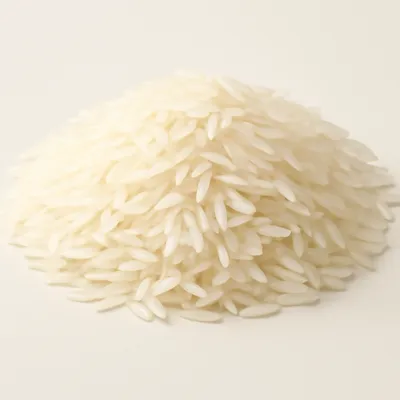
Soak rice and grind into a smooth batter with coconut milk, yeast, and sugar.
- 2480 min
Allow the batter to ferment overnight.
Watch outReady batter looks airy and bubbled and has grown in volume — flat, tight batter needs more time.
- 35 min
Heat a non-stick appam pan and pour a ladle of batter.
- 45 min
Swirl to spread and form a lace edge.
Watch outSwirl once, quickly — the batter should film the sides thin and settle thick in the middle before it sets.
- 55 min
Cover and cook until the center is fluffy and edges are crisp.
Watch outDone when the center is set and spongy and the lace rim lifts crisp and clean off the pan.