
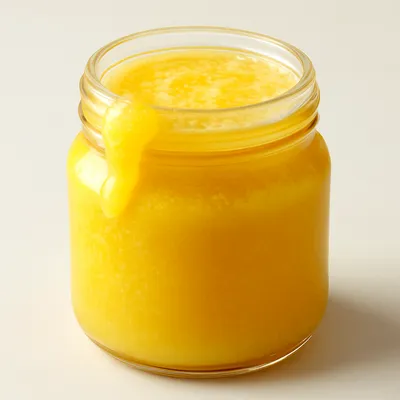
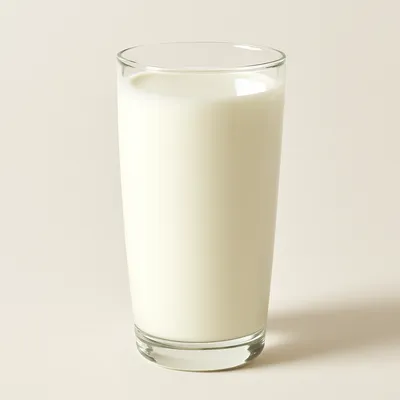
A many-layered Lucknowi flatbread whose name comes from warq, the Awadhi word for leaf or layer. A soft maida dough enriched with ghee, milk, and a little sugar is rolled paper-thin, brushed with ghee, folded and rolled again and again with rests between, so that it bakes up into countless fine, flaking sheets. Softer and finer than a laccha paratha, it is cooked on a flat tawa and served with the rich kewra-scented kormas and kebabs of the nawabi table.



Warqi paratha is a hallmark of Awadhi bread-making from the nawabi era at Lucknow, where it is also called Lakhnawi paratha; its layered technique sits in the wider Mughal-influenced repertoire of enriched, folded breads. The point of the bread was always its pairing: the fine, ghee-laced layers were built to carry the delicate white kormas and melt-in-mouth kebabs the Lucknow kitchens were known for. No single inventor is recorded — it is a craft tradition of the city's khansamas (cooks) rather than the dish of one nawab.
Golden and freckled on the surface, it pulls apart into dozens of thin, shattering leaves that shed a little flake as you tear. The ghee and milk give a faint richness and a whisper of sweetness; the crumb is tender, not crisp-hard like a parotta. Steam rises from inside when you open it. Wrapped around a galouti kebab or dragged through white korma, it sops gravy without going soggy. Layers that fuse into bread, not leaves, mean the dough rested too little or was rolled too thick.
Lamination is the whole craft. Brushing ghee between thin sheets of dough creates fat barriers; when the bread hits the hot tawa, water in the dough turns to steam and pushes the fat-separated sheets apart, setting them as discrete leaves — the same principle as puff pastry, worked by hand. Maida's high gluten lets the dough roll translucently thin without tearing, and the milk and sugar aid browning. Crucially the dough must rest and cool between rolls so the gluten relaxes and the layers stay distinct rather than welding together.
Variations
Plain warqi is most common; some versions are lightly sweetened with sugar or tinted and perfumed with saffron (kesari warqi). It is distinct from laccha paratha, which is coiled rather than folded and comes out thicker and crisper, and from the gossamer rumali roti, which is a single unleavened sheet rather than a layered bread.
On the Palate
Where Warqi Paratha sits in the Indian flavor cloud
Ingredients
Serves 4How it's made
6 steps · 30 min
- 135 min
Knead maida with ghee, warm milk, a little sugar and salt into a soft, smooth dough; cover and rest at least 30 minutes.
- 24 min
Divide, roll one ball out as thin as possible into a large round.
- 33 min
Brush the whole surface generously with melted ghee and dust lightly with flour.
- 415 min
Pleat the sheet into a long fan, then coil or fold it tightly into a layered ball; rest 10–15 minutes so the gluten relaxes.
Watch outPleat, coil and then rest the layered ball before rolling — the gluten has to relax or the leaves weld together instead of staying distinct.
- 54 min
Gently roll the layered ball back out into a round, taking care not to press the layers flat.
- 69 min
Cook on a medium-hot flat tawa, brushing with ghee, until both sides are golden with crisp flecks; press the edges lightly so the leaves puff, then clap between the palms to loosen the layers before serving.
Watch outRoll it back out gently, never pressing the layers flat — then clap it between your palms after cooking so the leaves spring loose and flaky.
Archive tool suggestions — not reviewed
These legacy suggestions have not been evidence-reviewed and are not presented as required tools.


