A Belgian enriched bread studded with raisins, falling between brioche and a standard loaf in richness; eaten sliced at breakfast with butter or jam across Flanders, Wallonia, and Brussels.






The word's earliest ancestor appeared in 1257 in Nivelles, recorded in abbey accounts as a measure of flour or bread. The modern name first appeared in print in 1831 in a Brussels publication. Writer Léon Daudet described it in 1930 as 'an intermediate between brioche and bread,' best enjoyed with hot chocolate and milky coffee.
Pillowy crumb dotted with plump raisins; subtly sweet with a light eggy richness; best warm, sliced thick and spread with cold butter.
Long kneading develops gluten networks; butter and eggs coat gluten strands, shortening them to produce a tender crumb. Yeast fermentation generates CO₂ bubbles; sugar in the dough slows gluten development further. During baking, Maillard browning at 150–165°C forms a golden crust while the internal temperature reaches 88–93°C, setting protein and starch structure. Raisins release moisture during baking, creating soft, sweet pockets throughout the crumb.
Variations
Craquelin (pearl sugar version); cramique au chocolat (chocolate chip variant); some recipes enrich the dough further with orange peel or vanilla.
On the Palate
Where Cramique (Belgian) sits in the Belgian flavor cloud
Ingredients
Serves 8
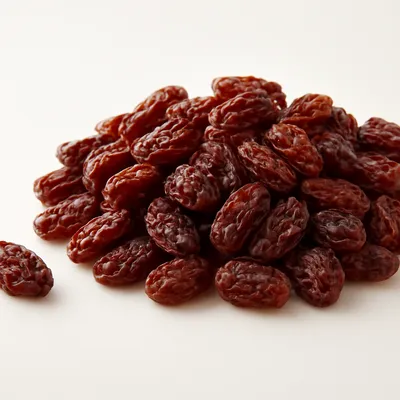
How it's made
7 steps · 20 min
- 110 min
Warm milk to 35°C; dissolve yeast with a pinch of sugar; let stand 10 minutes until foamy.
- 210 min
Combine flour, sugar, and salt in a large bowl; add eggs and yeast mixture; mix until a shaggy dough forms.
- 315 min
Knead dough for 10–12 minutes until smooth and elastic; gradually incorporate softened butter, kneading until fully absorbed.
Watch outAdd the butter only once the dough is smooth and pulls off the bowl; add it too soon and the fat coats the flour and the gluten never builds — the dough should turn glossy and tacky, not greasy.
- 490 min
Fold in raisins; shape dough into a ball; cover with a cloth and let rise at room temperature until doubled, about 1.5 hours.
Watch outThe first rise is done when the dough has doubled and a finger poked in leaves a dent that fills back only slowly — under-proofed dough springs right back.
- 545 min
Punch down dough; shape into an oval loaf; place in a buttered loaf tin; cover and proof for 45 minutes.
- 635 min
Brush top with egg wash; bake at 180°C for 30–35 minutes until deep golden brown.
Watch outPull it at a deep even gold; tap the base and it should sound hollow, and the centre should read about ninety degrees if you check with a thermometer.
- 720 min
Transfer to a wire rack; cool at least 20 minutes before slicing.
Archive tool suggestions — not reviewed
These legacy suggestions have not been evidence-reviewed and are not presented as required tools.

