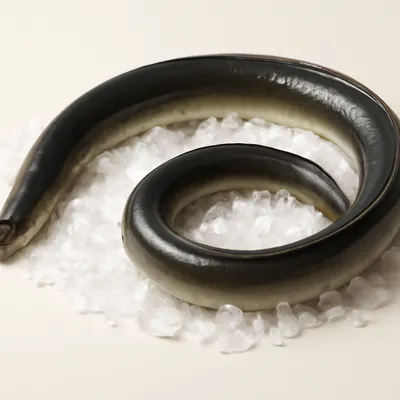



The dish originates in the Flemish communities along the Scheldt (Schelde) river valley between Dendermonde and Antwerp, where freshwater eel was once plentiful in the river's reed beds and side channels. Recorded in Flemish culinary literature by the 19th century, the preparation reflects the Scheldt communities' long dependence on river resources. According to several culinary historians, the 1910 Brussels World Exhibition brought the dish to wider national attention when Brussels restaurants showcased regional Belgian cooking; it was subsequently taken up by Brussels kitchens as a city staple. Today wild Scheldt eel is scarce due to pollution and the European eel's endangered status, and restaurants typically use farmed or imported wild eel.
Silky, richly flavored eel yields a slightly gelatinous mouthfeel; the vivid herb sauce—bracingly fresh from sorrel's acidity, warm from sage and tarragon—cuts cleanly through the fat, giving each bite a green vitality that seems to rise straight from the riverbank.
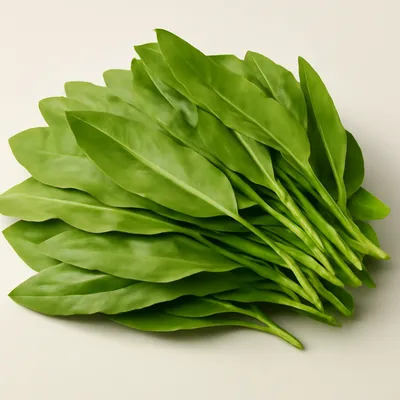
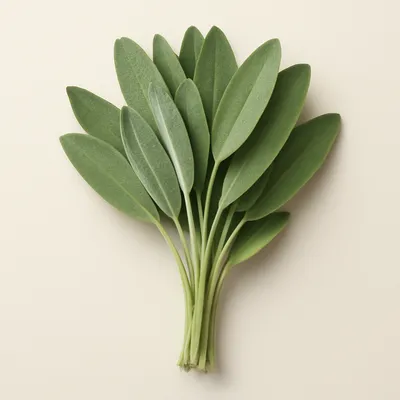
Eel flesh is rich in intramuscular fat and collagen; stewing at 85–90°C begins converting collagen to gelatin, giving the sauce body and the flesh its silky texture. Beyond about 10 minutes the collagen fully liquefies, causing the muscle fibers to lose structural support and disintegrate—hence the strict timing. Herbs are added late and the heat reduced quickly to preserve chlorophyll (which degrades above 75°C under sustained heat) and volatile aromatic compounds. Sorrel's oxalic acid provides natural tartness that emulsifies the finishing butter and brightens the herb broth.
Variations
Traditionalists use no spinach—colour comes from the fresh herbs alone; modern versions often add spinach for a more stable green. Some recipes incorporate a splash of Belgian blond ale or dry white wine. A cold version also exists: the dish is chilled overnight until the gelatinised cooking liquid sets into a herb jelly, once sold by Brussels charcuteries.
On the Palate
Where Anguille au vert sits in the Belgian flavor cloud
Ingredients
Serves 4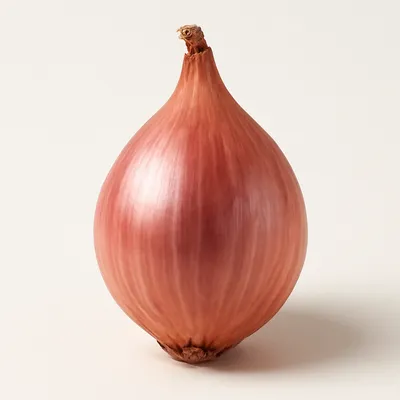


How it's made
7 steps · 35 min
- 18 min
Clean and skin the eel; cut into 4–5 cm pieces; rinse thoroughly and pat dry.
- 27 min
Finely chop all herbs (sorrel, chervil, parsley, tarragon, sage, mint, nettle, watercress); mince the shallots.
- 33 min
Melt butter in a wide saucepan over medium heat; gently sauté the shallots until soft and translucent, about 3 minutes.
- 42 min
Add eel pieces; sauté gently for 2 minutes to firm the exterior slightly without browning.
- 58 min
Pour in fish stock and white wine; bring to a gentle simmer; cook 6–8 minutes until the eel flesh pulls easily from the bone.
Watch outSimmer the eel just six to eight minutes, until the flesh pulls easily from the bone — past ten and the collagen liquefies and the pieces fall apart.
- 62 min
Add the chopped herb mixture; stir to combine; simmer 2 minutes more—do not boil hard to preserve colour and aroma.
Watch outAdd the herbs last and keep it under a hard boil — a gentle finish preserves the bright green and fresh aroma; a rolling boil turns the sauce drab and flat.
- 73 min
Adjust seasoning with salt, pepper, and a squeeze of lemon juice; serve immediately with crusty bread or frites.


