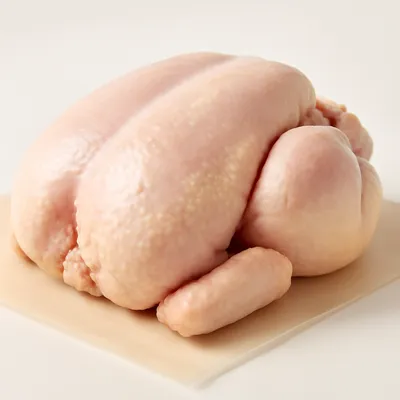


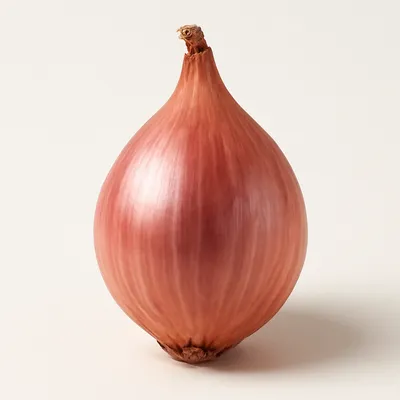


A farmhouse dish with roots across the Flemish-Wallonian border, coq à la bière marries Belgium's abundant poultry tradition with its world-class brewing culture. The core method — browning a rooster with smoked lardons, coating with flour, then braising long and slow in local beer with a bouquet garni — is documented in both Flemish and Wallonian recipe collections, and its reach extends into France's Nord-Pas-de-Calais. A celebrated abbey variant uses Maredsous, an abbey (not Trappist) dark ale tied to the Benedictine abbey founded in 1872 near Namur; the abbey has licensed its name since 1963 to the Duvel Moortgat brewery, which brews the beer whose caramel-malt depth contributes sweet-bitter body. The traditional enrichment step of adding chicken livers and raw ham near the end deepens and rounds the braising sauce.
Tender, fall-off-the-bone rooster meat soaked in a deep amber sauce that is malty, faintly bitter, and rounded by cream — the smokiness of lardons threading through every bite.
Prolonged braising at 85–95°C for 2–4 hours converts the rooster's abundant connective tissue collagen into gelatin, yielding tender, pull-apart meat and giving the braising liquid body and gloss. Beer's alpha acids contribute bitterness balanced by the caramelized fond from the initial sear, residual beer sugars, and optional cream. Chicken livers added late provide heme iron and amino acids that deepen the sauce's color and savoriness through additional Maillard-type reactions.
Variations
The Maredsous version uses the abbey's Trappist dark beer for extra caramel depth; a pale ale or Belgian witbier gives a lighter, more citrusy braise; some Flemish cooks add juniper berries for a subtle resinous note.
On the Palate
Where Coq a la biere sits in the Belgian flavor cloud
Ingredients
Serves 6


How it's made
7 steps · 20 min
- 18 min
Pat rooster pieces dry with paper towels and season generously with salt and pepper. Heat a large heavy pot over medium-high heat. Add smoked lardons and cook until rendered and crisp; remove with a slotted spoon and set aside, leaving the fat in the pot.
- 210 min
In the rendered fat, brown rooster pieces in batches until golden on all sides, about 8–10 minutes per batch. Avoid crowding the pot. Remove and reserve.
Watch outBrown the rooster in unhurried batches until deep golden all over — that crusty fond is the base of the sauce, and crowding the pan steams it grey instead.
- 35 min
Reduce heat to medium. Add sliced shallots and garlic to the same pot; cook, stirring, until softened and lightly golden, about 4 minutes.
- 45 min
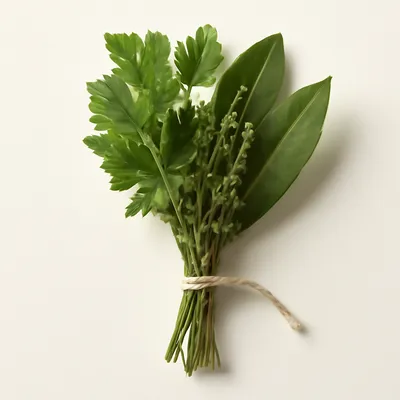
Return rooster and lardons to the pot. Sprinkle with flour and stir to coat all pieces evenly. Pour in Belgian abbey beer to just cover, add the bouquet garni of bay leaves and thyme, and bring to a gentle boil.
- 5150 min
Reduce to the lowest simmer, cover, and braise for 2–4 hours until the meat is falling off the bone and the sauce has reduced and thickened.
Watch outBraise at the barest simmer until the meat pulls off the bone and the sauce has reduced glossy — a rooster is tough and needs the full hours; boiling hard only toughens it.
- 620 min
Add sliced mushrooms, diced chicken livers, and diced raw ham. Cook uncovered for 20 minutes to enrich the sauce; taste and adjust seasoning.
- 75 min
Remove the bouquet garni. Stir in fresh cream if using. Serve in deep bowls alongside Belgian frites or boiled potatoes.
Watch outStir the cream in off the boil at the end — let it boil hard now and the sauce can split and go grainy instead of silky.


