Pork cheeks slow-braised in dark Belgian abbey or oud bruin beer with onions, carrots, and mustard until the collagen-rich muscle dissolves into fork-tender, glossy morsels; a heartland Flemish comfort dish served with Belgian fries or stoemp.






Pork cheeks were historically the butcher's offcut, prized in Flemish farmhouse cooking for their dense connective tissue that renders into rich gelatin during long cooking. The tradition of braising tougher cuts in locally brewed dark beer—abbey doubles (dubbel) and oud bruin—is rooted in Flemish household economy stretching back centuries, when abbey-style ales were plentiful and brewing was integral to monastic life. Today the dish is a beloved grandmother's recipe passed down through generations, confirmed as an enduring classic by VRT's Dagelijkse kost and receptenvanbomma.be, and served at Sunday lunches and holiday tables across Flanders.
Deep malt sweetness cut by bitter hops, silky-rich meat that melts on the tongue, with a glossy sauce carrying faint notes of thyme, warm spice, and mustard heat.
Pork cheeks are exceptionally rich in type-I collagen—the dense connective tissue of a constantly working jaw muscle. Extended braising at 160–170℃ for two-plus hours hydrolyzes the triple-helix collagen strands into gelatin (hydroxyproline-rich peptides), creating the dish's signature silky mouth-feel and glossy sauce. Dark beer contributes Maillard-derived melanoidins—polymers formed during malting—that deepen color and add roasted bitterness to balance the meat's natural sweetness. Initial searing at high heat generates a Maillard crust on the meat surface, building flavor compounds that migrate into the braising liquid.
Variations
Some recipes add dried apricots or prunes for sweetness; winter versions incorporate celeriac or parsnip; a Liège variant substitutes apple-pear syrup (sirop de Liège) for beer; the classic sides are Belgian frites or stoemp (mashed potatoes with vegetables).
On the Palate
Where Varkenswangetjes in bruin bier sits in the Belgian flavor cloud
Ingredients
Serves 4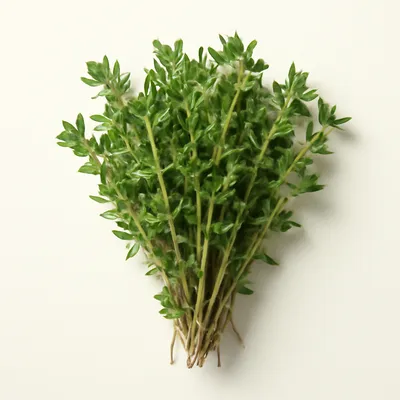



How it's made
6 steps · 15 min
- 15 min
Pat pork cheeks dry with kitchen paper; season with salt and pepper; dust lightly with flour.
- 212 min
Melt butter with a little oil in a Dutch oven over high heat; sear cheeks in batches until deeply golden on all sides, about 8 minutes per batch; remove and set aside.
Watch outSear the floured cheeks in batches until deeply golden on all sides — this crust is where the sauce gets its colour and depth, so don't crowd them pale.
- 38 min
In the same pot over medium heat, sauté diced onions and garlic until soft and golden, about 6 minutes; deglaze with dark Belgian beer, scraping up all browned bits.
- 45 min
Return pork cheeks to the pot; add Dijon mustard, thyme sprigs, and bay leaves; add enough beer or beef stock to come three-quarters up the meat; bring to a gentle simmer.
- 5150 min
Cover with a tight-fitting lid and braise in a 165℃ oven—or on the stovetop over the lowest heat—for 2 to 2.5 hours until the meat yields easily to a fork.
Watch outIt's done only when the meat yields and falls apart at a fork's nudge — cheeks are pure working muscle and need the full couple of hours to turn silky.
- 610 min
Transfer cheeks to a warm platter; if the braising liquid is thin, reduce on the stovetop until glossy; spoon over the cheeks and serve with Belgian frites or stoemp.

