A Flemish roulade of seasoned minced pork or veal wrapped in a thin slice of beef or veal, tied, seared golden, and gently braised in stock; known in Flanders as the headless bird, it is one of Belgium's most enduring and homely dinner classics.

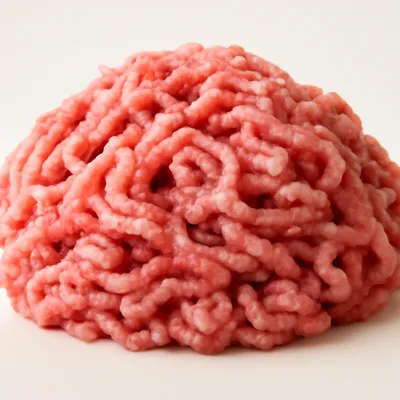



The paupiette technique is documented in French culinary texts as early as 1742 (La Nouvelle Cuisine, vol. 3, p. 83), and mid-18th century Belgian publications already described the 'bird without a head' cooked in beer or Madeira. In Flemish butcheries, the blinde vink evolved as one of the earliest pre-assembled meat products: the butcher formed and tied the roll, households purchased it ready-made, and every drop of cooking fat was poured over the accompanying potatoes—waste being unthinkable in the frugal Flemish kitchen. The Flemish name 'blinde vink' (blind finch) remains etymologically unexplained, but the dish's role as a defining weeknight staple is confirmed by both the Dutch Wikipedia entry and generations of Flemish cookbooks.
Tender outer meat giving way to a juicy, herb-seasoned filling; the braising sauce absorbed into every layer delivers savory depth with gentle warmth.
The thin outer meat layer acts as a moisture barrier during braising: it holds the filling compact while reducing evaporative water loss, so the interior reaches a gently steamed consistency. Initial Maillard browning of the roll surface forms pyrazines and furanones that migrate into the braising liquid, building sauce complexity. The roll's compact, tied shape ensures even heat conduction from surface to core during the 40–50 minute braise; a final rest allows residual heat to equalize internal temperature without overcooking.
Variations
Slavink wraps the filling in bacon instead of veal; some Flemish versions enrich the filling with egg yolk, parsley, and nutmeg; a Spanish-inspired modern variant stuffs with chorizo, roasted peppers, and olives; served classically with mashed potatoes or stoemp, or with pasta in contemporary kitchens.
On the Palate
Where Blinde vink sits in the Belgian flavor cloud
Ingredients
Serves 4


How it's made
7 steps · 20 min
- 18 min
Combine minced pork or veal with egg yolk, breadcrumbs, finely chopped parsley, a pinch of nutmeg, salt, and pepper; mix until just cohesive.
- 25 min
Lay each beef or veal escalope between two sheets of plastic wrap and pound with a mallet to an even thickness of about 4–5 mm.
- 38 min
Place a portion of the filling along the center of each escalope; roll tightly into a neat cylinder and tie with kitchen twine at two points.
Watch outRoll each escalope tight and tie firmly — a loose roll unravels in the braise and the filling spills out.
- 48 min
Heat butter in a wide, heavy pan over medium-high heat; sear the rolls on all sides until deep golden-brown, about 6–8 minutes total; remove and set aside.
Watch outSear the rolls deep golden-brown on all sides — those browned surfaces migrate into the braising liquid and build the sauce's depth.
- 55 min
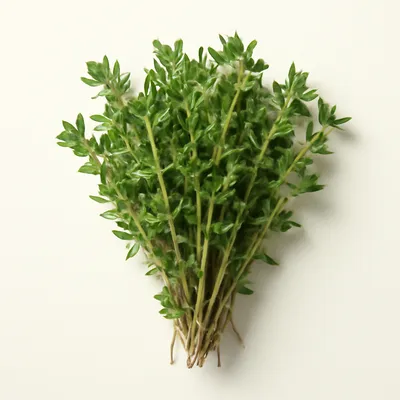
Add diced onion and garlic to the pan; cook until softened; deglaze with a splash of stock or white wine, scraping up browned bits; add thyme and bay leaf.
- 650 min
Return the rolls to the pan; add enough stock to come halfway up the rolls; cover and simmer over low heat for 40–50 minutes, turning once halfway through.
- 75 min
Remove the twine; slice each roll diagonally into two or three pieces; plate with the braising juices spooned over; serve with mashed potatoes or seasonal vegetables.


