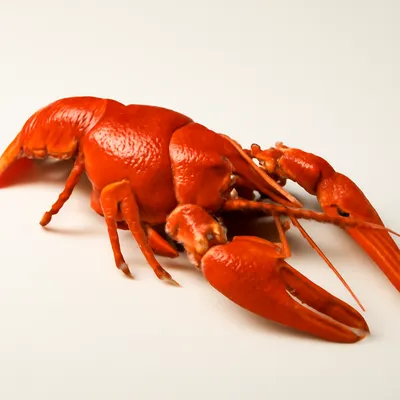
A classic French chicken sauté in which jointed chicken is browned and braised with tomato, mushrooms, garlic, white wine and brandy. In its full traditional form it is garnished with crayfish, a fried egg, and croutons or heart-shaped fried bread. The dish is tied by legend to Napoleon's victory at the Battle of Marengo in 1800. It survives today mostly as the tomato-and-mushroom chicken braise, with the crayfish and egg now optional flourishes.



The dish is named after the Battle of Marengo (14 June 1800) in Piedmont, where Napoleon defeated the Austrians. The popular story holds that his chef Dunand cobbled the dish together from whatever the foragers could find on the battlefield — chicken, eggs, tomatoes, crayfish from a stream, plus garlic and the general's brandy. This is almost certainly later legend: tomatoes were not yet common in northern Italian cooking, and the tale only appears in print decades afterward. What is documented is that a 'poulet à la Marengo' entered the French restaurant repertoire in the 19th century and was later codified by Escoffier. The crayfish-and-egg garnish, however odd, is the historical signature.
Golden-brown chicken pieces in a glossy tomato sauce flecked with mushrooms and garlic, the brandy giving a warm undertone. In the full version a crayfish perches on top and a crisp-edged fried egg slides off the rim, its yolk loose enough to mingle with the sauce. Triangles of fried bread soak up the rest. It should taste of browned chicken and reduced tomato, the wine and brandy folded in, not raw.
This is a fricassée-style braise built on a fond: the chicken is browned hard to develop Maillard color, then the same pan is deglazed with wine and brandy so the caramelized residue dissolves into the sauce. Tomato supplies acidity and pectin that lightly bodies the braise; the mushrooms are sautéed separately and added late to keep texture. The fried egg and crayfish are not cooked into the sauce — they are last-second garnishes assembled at plating, the historical 'tour de force' of foraged abundance.
Variations
The pared-down modern bistro version drops the crayfish and egg entirely, serving simply chicken in tomato-mushroom sauce. 'Veal Marengo' (sauté de veau Marengo) applies the same method to veal shoulder and is now arguably more common in France than the chicken. Some cooks add olives or a splash of cream.
On the Palate
Where Poulet Marengo sits in the French flavor cloud
Ingredients
Serves 4


How it's made
7 steps · 50 min active + 20 min waiting
- 112 min
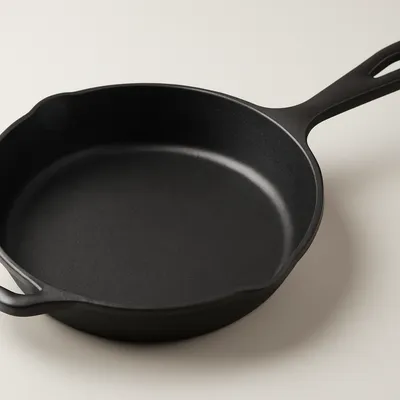
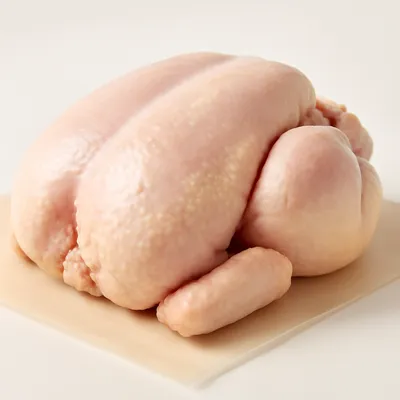
Joint the chicken into 8 pieces, season, and brown well in oil and butter until deep golden; remove.
Watch outBrown the chicken hard to deep golden before removing — that Maillard fond stuck to the pan is the flavor base for the whole sauce.
- 25 min
Soften chopped onion and garlic in the pan; stir in a spoon of flour to bind.
- 36 min
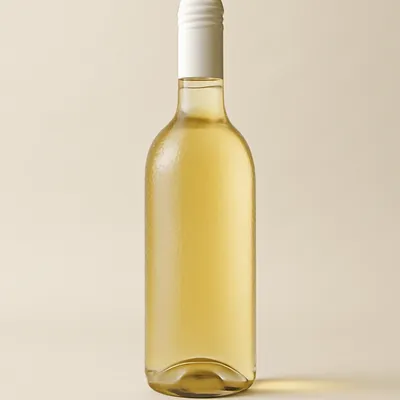
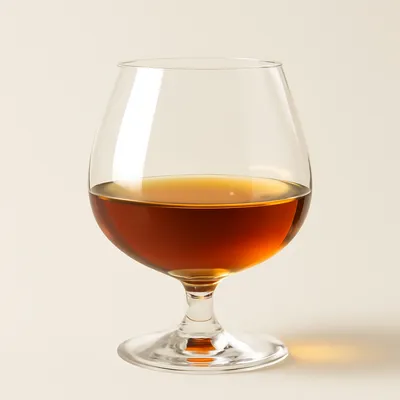
Deglaze with white wine and brandy, scraping up the fond; add chopped tomato, stock and a bouquet garni.
Watch outDeglaze with wine and brandy, scraping up every bit of the fond — those caramelized bits are what give the braise its depth.
- 440 min
Return the chicken, cover, and braise gently 35–40 minutes until tender.
- 510 min
Sauté the mushrooms separately in butter and add for the last 10 minutes.
- 68 min
Just before serving, fry one egg per person and, traditionally, poach or sauté a crayfish.
- 75 min
Plate the chicken in its sauce, top with the fried egg and crayfish, and tuck triangles of fried bread alongside.
Archive tool suggestions — not reviewed
These legacy suggestions have not been evidence-reviewed and are not presented as required tools.