A classic French chicken dish, sauteed with tomatoes, garlic, onions, mushrooms, and classically garnished with crayfish and a fried egg. Named for the Battle of Marengo of the fourteenth of June 1800, in which Napoleon defeated the Austrians; the popular legend credits his chef Dunand with improvising the dish from battlefield forage.
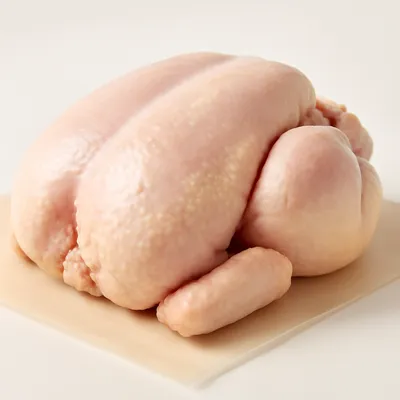

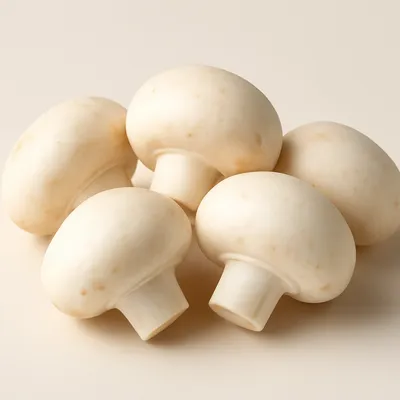


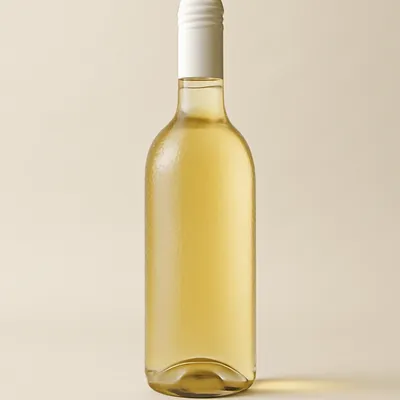
Chicken Marengo — poulet saute Marengo — is a French dish named for the Battle of Marengo, fought on the fourteenth of June 1800 near Alessandria, in Piedmont, in which Napoleon Bonaparte defeated the Austrian army. The popular legend credits his chef Dunand with improvising the dish after the victory, foraging for chickens, tomatoes, eggs, and crayfish from the surrounding countryside because the supply wagons had not yet arrived. Most culinary historians regard the story as apocryphal or heavily embellished: the specific combination — with its fried egg, its crayfish, and its use of tomatoes, which were still a novelty in French cooking at the time — reads more like a later romantic construction than a field-kitchen improvisation. Nineteenth-century cookbook recipes vary considerably. The dish, however named, became a classic of the French repertoire and remains strongly associated with Napoleon's legend.
Chicken Marengo arrives as sauteed chicken pieces in a glossy, tomato-based sauce with mushrooms and onions, garnished — classically — with a fried egg and a crayfish or two. The sauce is savory and slightly tangy from the tomatoes, with a depth from the browned chicken; the fried egg and crayfish are eccentric garnishes that mark the dish's battlefield-legend origin. Eaten hot, with bread to mop the sauce.
Chicken Marengo rests on pan-frying and a tomato-based pan sauce. Chicken pieces are seasoned, dredged in flour, and pan-fried to develop Maillard browning; the fond — the browned juices left in the pan — becomes the foundation of the sauce. Tomatoes, an acidic New-World ingredient novel to early-nineteenth-century French cooking, are sweated with garlic, onions, and mushrooms; deglazed with white wine or brandy, the whole reduces into a savory, slightly tangy sauce that coats the chicken. The eccentric garnishes — a fried egg and crayfish — are the elements the legend attributes to battlefield forage; in modern practice they are often omitted, leaving the chicken-in-tomato-and-mushroom core.
Variations
Modern versions often omit the fried egg and crayfish; the chicken-tomato-mushroom-onion base is the constant that defines the dish, regardless of garnish.
On the Palate
Where Chicken Marengo sits in the French flavor cloud
Ingredients
Serves 4

How it's made
6 steps · 30 min
- 110 min
Season chicken pieces, dredge lightly in flour, and pan-fry in oil and butter until golden; remove.
Watch outDredge lightly in flour and pan-fry the chicken to real golden — that browning and the fond it leaves in the pan are the whole foundation of the sauce; pale chicken means a weak sauce.
- 28 min
Soften sliced onions and garlic in the same pan; add mushrooms and cook through.
- 38 min
Add chopped tomatoes, white wine or brandy, and a little stock; deglaze the fond.
Watch outAdd the wine or brandy and scrape up all the browned fond — that dissolved crust is where the depth lives; leave it stuck to the pan and you lose the flavour.
- 430 min
Return the chicken, cover, and simmer gently until cooked through and the sauce has thickened.
- 58 min
If using the classic garnish, fry eggs sunny-side up and warm a few cooked crayfish.
- 65 min
Serve the chicken in its sauce, garnished with the fried egg and crayfish if using.


