
Namibia's seasonal delicacy — giant termite-mound mushrooms (Termitomyces schimperi, called omajova in Otjiherero) that grow only on the tops of termite mounds in the brief rainy season. A single cap can reach 30 cm across. Pan-fried with butter, onion, garlic, and a sprinkle of salt — the simple preparation lets the meaty umami flavor speak. Eaten with mahangu porridge during the 6-week omajova season (January-February).
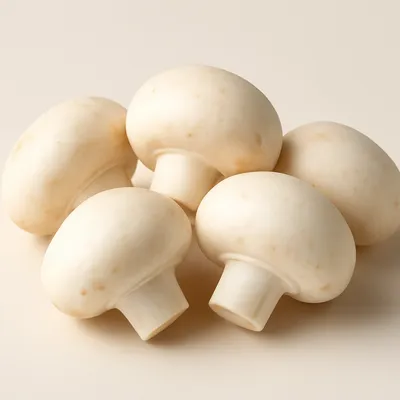



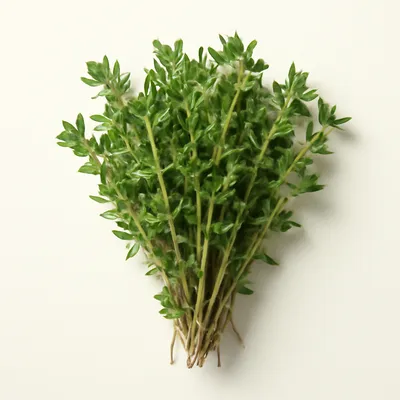
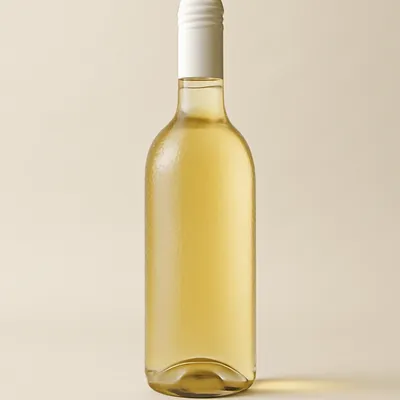
Omajova are mycorrhizal fungi that grow exclusively on Macrotermes termite mounds in cooperation with the termites' fungus gardens — a biological wonder. The mushrooms appear after the first heavy rains (December-January) and last 6 weeks. Across northern Namibia, women and children walk for hours in the early morning to harvest omajova from known termite mounds, returning with caps the size of dinner plates. The mushrooms are so revered that families have inherited mound-locations passed down for generations. Modern Windhoek restaurants source omajova during the season and feature them as the headline ingredient on tasting menus. Pan-frying with butter is the universal preparation.
Lift a forkful of omajova mushroom — meaty slabs darkened to chestnut-brown by the sear, butter glistening, onion-and-garlic-flecked. Bite: the texture is unmistakably meaty (more so than any other mushroom), the umami is deep and savory like reduced beef stock, butter coats, garlic and thyme accent. With mahangu porridge to soak up the buttery juices, this is the Namibian seasonal hunt's edible reward.
Omajova mushrooms have an exceptionally meaty texture and high concentration of glutamate, GMP, and IMP — the same umami compounds in beef stock. Searing at high heat triggers the Maillard reaction in the mushroom's sugars and amino acids, creating the chestnut-colored, savory-deep crust. Butter is critical: its milk solids brown alongside the mushroom, adding nutty depth, while the fat conducts heat evenly. Don't crowd the pan — moisture released from too many mushrooms steams them instead of searing.
Variations
Cream-sauce omajova adds 150 ml heavy cream after searing for a richer dish — Windhoek-restaurant style. Garlic-and-herb omajova omits onion and uses extra garlic + thyme + rosemary. Omajova-on-toast serves the mushrooms over thick-sliced brown bread, brunch-style. Omajova carpaccio (modern restaurant) shaves raw young omajova over olive oil, lemon, and parmesan — the daring version.
On the Palate
Where Omajova Mushrooms sits in the Namibian flavor cloud
Sear the mushrooms hard in butter in an uncrowded pan — high dry heat drives the Maillard browning that unlocks omajova's beef-like umami, and crowding just steams them grey.
Ingredients
Serves 4


How it's made
11 steps · 20 min active + 5 min waiting
- 14 min
Acquire 600 g fresh omajova mushrooms (or substitute giant portobello or king oyster mushrooms in non-season). Wipe clean with a damp cloth — do not wash with running water (they absorb).
Watch outWipe, don't wash — the mushroom should feel dry going into the pan or it will steam.
- 23 min
Slice the caps into 1-cm-thick slabs; cube the stems.
- 32 min
In a large heavy pan, melt 4 tbsp butter over medium-high heat. Add 1 tbsp olive oil to prevent burning.
- 45 min
When the butter foams, add 1 chopped onion; cook 5 min until soft.
- 51 min
Add 3 minced garlic cloves + a few thyme sprigs; cook 1 min.
- 62 min
Push the onion to one side. Add the mushroom slabs in a single layer in the empty side. Don't crowd — work in two batches if needed.
Watch outLay the slabs in a single uncrowded layer on the empty side of the pan — space is what lets them sear.
- 77 min
Sear the mushrooms undisturbed 3-4 min per side until deeply golden and slightly crisped at edges. Flip and sear the other side.
Watch outLeave them undisturbed until deeply golden and crisp-edged before flipping — moving them early kills the crust.
- 81 min
Once all mushrooms are seared, return everything to the pan together. Add 1 tsp salt + ½ tsp pepper. Toss.
- 92 min
Add a splash (50 ml) of dry white wine or sherry; cook 2 min for the alcohol to evaporate and create a pan sauce.
Watch outAdd the wine and let it bubble off about 2 minutes, scraping up the browned bits into a quick pan sauce.
- 101 min
Off heat, stir in 1 tbsp chopped parsley and a knob of cold butter for gloss.
- 111 min
Serve hot over mahangu porridge or with crusty bread to mop up the buttery juices.


