
Windhoek's street-grilled beef — thin strips of fresh beef rapidly seared on hot grills at the Single Quarters market and other open-air vendors, served with kapana spice (salt, chili, garlic powder, oregano), chakalaka relish, and a slice of brown bread. Eaten by hand, straight from the grill, with cold beer. The Namibian Friday-night street-food ritual.




Kapana is borrowed from the Oshiwambo (Ndonga dialect) word okapana, used for grilled/cooked meat sold on the street; the name relates to meat itself. (The claim that it means 'caught' in Otjiherero is unsupported.) It emerged in 1980s Windhoek as the urban street-food adaptation of rural braai culture. The Single Quarters market — built as apartheid-era bachelor contract-worker housing — became its epicenter, with dozens of vendors at open charcoal grills, each cutting beef from a whole carcass to order. The technique: thin strips (3-5 mm thick) grilled 60-90 seconds per side, sliced bite-size, tossed in kapana spice, served on butcher paper. It is meant to be eaten communally — buy a portion, share, repeat. Before independence (1990) kapana was working-class food; today it's the universal Windhoek Friday-night meal, eaten by everyone from cabinet ministers to taxi drivers.
Reach for a hot kapana cube from the wooden board — beef cube charred-crusty on outside, pink-rare-juicy inside, dusted with the salty-spicy-chili kapana mix. Bite: the char gives way to tender beef, the kapana spice hits with paprika-cayenne-garlic-oregano, juice bursts. Dip into chakalaka relish for sweet-spicy-vegetable contrast. Tear off a piece of brown bread, fold in a few more cubes. With cold Windhoek Lager, this is the Namibian Friday night.
Cutting AGAINST the grain (perpendicular to muscle fibers) shortens the fibers, making thin-cut beef tender despite the high heat. The 60-90 second grill at 280-320°C is critical — the goal is a dark-brown Maillard crust on the outside while keeping the inside pink-rare. Longer than 90 seconds and the thin strips overcook. Kapana spice is salt-forward to penetrate quickly; oil prevents sticking. Chakalaka's sweetness-from-carrot and curry-warmth balance the smoky-savory beef. The eat-hot-immediately principle is non-negotiable — kapana cools fast.
Variations
Kapana plate (sit-down version) adds rice and beans alongside the meat. Boerewors-kapana combines kapana with grilled boerewors sausage for variety. Liver kapana uses thinly-sliced beef liver — Single Quarters specialty. Mopane-worm-and-kapana combines the two iconic Namibian proteins. Catered-event version pre-cooks kapana 5 min before serving, less ideal but practical.
On the Palate
Where Kapana sits in the Namibian flavor cloud
Slice the beef thin AGAINST the grain and give each strip only 60-90 seconds a side on a smoking-hot grill — that shortens the fibers and builds a Maillard crust while the inside stays pink; over-cooked kapana is the one unforgivable mistake.
Ingredients
Serves 4



How it's made
10 steps · 30 min active + 15 min waiting
- 15 min
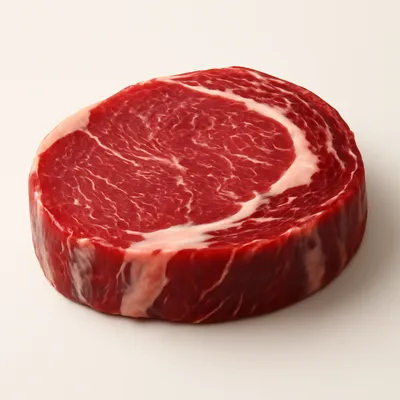
Acquire 800 g fresh beef (rump, sirloin, or skirt steak) — must be very fresh, never frozen.
- 210 min
Slice the beef AGAINST the grain into thin strips, 3-5 mm thick and 4-5 cm long. Pat dry with paper towels.
Watch outHold the strips up to the light — you should see the cut runs across the fibers, not along them.
- 34 min
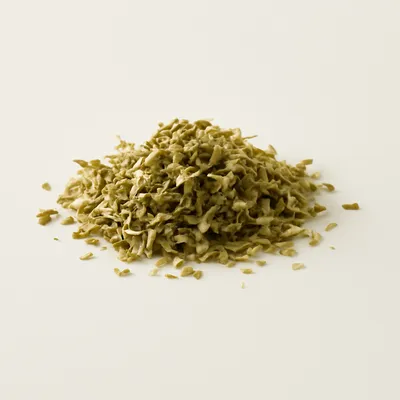
Make kapana spice mix: 2 tsp coarse sea salt + 1 tsp ground black pepper + 2 tsp paprika + 1 tsp cayenne (or to taste) + 1 tsp garlic powder + 1 tsp dried oregano + ½ tsp ground coriander. Stir.
- 419 min
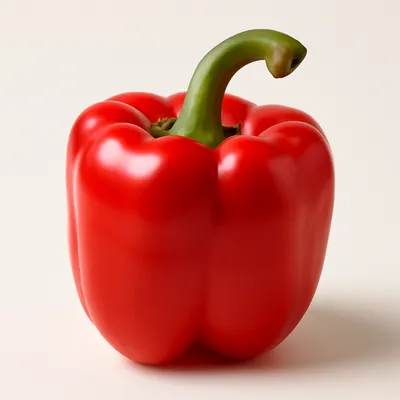
Make chakalaka relish: in a pan, sauté 1 chopped onion + 1 chopped bell pepper + 1 grated carrot in 1 tbsp oil for 8 min. Add 2 chopped tomatoes + 1 tsp curry powder + 1 minced chili + ½ tsp salt. Cook 8 min more until thick.
- 54 min
Light a hot charcoal grill or heat a grill pan over high heat until smoking-hot.
Watch outThe grate must be smoking-hot before the beef touches it, or the strips stew instead of searing.
- 63 min
Brush the beef strips lightly with sunflower oil; sprinkle generously with kapana spice on both sides.
- 73 min
Grill the strips in a single layer 60-90 seconds per side until char marks form and the meat is pink-rare inside (overcooked kapana is the cardinal sin).
Watch outDark char marks and a firm-but-springy strip mean it's done; a soft, wet-looking surface means keep it on.
- 82 min
Transfer to a wooden board. Cut across into bite-sized cubes.
- 92 min
Toss the cubes in any remaining kapana spice and a tiny drizzle of oil.
- 101 min
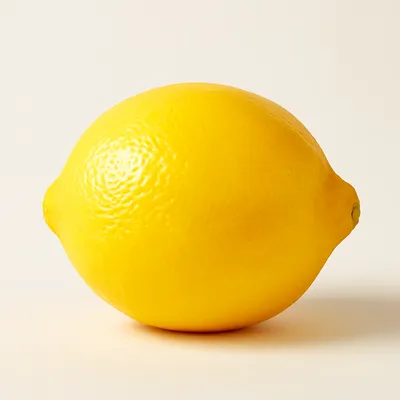
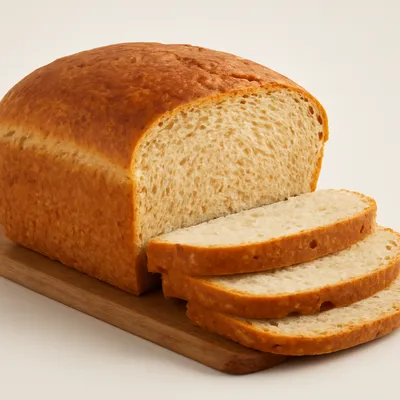
Serve directly on butcher paper or a wooden board, with chakalaka relish, slices of crusty brown bread, and lemon wedges. Eat with hands; drink cold Windhoek Lager.


