
Cubes of beef (or goat) marinated for hours in lemon juice, garlic, ginger, cumin, paprika, and oil — then threaded onto skewers and grilled fast over hot charcoal. The Tanzanian street-food meat snack, sold from sidewalk stalls in Dar-es-Salaam and Stone Town in the evening; eaten with kachumbari salad and chapati or wali wa nazi.
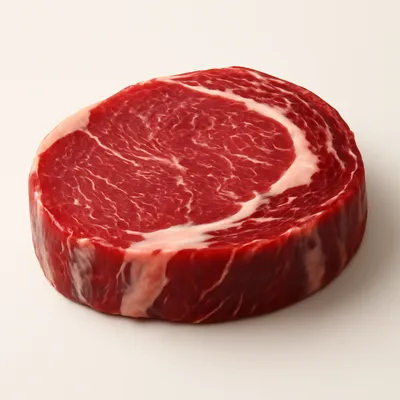



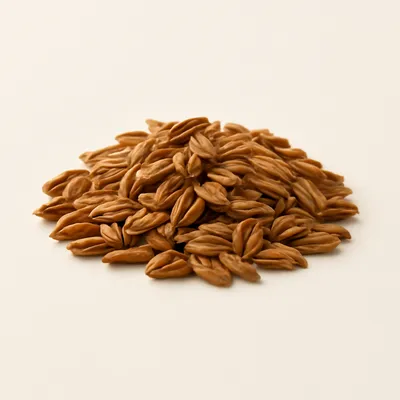

Mishkaki (singular: mishikaki) is Tanzania's evening-street-food meat snack — distinct from the slow-grilled celebration nyama choma. The dish appears at sundown stalls (vibanda) in coastal cities; stall owners marinate the meat all day, skewer cubes onto thin metal or bamboo sticks, and grill batches over small charcoal grills as customers order. The lemon-cumin marinade reflects Swahili-coastal Arab-Indian influence. Stone Town in Zanzibar has the most famous mishkaki street culture — at the harbor-side Forodhani Gardens night market, dozens of stalls sell mishkaki to locals and tourists every night.
Bite into a cube — outside is charred-spotted and crisp from the high-heat fire, inside is juicy-pink with the lemon-cumin-paprika marinade fully penetrated. Tender beef yields easily; goat is firmer and gamier. A pinch of kachumbari salad on the next bite cuts the smoky richness; a torn piece of chapati or coconut rice underneath catches any juice. The Tanzanian evening street-food at its most satisfying — meet friends, eat skewers, watch the sunset.
Long marination (4-8 hours) allows the lemon acid to penetrate the meat partially, tenderizing the surface while infusing the spice-and-oil layer. High-heat direct grilling is the structural opposite of low-and-slow nyama choma — fast char-and-cook through means the small cubes stay juicy inside. Basting with marinade during cooking adds another layer of flavor on the outside. Squeezing fresh lemon at the end brightens what would otherwise feel one-dimensionally rich.
Variations
Chicken mishkaki (mishkaki ya kuku) uses thigh meat — lighter weeknight version. Goat mishkaki is the more traditional rural choice. Coastal Mombasa version adds tamarind paste to the marinade. Indian-influenced Dar version adds garam masala. Modern beachfront restaurants serve mishkaki as a platter with multiple proteins (beef, chicken, goat) on shared skewers.
On the Palate
Where Mishkaki sits in the Tanzanian flavor cloud
Ingredients
Serves 4






How it's made
10 steps · 25 min active + 3 hours 35 min waiting
- 14 min
Cut 600 g beef sirloin or chuck (or goat shoulder) into 3-cm cubes. Cube needs to be uniform for even cooking.
- 25 min
Marinade: in a bowl, whisk together: juice of 2 lemons + 4 tbsp vegetable oil + 5 minced garlic cloves + 1 tbsp grated fresh ginger + 2 tsp ground cumin + 2 tsp paprika + 1 tsp ground coriander + 1 tsp salt + ½ tsp black pepper + ½ tsp cayenne (optional for heat).
- 3245 min
Add the meat cubes to the marinade. Toss to coat each cube thoroughly. Cover and refrigerate at least 4 hours, preferably 6-8 hours for deeper flavor.
Watch outGive it a full 6-8 hours in the fridge — a short soak only flavors the surface and the lemon won't reach in to tenderize.
- 432 min
If using bamboo skewers (about 20-cm long): soak in water 30 min before grilling to prevent burning. Metal skewers don't need soaking.
- 54 min
Thread 4-5 meat cubes onto each skewer with about 1 cm space between cubes. Save the marinade for basting.
- 68 min
Heat hardwood charcoal in a small grill until coals are gray-ashed and very hot. The grill should be intense heat — direct, fast cooking is the technique.
Watch outWait until the coals are gray-ashed and radiating hard heat — flames or black coals mean it's not ready and the meat will steam, not char.
- 710 min
Place skewers on the grill, very close to the hot coals. Grill 3 min on the first side. Turn; brush with marinade. Grill 3 min on the second side. Turn again; baste; cook 2 min. Total grilling time: about 8 min for medium-doneness. Meat should be charred-spotted on the outside, juicy inside.
Watch outPull the skewers when the outside is spotted with char but the cubes still feel springy — small cubes overcook fast and go dry the moment they firm up hard.
- 81 min
Lift skewers to a platter. Squeeze fresh lemon over.
- 96 min
Serve hot with: kachumbari salad (chopped tomato-onion-cilantro-chili), chapati or wali wa nazi (coconut rice), lime wedges. Pull the meat off the skewers with bread; or eat directly with hands.
- 101 min
Tanzanian street stalls serve them in newspaper or paper cones for take-away.


