
Green bananas (matoke) slow-simmered with beef chunks, onion, and tomato until the bananas dissolve into a thick golden porridge-soup with chunks of fall-apart meat throughout. The Chagga people's signature dish from the foothills of Kilimanjaro — a complete meal in one pot, deeply restorative and warming on a cool mountain evening.






Mtori is the cultural-identity dish of the Chagga people who live on the slopes of Mount Kilimanjaro in northern Tanzania. Green-banana cultivation (matoke or migomba) defines Chagga agriculture — bananas are the primary staple, not corn or rice. The dish has been cooked the same way for at least 500 years and is considered one of the world's oldest one-pot meal traditions. Mtori is the post-childbirth recovery food, the visiting-relative meal, and the cold-evening dinner. Modern Arusha and Moshi restaurants serve it; Chagga diaspora communities make it across Tanzania.
Spoon brings up a thick golden porridge-soup with chunks of fork-tender beef visible, threads of dissolved banana giving the broth its consistency. Each bite has the sweet earthiness of green banana, the depth of long-simmered beef, the slight curry warmth from the tomato base. Chagga grandmothers say mtori 'fills the body completely' — the dish is dense enough to be a complete meal. Eaten with a spoon, slowly, in a deep bowl.
Green bananas (not ripe) are essential — they contain 70-80% starch (vs ripe's ~25%) which is what dissolves into the broth and provides the natural thickening. Cooking beef first allows the broth to develop flavor; adding bananas to plain water would result in a flatter dish. Mashing some bananas late (while leaving others whole) creates both texture variety and structural thickness. The separate tomato-spice base preserves brightness; cooking spices in the broth alone would mute them.
Variations
Coconut mtori (more common in southern Tanzania) finishes with more coconut milk for richer Swahili coastal flavor. Goat mtori (mtori ya mbuzi) substitutes goat for beef — the Maasai-influenced version. Vegetarian mtori uses mushrooms and pumpkin for body. Modern Arusha-restaurant mtori sometimes adds a fried egg on top per bowl.
On the Palate
Where Mtori sits in the Tanzanian flavor cloud
Ingredients
Serves 6




How it's made
10 steps · 30 min active + 1 hour 30 min waiting
- 112 min
Peel 5 green bananas (matoke or green plantains as substitute — they should be very green and starchy, not ripe). The starchy sap can stain hands; oil or wear gloves. Cut bananas into 4-cm chunks.
- 212 min
Cut 600 g beef shoulder or shank into 4-cm chunks. Place in a large heavy pot with cold water to cover (about 2 L). Add 1 whole peeled onion, 2 bay leaves, 1 tbsp salt. Bring to boil, skim foam.
- 365 min
Reduce to bare simmer. Cover partially; simmer 60 min until beef is becoming tender.
- 428 min
Add the green banana chunks to the pot. Continue simmering 25-30 min until bananas are very soft and starting to dissolve into the broth.
Watch outThe bananas are ready when they're very soft and their edges start dissolving into the broth.
- 514 min
Meanwhile, in a separate small skillet: heat 3 tbsp vegetable oil over medium. Add 1 chopped onion (the second one); cook 5 min until soft. Add 2 chopped garlic, 1 tsp grated ginger, 2 chopped tomatoes, 1 tsp curry powder, 1 tsp salt, ½ tsp pepper. Cook 8 min until thick and reduced.
- 612 min
Add the cooked tomato-onion-spice mixture into the main mtori pot. Stir to combine. Simmer 10 min more.
- 75 min
Mash some of the banana chunks against the pot's side with the back of a spoon — this releases their starch and thickens the broth into the characteristic porridge consistency.
Watch outAs you mash bananas against the pot side, the broth visibly thickens and turns porridge-like.
- 85 min
Add 200 ml coconut milk (optional but traditional in some Chagga households). Stir; simmer 3 min more.
- 93 min
Taste; adjust salt. The mtori should be thick — not soup-thin, more like a porridge. If too thick, add hot water; if too thin, mash more banana.
Watch outAim for a thick porridge, not a thin soup — too thick, add hot water; too thin, mash more banana.
- 106 min
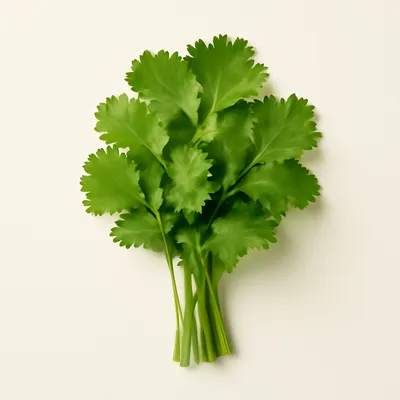
Garnish with 4 tbsp chopped fresh cilantro. Serve hot in deep bowls — a complete meal on its own. A side of cool yogurt or chopped raw onion is the traditional accompaniment.


