
Beninese one-pot rice-and-beans — long-grain rice and black-eyed peas (cowpeas) cooked together with palm oil, onion, tomato, and seasonings. Often served with fried fish, tomato sauce, or fried plantain. Eaten across Benin but most associated with the north (Bariba, Fulani heritage).





Watché (also called atassi) is one of Benin's most-eaten everyday dishes — a simple but satisfying rice-and-beans one-pot. The dish dates to the era when imported rice supplemented indigenous beans, and the one-pot technique reflects the practical economy of Bariba and northern Beninese kitchens. Modern Cotonou and Porto-Novo street vendors sell watché at lunch hour; restaurants offer it alongside fried fish or grilled meat.
Spoon up watché — golden-tinted rice (from the palm oil) studded with brown-purple black-eyed peas, flecked with tomato pieces and onion. Bite: the rice is fluffy and oil-glossy, the beans are tender with a subtle earthy-sweet bean flavor, the palm oil provides the characteristic West African base note, the scotch bonnet's gentle warmth builds. With fried fish for protein, a wedge of fried plantain for sweetness, and a few raw onion rings for crunch, this is the Beninese everyday lunch.
Cooking the beans separately ensures they're tender before adding to the rice; one-pot cooking from raw would result in mushy rice or hard beans. Toasting the rice briefly in the palm-oil-tomato mixture coats each grain with flavor before the water is added. Resting covered after cooking allows the steam to finish cooking the rice and absorb evenly.
Variations
Watché with crayfish or shrimp added. Vegetarian watché. With chicken pieces added during cooking. Modern Beninese restaurant version with coconut milk.
On the Palate
Where Watché sits in the Beninese flavor cloud
The trick to a clean rice-and-beans pot is cooking the beans tender first, then toasting the rinsed rice in the palm-oil-tomato base so every grain is coated before the water goes in — never start both from raw together.
Ingredients
Serves 6



How it's made
13 steps · 30 min active + 1 hour waiting
- 1480 min
Soak 250 g dried black-eyed peas (cowpeas) overnight (or use the quick-soak method: cover with boiling water for 1 hour).
- 222 min
Drain the beans. Place in a pot with fresh water; boil 20-25 min until tender but still holding shape. Drain.
Watch outBoil the beans just to tender but still holding shape — mushy beans will fall apart in the rice.
- 33 min
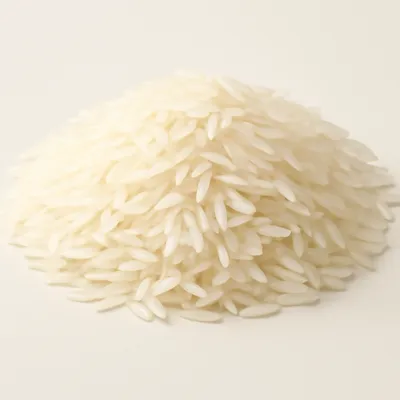
Rinse 400 g long-grain rice; drain.
- 43 min
In a large pot, heat 4 tbsp red palm oil over medium heat.
- 59 min
Add 1 large chopped onion; cook 8 min until soft.
- 62 min
Add 3 minced garlic cloves + 1 chopped scotch bonnet (seeded for milder); cook 1 min.
- 76 min
Add 2 chopped tomatoes + 1 tbsp tomato paste; cook 5 min.
- 81 min
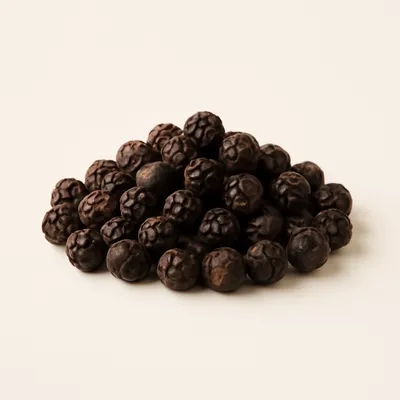
Add 1 tsp salt + 1 bouillon cube (Maggi) + 1/2 tsp ground black pepper; stir.
- 92 min
Add the cooked beans; stir to coat in the oil-tomato mixture.
- 104 min
Add the rinsed rice + 800 ml water (or stock). Stir once. Taste the water; adjust salt.
Watch outTaste the water before covering and get the salt right now — you can't season evenly once the rice locks in the steam.
- 1120 min
Bring to a boil; reduce to low heat. Cover tightly. Cook 18-20 min until rice is tender and water is absorbed.
- 129 min
Off heat. Rest covered 8 min. Fluff with a fork.
Watch outAfter it's off the heat, let it sit covered 8 min so the steam finishes the rice, then fluff with a fork.
- 135 min
Serve hot with: fried fish (Sauce Dahoméenne fish), fried plantain, raw chopped onion, optional spicy tomato salsa.


