


Beninese
Palm oil, akassa, and the Vodun homeland of jollof.
Kuli-Kuli
Beninese deep-fried peanut snack. Roasted peanuts are ground to a paste, oil is squeezed out, the remaining mass is shaped into balls, sticks, or rings and deep-fried in palm oil (or the squeezed peanut oil) until golden. Crisp outside, dense and nutty inside. A staple street snack and protein source across Benin, Nigeria, Niger, and Ghana. Source: Wikipedia (Kuli-kuli).
View page →Benin is the small West African coastal country wedged between Togo and Nigeria, with the Bight of Benin its southern edge and the Sahel its northern reach. Its cooking is the heartland of the Fon, Yoruba (Nago), and Mahi peoples — the same lineages that carried akara, jollof, and Vodun across the Atlantic to Bahia and Haiti. Three things define the Beninese kitchen: red palm oil, ground corn pâte (akassa), and the dried-shrimp-and-smoked-fish umami that thickens nearly every sauce. The signature is Sauce Dahoméenne — fish or chicken simmered in a deep-red tomato-palm-oil base spiked with scotch bonnet, ginger, garlic, and onion, ladled over akassa or rice. Watché, the golden palm-oil rice-and-beans, is the Cotonou and Porto-Novo street-food staple. In the Atakora north, the Peul (Fulani) make wagassi — a red-rinded fresh cow's-milk cheese curdled with calotropis sap, eaten grilled or simmered in sauce. The kuli-kuli peanut crisp travels along the Sahelian trade roads, and yovo doko (fried wheat doughnuts) sweetens every morning corner.
The Palate
Start Here
Defatted peanut paste seasoned with ginger and pepper, shaped into rings or small sticks, deep-fried in palm oil until deep-amber crisp. Dense, biscuit-hard, peanut-pure. Sold at every market from Cotonou north into Niger and Nigeria.
Why start here · Benin's signature peanut crisp and a Sahelian-wide trade snack. The clearest single bite into the West African groundnut tradition.
Fish (or chicken) simmered in a deep-red tomato and palm-oil base layered with scotch bonnet, ginger, garlic, onion, and a Fon-Yoruba dried-shrimp umami. Served over rice or akassa.
Why start here · Benin's national sauce. The southern Fon-Yoruba palm-oil-and-tomato tradition from which Bahian moqueca and Haitian sauces descend.
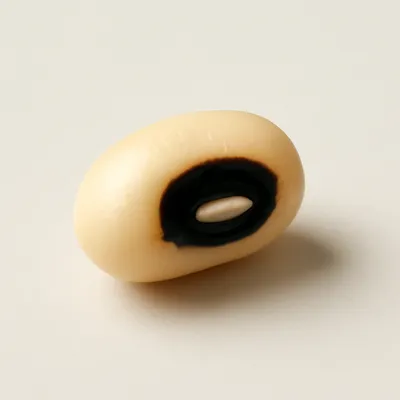
Black-eyed peas cooked with rice in a palm-oil-tomato base with onion, ginger, and scotch bonnet. The golden-orange one-pot, often served with fried plantain.
Why start here · The Cotonou and Porto-Novo street-food staple. A direct ancestor of Caribbean rice-and-peas.
The Pantry



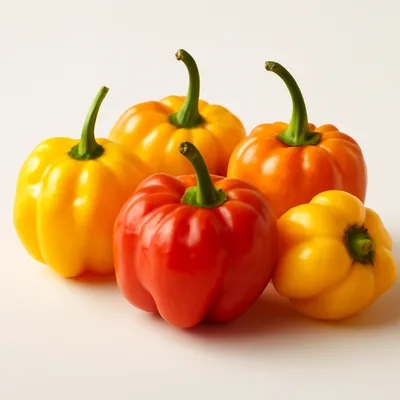

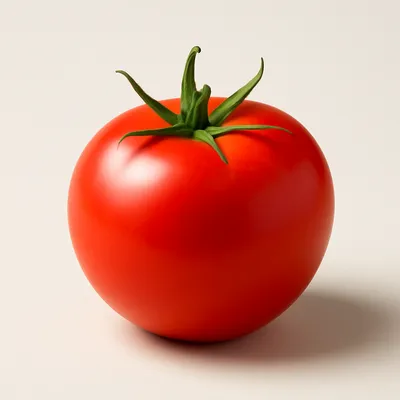


See all 27 ingredients›
Proteins

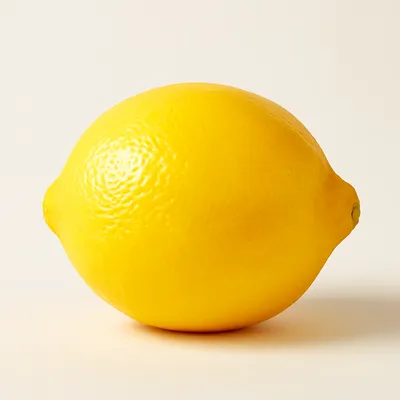
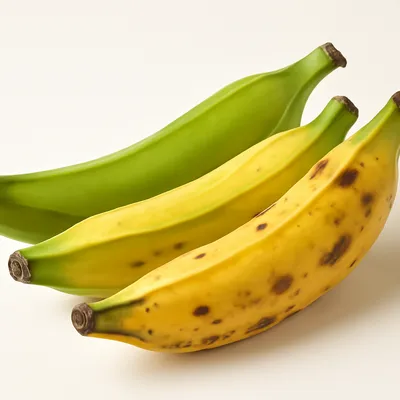






Dairy & Fats



Sauces & Condiments


On the Map
Where this cuisine is found
Regional Styles
South Coast (Cotonou, Porto-Novo, Ouidah)
The Atlantic coastal strip and Vodun heartland. Fon-Yoruba palm-oil sauces, akassa corn pâte, and the Yoruba Nago bean-fritter tradition.
Central (Abomey, Bohicon)
The historic Dahomey kingdom heartland. Watché, Yovo Doko, and the celebration dishes of the former royal court.
How They Cook
Techniques that define this cuisine


