
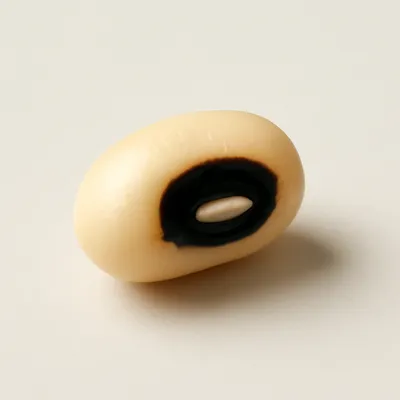
West African black-eyed pea fritters — peeled black-eyed peas blended with onion, scotch bonnet, and salt into a smooth batter, then spooned into hot palm oil (or vegetable oil) and deep-fried until golden-puffy. Eaten as breakfast, snack, or alongside akassa. The pan-West African staple snack, shared with Nigeria (akara) and the Yoruba diaspora.




Àkàrà (also spelled akara) traces to the Yoruba peoples of present-day Nigeria and Benin, with documented preparation predating European contact. The dish spread through the West African diaspora and now appears in Brazilian bahian acarajé and various Caribbean fritter traditions. The Beninese version uses palm oil for frying (vs the vegetable oil more common in modern urban Nigerian versions), giving it a distinctive earthy color and flavor.
Pick up a hot àkàrà — golden-brown puffy ball, slightly irregular, light despite its size. Bite: the outside crackles with a satisfying crispy crunch, the inside is airy with visible bean-protein pockets, the gentle bean flavor balanced by the onion's mellow sweetness and the scotch bonnet's slow-building heat. Dip into spicy pepper sauce: the heat intensifies; the cool fresh tomato of the sauce contrasts. With akassa on the side for substance and a glass of bissap (hibiscus juice), this is the Beninese breakfast that fuels markets and offices across Cotonou.
Peeling the beans is essential — the skins would give the batter a coarse, fibrous texture. Beating the batter incorporates air which expands during frying, creating the puffy interior. Frying at exactly 175°C ensures the fritters puff without absorbing too much oil; lower temps result in greasy fritters, higher in burnt exteriors.
Variations
Àkàrà with shrimp added (Yoruba seafood version). Sweet àkàrà with honey or syrup. Mini àkàrà for catering. Modern Cotonou restaurant version with gourmet pepper sauces. Brazilian acarajé is the diaspora cousin (split and stuffed with shrimp filling).
On the Palate
Where Àkàrà Béninois sits in the Beninese flavor cloud
Ingredients
Serves 6How it's made
9 steps · 30 min active + 45 min waiting
- 160 min
Soak 300 g dried black-eyed peas in cold water for 1-2 hours (or overnight for easier peeling).
- 212 min
Rub the soaked peas between your palms underwater to loosen the skins. Skim off the floating skins. Repeat until most skins are removed. Drain.
Watch outRub and rinse until almost all the skins float off — leftover skins give the finished fritter a coarse, gritty bite instead of a smooth one.
- 35 min
In a high-powered blender, blend the peeled peas with 1/2 cup cold water + 1 small onion (chopped) + 1 scotch bonnet (seeded for milder) + 1 tsp salt + 1/2 tsp ground crayfish (optional traditional addition) until very smooth and slightly fluffy (3-5 min). The batter should be thick like pancake batter.
- 47 min
Transfer to a bowl. Beat vigorously with a wooden spoon or whisk for 5-7 min to incorporate air — this is essential for puffy fritters. The batter should lighten in color and become foamy.
Watch outBeat the batter hard until it pales and turns foamy — that whipped-in air is what makes the fritters puff; a dense, flat batter fries up heavy.
- 56 min
Heat 3 cm palm oil (or vegetable oil) in a heavy pot to 175°C.
- 62 min
Drop tablespoonfuls of batter into the hot oil — they should sizzle and rise.
- 75 min
Fry 4-5 min, turning gently with a slotted spoon, until deeply golden-brown and puffy. The inside should be cooked through (test one — the inside should be light and porous).
Watch outDrop in a spoonful only once the oil hits temperature — it should sizzle and float up at once; if it sinks and sits, the oil's too cool and the fritter drinks up grease.
- 82 min
Drain on paper towels.
- 93 min
Serve hot with: akassa (corn pâte), pepper sauce, fried plantain, or fresh bread for sandwiches. Traditional Beninese breakfast pairing: akara + akassa + sweet bread.


