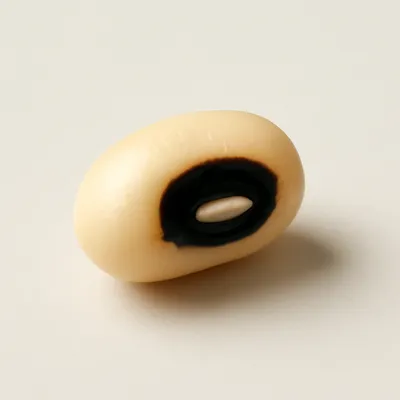
Black-eyed-pea fritters — soaked peas pounded with onion-chili paste, deep-fried in palm or peanut oil. Street-stand staple.



Yoruba-origin (Nigeria), brought to Senegal pre-1850 via West-African trade circuits, and to Brazil via the transatlantic slave trade where it became acarajé. In Senegal, akara is breakfast food; in Brazil's Bahia it became Candomblé-Yoruba sacred food. The Wolof spelling keeps the «k».
UNESCO inscribed Bahia's acarajé tradition (the Brazilian sister dish) in 2005; Senegal has not pursued an equivalent for akara. The Bahia version weighs 80g per fritter; Senegalese street akara average 30g. Dakar's Marché Sandaga vendors fry from 6am.
Golden-brown outside, custard-pale inside, light as cake, slightly crackling when fresh. Onion sweetness on the front, scotch-bonnet heat behind. Eat split with kaani sauce drizzled in, or in a baguette as «sandwich akara» for breakfast in Dakar.
Black-eyed peas soaked 4 hours, skinned by rubbing, blended with onion-chili-garlic to a thick puff-able paste; key is whipping in 8-10 minutes of air to lighten before frying at 175°C. No baking powder — the air whipped in IS the leavening.
Variations
Senegalese akara (plain, with onion), Nigerian akara (sweeter, with ground crayfish), Brazilian acarajé (split, stuffed with vatapá and shrimp), and Cameroonian koki which steams the same batter in banana leaves.
On the Palate
Where Akara Senegalese sits in the Senegalese flavor cloud
Ingredients
Serves 6How it's made
4 steps · 11 min active + 8 hours 10 min waiting
- 1480 min
Soak 400 g black-eyed peas overnight; rub off skins.
- 25 min
Blend with 2 chilies + 1 onion + salt to thick paste.
- 310 min
Whisk in air; rest 10 min for lightness.
Watch outWhisk until the paste visibly pales and puffs, and a small blob dropped in water floats — that trapped air is the only leavening here, so keep beating till it's light.
- 46 min
Drop spoonfuls into 180 °C palm oil; fry 4 min until golden.
Watch outOil is ready when a drop of batter sizzles up right away; fry until deep gold and they've turned over on their own — pull them before the crust darkens past golden or they go bitter.
Archive tool suggestions — not reviewed
These legacy suggestions have not been evidence-reviewed and are not presented as required tools.