
Chilled red-hibiscus juice — the cold, mint-finished form of bissap sold in 100ml plastic baggies. Dakar's everywhere drink.


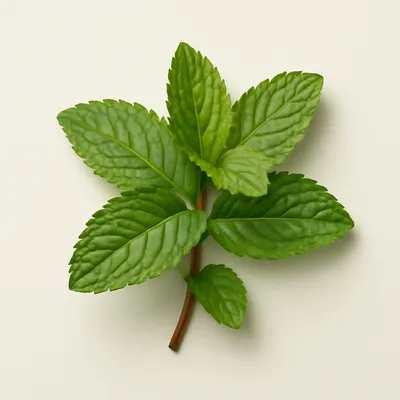

Distinct from hot or fermented bissap forms — the cold-juice subset became the dominant urban form in Dakar after the 1980s rise of plastic-bag street vending. The Saalum hibiscus harvest (October-November) supplies the year's juice production.
The 100ml plastic baggie (~$0.15) accounts for 60% of Dakar street beverage sales according to a 2019 USAID survey. Senegal banned plastic bags in 2020 but enforcement is patchy; juice vendors increasingly use bottles. Pierre Thiam's Yolele brand sells US bottled bissap since 2019.
Deep ruby-red, the color of pomegranate molasses, transparent. Sweeter than the hot version, mint cooling at the back. Bag-vendor temperature is icy — the bag has been in a thermal box with ice blocks. Bite the corner, sip till empty in three minutes.
Steeped 4:1 water-to-flower at 95°C 20 min, strained, sugared 1:6 (higher than hot bissap), mint added 30 min before chilling, refrigerated overnight. The overnight chill develops the rounded color and lets bitter tannin precipitate.
Variations
Standard cold-mint (default), bissap-gingembre (with ginger, Casamance), bissap-citron (lemon-added, Lebanese-Senegalese cafe form), and Yolele NYC bottled version with cardamom.
On the Palate
Where Jus de Bissap Rouge sits in the Senegalese flavor cloud
Ingredients
Serves 8How it's made
3 steps · 2 min active + 1 hour 28 min waiting
- 188 min
Make bissap (#2441); cool fully and refrigerate.
Watch outChill it overnight, not just an hour — the long cold rounds out the color and drops the harsh tannin to the bottom.
- 21 min
Add a few mint leaves to each serving.
- 31 min
Pour into small plastic bags or cups for street sale.


