
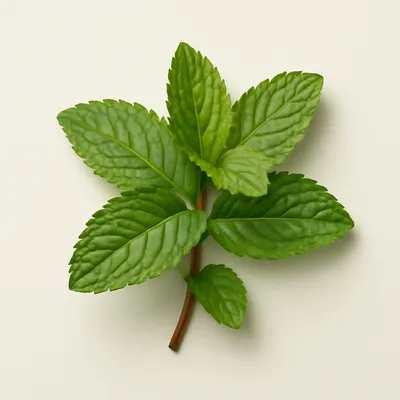
Hibiscus iced tea — dried roselle calyces steeped with ginger and mint, sweetened, served cold. Senegal's most-drunk beverage.




Hibiscus sabdariffa originated in Sudan-Chad and arrived in West Africa pre-1500 via Saharan trade. Senegal industrialized cultivation in the 1970s in the Saloum basin; the «jus de bissap» commercial form sold in plastic baggies arrived with the 1980s street-vendor economy.
Senegal exported 6,800 tonnes of dried hibiscus in 2020, second only to Sudan worldwide. Street vendors sell 100ml sachets at 100 CFA (15 cents); the Dakar Cofradel brand markets bottled bissap to Whole Foods US since 2017. Pierre Thiam's brand Yolele launched a US version in 2019.
Deep magenta, almost wine-red, with tart-cranberry edge cut by sugar. Cold, slightly fizzy if fermented a day. Ginger adds a back-of-throat heat. Sold from coolers in transparent plastic sachets you bite the corner off.
Dried calyces (200g per 4 liters water) steeped boiling 15 min, strained, sugared 1:8, optional 12-hour fridge ferment for slight fizz. The anthocyanins are pH-sensitive: lemon juice turns it neon-pink, baking soda turns it muddy purple.
Variations
Senegalese cold sweet (default), bissap chaud (hot, ginger-forward, harmattan-season), bissap-fermented (12-hour wild ferment, slightly alcoholic), and the diaspora «hibiscus margarita» at restaurants like Teranga NYC.
On the Palate
Where Bissap sits in the Senegalese flavor cloud
Ingredients
Serves 8How it's made
4 steps · 3 min active + 1 hour 20 min waiting
- 12 min
Combine 100 g dried hibiscus + 2 L water + thumb ginger + mint in a pot.
- 220 min
Bring to boil; simmer 20 min until deep crimson.
Watch outSimmer until the water turns a deep, dark crimson — that color is the flavor coming out; a pale pink brew tastes thin and sour.
- 360 min
Strain into pitcher; stir in 200 g sugar; cool then chill.
Watch outStir the sugar in while it's still hot so it dissolves clean — taste before chilling, since cold dulls the sweetness.
- 41 min
Serve over ice.


