
Turkish lemonade made by blitzing whole lemons — peel, pith and flesh — with sugar and water, then straining, so the drink carries the fragrant oils of the zest as well as the juice. The result is intensely citrusy, cloudy and aromatic rather than thin and merely sweet-sour. Served ice-cold, sometimes with mint, it is a summer staple of homes and cafés across Turkey.
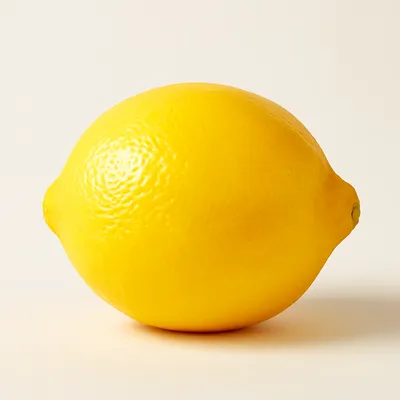


Limonata is the Turkish take on lemonade, set apart by its use of the whole fruit rather than juice alone. Lemons grow abundantly along Turkey's Mediterranean coast, and the home method of blending entire lemons with sugar and water — capturing the aromatic oils held in the peel — gives the drink its characteristic depth and slight bitterness. It is a fixture of the warm months, made by the jug at home and sold bottled and on tap in cafés and lokantas. The name comes straight from the Italian limonata, reflecting the Mediterranean exchange of citrus drinks, but the whole-lemon, zest-forward preparation is the local signature.
Cloudy and pale yellow, thick with pulp and fragrance. The first note is bright, mouth-watering lemon, fuller and rounder than juice-only lemonade because the zest oils are in there, with a faint pleasant bitterness from the peel behind the sweetness. Sharp and cooling, balanced between sweet and sour, and lifted further by mint when added. Best drunk so cold the glass sweats.
Blending the whole lemon ruptures the oil glands in the zest, releasing the fragrant essential oils that hand-squeezing leaves behind in the peel — this is what makes limonata smell and taste so much fuller than plain lemonade. Straining then removes the bitter solids while keeping those dissolved oils and the juice. The pith carries some bitterness too, so the blitz is kept brief and the sugar is balanced against the acid; too long in the blender, or too much pith, and the drink turns harshly bitter. Chilling and resting lets the flavors marry.
Variations
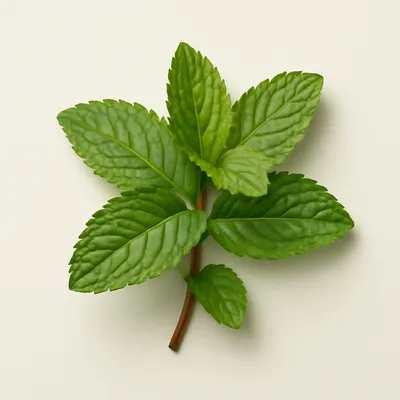
Some recipes add a little orange for sweetness and aroma, or fresh mint for a cooler finish. Strength and sweetness vary by household; café versions are often made as a concentrate and topped with water or soda over ice. The whole-lemon method is the defining feature, but lazier versions simply mix lemon juice with sugar syrup. Bottled limonata is widely sold across Turkey.
On the Palate
Where Limonata sits in the Turkish flavor cloud
Ingredients
Serves 6How it's made
5 steps · 15 min active + 15 min waiting
- 18 min
Scrub whole lemons well, then cut them into chunks and remove the seeds.
- 23 min
Blitz the lemon chunks with sugar and a little water briefly, just enough to break them down without overworking the bitter pith.
Watch outBlitz the lemon chunks only briefly — just enough to break them down; run the blender too long and the pith turns the whole drink harshly bitter.
- 35 min
Strain the mixture through a fine sieve, pressing to extract the juice and dissolved oils, and discard the solids.
- 43 min
Stir in the remaining cold water and taste, adjusting sugar and lemon for balance.
- 55 min
Chill thoroughly and serve over ice, with mint if you like.
Archive tool suggestions — not reviewed
These legacy suggestions have not been evidence-reviewed and are not presented as required tools.


