
American lemonade is the still, cloudy kind: fresh-squeezed lemon juice, sugar, and cold water over ice, served by the pitcher on summer porches and at roadside stands. Unlike the carbonated 'lemonade' of Britain, the American version is uncarbonated and tart-sweet, its balance adjusted by eye until it makes the mouth pucker just short of too sour. It is the archetypal American summer drink, tied to lemonade-stand childhoods, county fairs, and the heat of July.
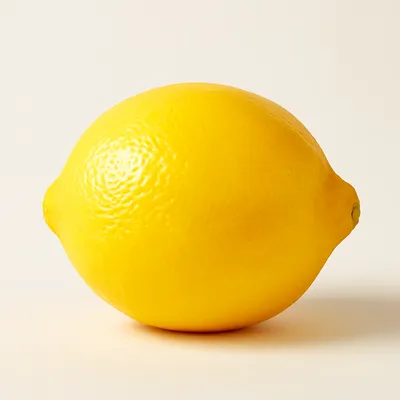


Lemons reached the New World with Spanish colonists, and sweetened citrus-and-water drinks are far older than the United States — a sweetened lemon-juice drink was sold in Paris by the Compagnie de Limonadiers from 1676, and similar drinks circulated in the medieval Mediterranean and Egypt. The American lemonade stand became a cultural fixture in the nineteenth century; an often-repeated story credits a ten-year-old Edward Bok with running one of the first recorded stands in New York around 1873, though the practice was clearly already spreading. Lemonade also rode the Temperance movement: 'Lemonade Lucy' was the nickname given to Lucy Hayes, wife of President Rutherford B. Hayes, after alcohol was banned at the White House in the late 1870s and lemonade served in its place.
Bright, clean, and bracingly tart, with a sweetness that arrives a beat behind the sour and never quite catches up — that lag is the whole point. Cold enough to ache the teeth, faintly cloudy from the pulp and oils, and finishing with the fragrant bitterness of lemon zest if any peel was muddled in. A good glass is thirst-quenching rather than syrupy.
Balance is everything, and it is a balance of acid against sugar: lemon juice runs around pH 2 to 2.5 and is roughly five to six percent citric acid, while sugar both sweetens and blunts the perception of that acid, so the two are tuned against each other rather than measured. Sugar dissolves slowly in cold water, so it is often dissolved first into a simple syrup (equal parts sugar and hot water) to avoid a gritty, sweet-bottomed pitcher. Rolling and warming the lemons before juicing ruptures more juice sacs for a higher yield, and briefly muddling a little zest releases the aromatic oils held in the peel, deepening the lemon flavor beyond the juice alone.
Variations
Pink lemonade tints the same drink with grenadine, cranberry, or berry juice, its origin folklorically tied to nineteenth-century traveling circuses. Cloudy versus clear depends on whether the pulp is strained out. Frozen lemonade and the Italian-American 'lemon ice' are slushy cousins; the Arnold Palmer cuts it half-and-half with iced tea. Limeade swaps in limes; a 'lavender' or 'mint' lemonade infuses herbs into the syrup; and across the South a spiked 'hard' lemonade adds vodka or bourbon.
On the Palate
Where Lemonade sits in the American flavor cloud
Ingredients
Serves 4How it's made
6 steps · 10 min
- 15 min
Make a simple syrup by stirring the sugar into the hot water until fully dissolved, then let it cool.
Watch outDissolve the sugar fully into the hot water into a clear syrup before it goes cold — sugar won't melt into cold lemonade and you'll get a sweet, gritty layer at the bottom.
- 23 min
Roll the lemons firmly on the counter to loosen the juice, then halve and squeeze, straining out seeds.
- 31 min
Optionally muddle a little lemon zest into the syrup, then strain it out, for a deeper aroma.
- 41 min
Combine the lemon juice, syrup, and cold water in a pitcher and stir.
- 51 min
Taste and adjust, adding more syrup for sweetness or more water and juice to balance.
Watch outTaste and tune the sugar against the acid at the end — lemonade lives on that balance, so adjust with more syrup or more water until it's tart but not puckering.
- 61 min
Pour over plenty of ice, garnish with lemon slices, and serve cold.
Archive tool suggestions — not reviewed
These legacy suggestions have not been evidence-reviewed and are not presented as required tools.


