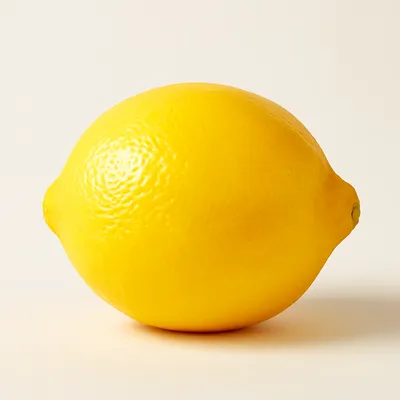
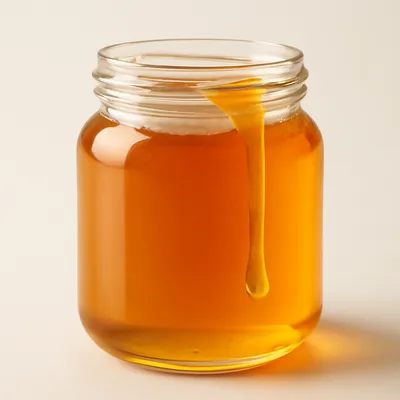
A clear, pale-golden jelly set by hand-rubbing the seeds of the aiyu fig — a climbing fig endemic to Taiwan (Ficus pumila var. awkeotsang) — in mineral water inside a cloth bag, releasing natural pectin that sets on its own with no heat and no gelatin. Served cold with lemon juice and honey over ice, it is a uniquely Taiwanese dessert-drink.


Aiyu is documented in the writings of the Taiwanese historian Lien Heng. According to his Comprehensive History of Taiwan, sometime in the Daoguang reign of the 19th century a merchant traveling through the hills of Chiayi drank from a stream and found a clear jelly floating on the surface, realizing it came from fallen aiyu-fig fruit; he had his teenage daughter, named Aiyu, rub and sell the jelly, and it took her name. The aiyu fig is endemic to Taiwan's mountains.
Aiyu is barely there — a trembling, almost weightless jelly, clear and faintly golden, that slips apart on the tongue with no chew at all. On its own it is nearly tasteless; it lives to carry the bright sourness of fresh lemon and the round sweetness of honey. Over crushed ice it is pure cold refreshment, slithering down in soft, cool sheets.
Aiyu's set is a rare room-temperature gelation driven by an enzyme and calcium, not heat. The seeds are coated in high-methoxyl pectin and the enzyme pectin methylesterase. Rubbing them in water dissolves both out; the enzyme strips methyl groups off the pectin, converting it into low-methoxyl pectin. The divalent calcium and magnesium ions naturally present in mineral water then cross-link the pectin chains into a three-dimensional gel network — which is why mineral water sets it but pure distilled water will not, and why oily or soapy hands, which interfere with the pectin, ruin the set. No heat and no gelatin are needed. This enzyme-plus-calcium cold gelation sets aiyu apart from related plants like the common creeping fig used for bingfen or liangfen, which are a different species and process.
Variations
The canonical serving is lemon-and-honey aiyu over ice. It also appears sweetened with sugar syrup or brown-sugar water, paired with passion fruit or kumquat, and as a topping in shaved-ice bowls, fruit teas, and bubble-tea-style drinks. Aboriginal communities in the source mountains have long gathered and rubbed it fresh.
On the Palate
Where Aiyu Jelly sits in the Taiwanese flavor cloud
Ingredients
Serves 4How it's made
6 steps · 30 min
- 18 min
Turn the dried aiyu fruit inside out and scrape off the seeds, or use ready-separated aiyu seeds; spoon them into a clean cloth bag.
- 23 min
Make sure your hands and all utensils are completely free of oil, then prepare cool mineral or hard tap water — never pure distilled water.
Watch outHands and bowl must be totally oil-free, and use mineral or hard water — oil ruins the set, and distilled water won't gel at all.
- 310 min
Submerge the bagged seeds in the water and rub and squeeze steadily for about 10 minutes until the water turns slippery and golden and the gel stops coming out.
Watch outRub the seeds until the water turns slippery and golden and no more gel comes out — stop too soon and it sets weak or not at all.
- 43 min
Lift out the bag, pour the liquid through a fine strainer into a clean shallow container, and skim off any foam.
- 525 min
Leave it undisturbed at room temperature for 15 to 30 minutes until it sets into a clear, trembling jelly, then chill.
- 63 min
Cut the set jelly into cubes and serve over ice with fresh lemon juice and honey.


