Taiwanese fried chicken cutlet: a single boneless chicken breast butterflied open and pounded flat into one giant, palm-or-face-sized slab, marinated, dredged in a sweet-potato-starch coating and deep-fried crisp, then dusted with pepper-salt or sour-sweet plum powder, with chili optional. Unlike bite-size salt-and-pepper chicken, it is served whole and uncut, eaten from a paper bag on the street. The night-market icon made famous by the giant 'bigger-than-your-face' cutlets of Shilin.


The big Taiwanese chicken cutlet is a child of the night market: a whole flattened chicken breast or thigh, fried crisp and eaten on the move. Its leap from ordinary cutlet to oversized icon is closely tied to the Shilin night market in Taipei and to the brand Hot-Star, which began trading in 1992 and within about seven years had become one of Shilin's signature snacks. Its calling card — a cutlet some 30 centimetres long, 'bigger than your face' and deliberately never cut into pieces — popularized the giant format that other stalls copied across Taiwan and that the brand later carried abroad. No earlier single inventor of the cutlet itself is reliably recorded; the well-documented part is who made the supersized version famous.
You tear into one corner of a slab too big to bite whole. The crust is thin, tight and loudly crisp, the pounded breast beneath cooked through but still moist, no dry patch anywhere because it is so thin and even. Steam rises from the torn edge. The pepper-salt is savory and warming; if you chose plum powder it lands tart and sweet at once, cutting the fried richness, and the chili-dusted version finishes with a slow heat.
Butterflying is the whole trick. Splitting the thick breast open and pounding it to an even thin sheet does two things: it lets the meat cook through fast before the crust burns, avoiding the raw-centre problem of a thick cut, and it maximizes surface area so almost every bite carries crust. The coating leans on sweet-potato starch (often cut with a little flour and glutinous-rice flour) to fry up crackly rather than bready, and is rested a few minutes so it grips the meat. The cutlet is fried twice — about 160°C first to set and cook, then a hotter second pass near 170-180°C to drive off oil and crisp the shell. Plum powder, the signature finish, is dried sour plum ground with salt and sugar; its malic acid and sweetness cut through the fried fat the way a squeeze of lemon would.
Variations
The cut is usually boneless breast for the classic flat slab, though deboned thigh gives a juicier, more uneven cutlet. Coatings range from pure sweet-potato starch to a starch-flour blend or a wet batter for a thicker crust. Finishes are the choice: pepper-salt is standard, plum powder for sour-sweet, chili or 'spicy' powder for heat, and some shops offer seaweed, garlic or cheese powders. Spiced and 'thousand-layer' marinades, and a smaller bone-in style, also appear; the constants are the flattened single piece and the uncut serving.
On the Palate
Where Taiwanese Fried Chicken Cutlet sits in the Taiwanese flavor cloud
Ingredients
Serves 2
How it's made
6 steps · 30 min
- 18 min
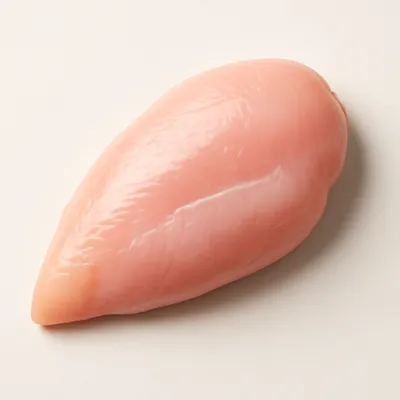
Butterfly a boneless chicken breast: slice it open through the thick side and fold it out into one flat sheet, then pound with the back of a knife or a meat mallet to an even thinness.
Watch outPound the butterflied breast to an even thinness — thin lets it cook through before the crust burns and puts crust on nearly every bite; uneven thickness leaves a raw center.
- 2120 min
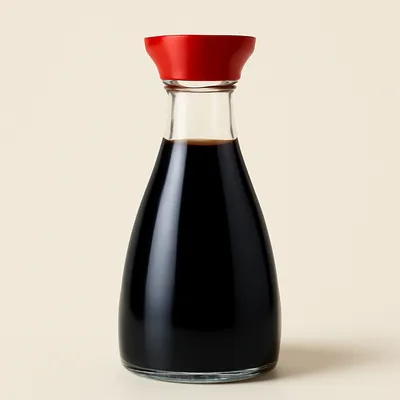
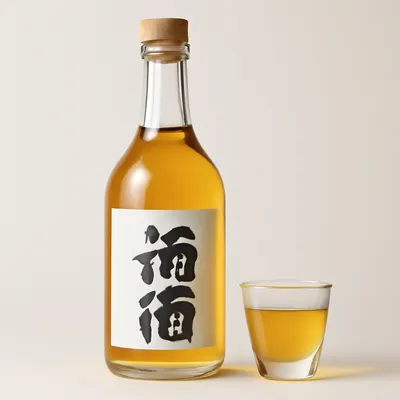
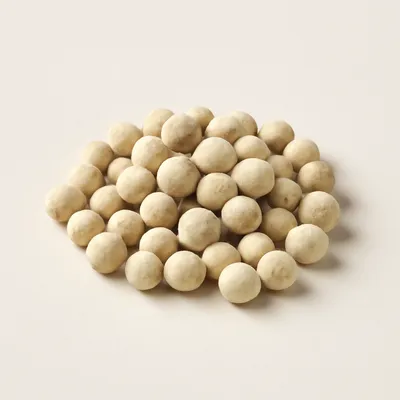
Marinate the cutlet with soy sauce, garlic, ginger, rice wine, five-spice and white pepper; chill 2 hours.
- 36 min
Dredge in a coating built mostly from sweet-potato starch (with a little flour and glutinous-rice flour); press it on and rest 5 minutes so it grips.
- 46 min
Heat oil to about 160°C and fry the cutlet, undisturbed until the surface sets, then turning, until cooked through and pale gold; lift and drain.
Watch outFirst fry at about 160°C, leaving it undisturbed until the surface sets before you turn it — move it too early and the coating tears off.
- 52 min
Raise the oil to about 170-180°C and return the cutlet for a short second fry until deep golden and crisp.
Watch outSecond fry hotter, 170–180°C, for just a short pass — this drives out oil and crisps the crust deep gold; skip it and the cutlet stays greasy and pale.
- 61 min
Drain well and dust both sides with pepper-salt or plum powder, adding chili powder if liked; serve whole and uncut in a paper bag.


