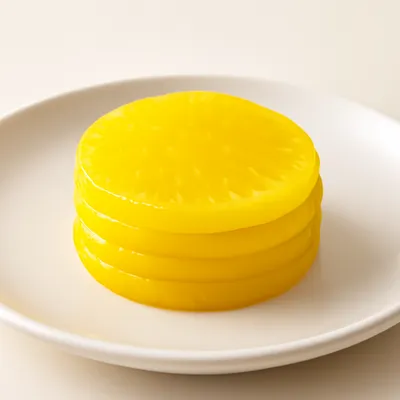
A fistful of hot glutinous rice pressed into a sheet, packed with a crushed length of crisp fried dough stick, salted pickled radish, pork floss and sometimes a braised egg, then squeezed in a cloth or plastic wrap into a dense oval log eaten out of hand. A classic of the roadside breakfast cart, it is larger, denser and chewier than Japanese onigiri, defined by the contrast of soft sticky rice against the shattering crunch of the dough stick inside.



The rice roll belongs to Taiwan's working-morning street food, sold from the soy-milk shops and breakfast carts that fed laborers and students on the way to work. Built on glutinous rice rather than the plain short-grain rice of Japanese onigiri, it took the established Chinese pairing of warm soy milk with fried dough sticks and wrapped it into one portable package — the dough stick's crunch sealed inside sticky rice, seasoned with the dried, salted radish and pork floss of the Taiwanese pantry. It has no founding shop; it is a generic cart-and-counter format, and is firmly distinct from Japanese onigiri in its sticky rice, its dense hand-pressed log shape, and its savory fried-dough core.
Heavy in the hand and warm through the wrapper, the rice roll opens to soft, sticky, faintly sweet glutinous rice clinging in a dense ring around a core of fried dough stick that still shatters and crackles. The pickled radish snaps with salt, the pork floss melts into fine savory threads, and a braised egg, if present, turns each bite richer. Tightly packed, it holds its shape to the last bite without falling apart.
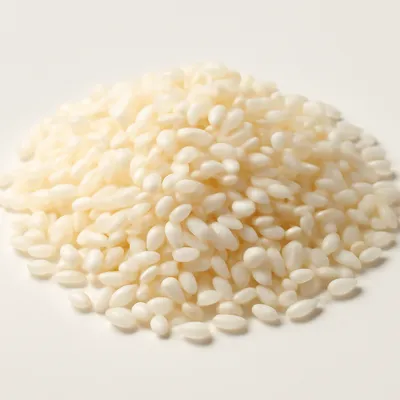
Glutinous rice is the structural trick. Its starch is nearly all amylopectin, which makes the cooked grains sticky and cohesive, so a hand-pressed log binds into one mass without any wrapper to hold it — plain rice would crumble. The rice must go in hot, while the starch is still soft and tacky, then be squeezed firm in cloth or wrap so it sets dense as it cools. The fried dough stick is sealed in at the last moment and eaten quickly, before the rice's moisture migrates in and softens its crisp, air-puffed crust.
Variations
The classic fillings are fried dough stick, pickled radish and pork floss; common additions are a braised egg, sweetened dried pork, or preserved mustard. A purple-rice or mixed brown-rice version is now widespread as a healthier take. Sweet rolls swap in sugar and crushed peanut. Modern shops stuff them with tuna, cheese or fried chicken. It stays distinct from Japanese onigiri, which uses non-glutinous rice, a triangular shape and seaweed rather than a dense hand-squeezed log.
On the Palate
Where Taiwanese Rice Ball sits in the Taiwanese flavor cloud
Ingredients
Serves 1How it's made
7 steps · 20 min
- 140 min
Soak glutinous rice for several hours, then steam until soft and translucent and keep it hot.
Watch outSteam the glutinous rice until soft and translucent and keep it hot; it must go in warm and tacky, because cooled rice loses its stickiness and the log won't bind without a wrapper.
- 23 min
Fry or re-crisp a length of dough stick until golden and shatteringly crisp; have pickled radish and pork floss ready.
- 31 min
Lay a damp cloth or sheet of plastic wrap on the counter and spread a fistful of hot rice into a thick rectangle.
- 41 min
Lay the dough stick across the center and pile on pickled radish, pork floss and a braised egg if using.
- 51 min
Using the cloth or wrap, lift the rice up and over the filling, enclosing it completely.
- 62 min
Squeeze and roll firmly into a dense oval log so the rice binds around the filling.
Watch outSqueeze and roll firmly so the rice packs dense around the filling; a loose roll falls apart, and eat it soon before the rice's moisture softens the crisp dough stick inside.
- 71 min
Twist the wrapper tight to hold the shape and eat while still warm.
Archive tool suggestions — not reviewed
These legacy suggestions have not been evidence-reviewed and are not presented as required tools.


