Glutinous rice soaked in fresh pig's blood and steamed into a dense, dark, springy cake. Cut into slabs or skewered, it is re-steamed until soft, then brushed with soy and rolled in peanut powder and cilantro to eat off a stick — or sliced into braised snacks and hot pots. Mild and almost iron-rich rather than gamey, with a chewy, mochi-like bite, it is a Taiwanese night-market icon.



Pig's blood rice cake grew out of the thrift of Taiwanese farming and butchering life, where nothing from a slaughtered pig was wasted: fresh blood was mixed with glutinous rice and steamed into a cake that kept and stretched a precious protein. It belongs to the wider Chinese tradition of blood foods but took on a distinctly Taiwanese street life — skewered, brushed with soy and packed in peanut powder and cilantro at night markets, or simmered in the soy braise of lu wei and dropped into hot pots and stinky-tofu stews. It has no single inventor; it is a folk and night-market staple, named simply for its two parts, rice and blood.
The texture is the point: dense and springy, chewy like a firm mochi, the steamed glutinous rice bound tight by set blood. The flavor is surprisingly mild — clean and faintly mineral, more savory than gamey — so it works as a carrier. Off a night-market skewer it is soft and hot, salty-sweet with brushed soy, nutty and dry from a thick coat of peanut powder, with cilantro for a fresh top note. Braised, it drinks up the dark stock and turns silkier.
Two things set the cake: starch and blood proteins. Glutinous rice, almost pure amylopectin, turns sticky and cohesive when steamed; the fresh blood is the binder, and its proteins — chiefly hemoglobin and albumin — coagulate with heat into a firm gel that locks the rice grains into a sliceable block, much as egg sets a custard. The blood must be fresh and stirred with a little salt to stay liquid until it meets the rice, and the mix is steamed gently so the proteins set evenly without going spongy. Re-steaming before serving softens the dense cake; in a braise, the porous set structure soaks up the seasoned stock.
Variations
The classic is the night-market skewer — re-steamed, soy-brushed, rolled in peanut powder and cilantro. It is also sliced into the soy braise of lu wei, simmered in hot pots and oden-style stalls, and paired with stinky tofu. Duck-blood versions exist, generally softer than pig's. Some cooks add a little sticky rice texture or chili; the seasoning ranges from sweet soy to a spicier brush. It is distinct from loose blood curd or blood tofu, which is set blood without the bound glutinous rice that gives this its chew.
On the Palate
Where Pig's Blood Rice Cake sits in the Taiwanese flavor cloud
Ingredients
Serves 4
How it's made
7 steps · 1 hour
- 130 min
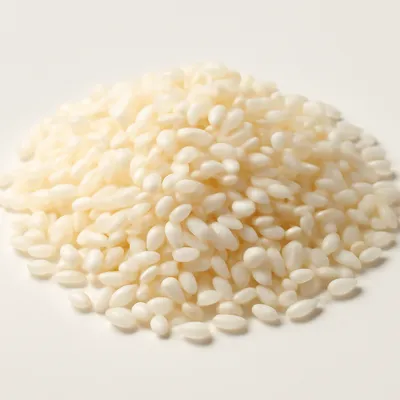
Rinse and soak glutinous rice for at least half an hour, then drain.
- 23 min
Stir fresh pig's blood with a little salt and water to keep it liquid and smooth.
Watch outStir the fresh blood with a little salt to keep it liquid and smooth — let it clot before it meets the rice and it won't bind the grains.
- 33 min
Combine the drained rice with the seasoned blood in a ratio that fully coats and binds the grains.
- 42 min
Pour the mixture into an oiled shallow tray or mold and level the surface.
- 530 min
Steam over medium heat until the blood has set firm and the rice is cooked through, then cool until it firms into a sliceable cake.
Watch outSteam gently until the blood sets firm all through — too hard a steam turns it spongy; then cool fully so it firms into a sliceable cake.
- 65 min
Cut into slabs or rectangles and skewer if serving night-market style; re-steam until soft and hot.
- 73 min
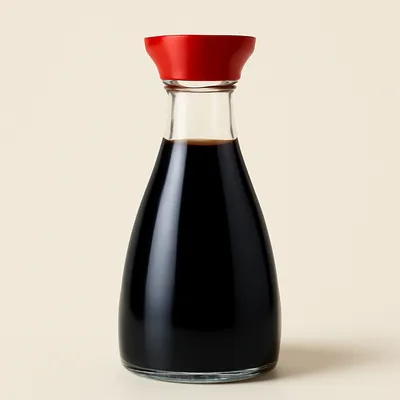
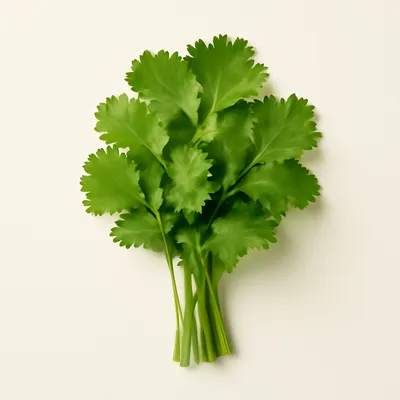
Brush with sweet soy sauce, roll generously in peanut powder, top with chopped cilantro, and serve on the stick — or slice into a soy braise or hot pot instead.
Archive tool suggestions — not reviewed
These legacy suggestions have not been evidence-reviewed and are not presented as required tools.


