A Hakka pounded-glutinous-rice mochi, served in small pieces drenched in ground peanut-sugar powder, the texture softer and less refined than Japanese mochi. A festive and everyday Hakka sweet, called qi ba in Hakka.
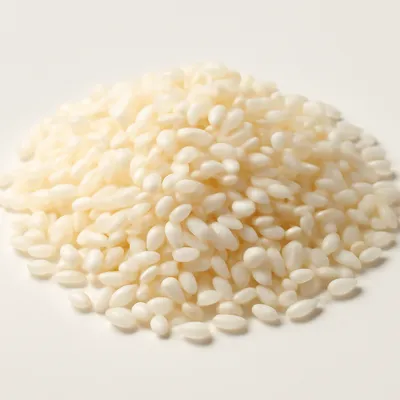
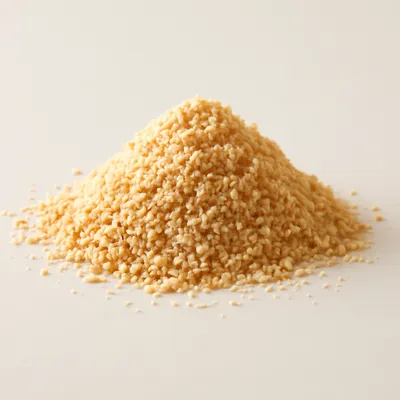


Hakka mochi, called qi ba in the Hakka language, is the Hakka version of the pounded-glutinous-rice confection eaten across East Asia, with its own distinct tradition. Unlike Japanese mochi, which is made from finely milled mochiko flour and shaped into smooth, uniform balls, Hakka qi ba is made by steaming whole glutinous rice and pounding it in a stone or wooden mortar until it forms a single elastic mass, then tearing, not cutting, pieces off and drenching them in a mixture of ground roasted peanuts and sugar. The texture is softer, less chewy and more rustic than Japanese mochi, the torn irregular pieces giving more surface for the peanut-sugar coating. Qi ba is central to Hakka gatherings, weddings, ancestral rites and temple festivals, the pounding itself a communal act, and it is served as a gesture of hospitality to guests in every Hakka household. The peanut-sugar coating is essential, the deep roasted flavour of the peanuts against the soft neutral rice, and a soy-sugar version also exists. The dish represents the Hakka value of turning the cheapest grain into a celebratory food through labour.
Soft, warm, elastic pieces of pounded rice, torn not cut, each coated in a generous layer of ground roasted peanut and sugar, the peanut flavour deep and toasted. Less chewy than Japanese mochi, more rustic; meltingly soft with a sandy sugar crunch.
The technique is the steam-then-pound. Glutinous rice is soaked, steamed until tender, then transferred hot to a stone or wooden mortar and pounded with a heavy wooden mallet for many minutes, the pounding breaking the grain structure and forming a single, smooth, elastic mass through the gelatinised starch, a labour-intensive process. The pounded mass is too sticky to cut, so pieces are torn off by hand, oiled or dipped in water to prevent sticking, the torn irregular shape giving more surface area for coating. The coating is a dry mix of finely ground roasted peanuts and sugar, in roughly equal parts, the peanuts dry-roasted first for depth, and the torn pieces are drenched in it. The texture is softer and less chewy than flour-milled mochi because the whole grain is pounded rather than the starch pre-extracted, leaving more structure. Eaten fresh within hours, as the rice stales and hardens, the qi ba is best when just made and still warm. The peanut-sugar coating is non-negotiable.
Variations
A soybean-flour and sugar version is also traditional. Some serve qi ba in a sweet ginger soup. Mochi with red bean paste is a modern fusion.
On the Palate
Where Hakka Mochi sits in the Taiwanese flavor cloud
Ingredients
Serves 6How it's made
5 steps · 15 min
- 15 min
Soak 300g glutinous rice for 3 hours, drain, then steam for 30 minutes until tender.
Watch outSteam the soaked glutinous rice until a grain squashes to paste with no hard core — any raw centre won't pound smooth.
- 28 min
Transfer the hot rice to a large mortar and pound with a heavy mallet for 8 to 10 minutes until it forms a single smooth elastic mass.
Watch outPound the hot rice hard until you can't see a single whole grain and it stretches in one glossy elastic mass — stop too soon and it's still grainy, not chewy.
- 35 min
Dry-roast 150g peanuts until fragrant, rub off the skins, and grind finely with 100g sugar.
Watch outDry-roast the peanuts just until fragrant and lightly coloured — take them past that and the ground powder tastes bitter and burnt.
- 45 min
Oil your hands, tear small pieces from the pounded rice, and drench each in the peanut-sugar powder.
- 53 min
Serve at once, warm, the pieces best within a few hours of making.
Archive tool suggestions — not reviewed
These legacy suggestions have not been evidence-reviewed and are not presented as required tools.


