
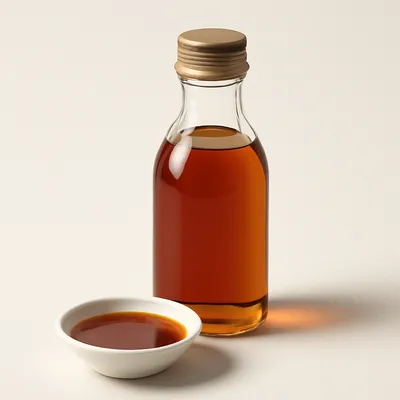
Jeolpyeon is a pounded rice cake of non-glutinous short-grain rice, defined less by flavor than by the patterns pressed into its face. Rice flour is steamed, then pounded and kneaded hot until it turns smooth, dense, and elastic, rolled into a rope, and cut into pieces — the name means simply "cut piece." Each piece is then stamped with a tteoksal, a carved wooden or ceramic mold bearing auspicious motifs: chrysanthemums and flowers, fish, the taegeuk, geometric frets, the characters for longevity and fortune. A brush of sesame oil leaves the surface glossy and keeps the pieces from sticking. The chew is firm and clean, the sweetness barely there; this is a cake made to carry meaning, brought out for weddings, birthdays, ancestral rites, and the turning of the seasons.


Jeolpyeon appears in Korean records by at least the mid-sixteenth century: the Mukjae Diary, the private journal kept between 1535 and 1567, notes the cake, which places it firmly in the Joseon kitchen of that era. The patterned stamp, the tteoksal, seems to have come into use around the same time, since the rise of jeolpyeon and the rise of the stamp are bound together — a plain cut cake invites a mark. Those marks were never decoration alone. The carved motifs carried wishes for long life, fortune, wealth, and many children, and a household often kept stamps of its own, the pattern read almost as a family signature. Different occasions called for different motifs and colors, so that pressing the mold turned an ordinary cut of rice cake into something deliberate, a cake with intention worked into its surface — fit for weddings, birthdays, holidays, and the rites for the ancestors.
The bite is firm and substantial, a dense, springy chew that resists the teeth before giving — cleaner and less sticky than glutinous injeolmi, with a real backbone to it. The surface is smooth and glossy from the sesame oil, the stamped pattern standing slightly proud, and the oil itself lends a faint warm nuttiness over the cake's mild, milky sweetness. Plain white is gentle and almost neutral; the mugwort version turns grassy and a touch bitter-green, pumpkin softly sweet, gardenia clean and bright. Warm and fresh it is at its most tender; left to cool it tightens and hardens, the moment to slip it back over steam.
The firm, clean chew comes from the rice: non-glutinous short-grain rice carries roughly a fifth of its starch as amylose, the long straight molecule that glutinous rice almost entirely lacks, and amylose builds a tighter, denser, less stretchy network than the all-amylopectin stickiness of glutinous tteok. Steaming gelatinizes the rice flour, swelling the granules with water until they burst; pounding the hot mass then ruptures the steamed crumb and works the freed starch into one cohesive, elastic dough, with no gluten anywhere — the chew is built entirely by the mallet. The sesame-oil brush lays down a thin lipid film that seals in moisture, slows the surface from drying, and gives the gloss, while the stamp does double duty, printing the pattern and pressing the surface denser as it marks it. Like all such cakes it stales by retrogradation: as it cools the amylose recrystallizes and the cake hardens, so it is eaten fresh and softened again by a brief re-steaming.
Variations
Color and flavor are where jeolpyeon ranges most freely. Plain white is the base; mugwort turns it a deep herbal green (ssuk jeolpyeon), pumpkin a soft yellow, gardenia a clear yellow, and omija or beet a rosy pink, and the pink-tinged song-gi version is pounded with the soft inner bark of the pine. Many-colored pieces stamped with flower molds make kkot-jeolpyeon, the festive flower jeolpyeon brought out for celebrations. Golmu-tteok is the same cake shrunk to thimble size, small enough to eat in one bite. Most jeolpyeon is a plain stamped disk, though some modern versions are filled with sweet bean or sesame; it stands apart from garaetteok, the unstamped cylinder cut for soup, and from glutinous injeolmi rolled in bean powder.
On the Palate
Where Jeolpyeon sits in the Korean flavor cloud
Ingredients
Serves 6How it's made
8 steps · 50 min active + 1 hour waiting
- 110 min
Rinse the short-grain rice well and soak it in cold water for several hours, ideally overnight, until the grains swell and crush easily between the fingers.
- 215 min
Drain the rice thoroughly, grind it to a fine flour with the salt, and sift it so the texture is even; for color, work in mugwort, steamed pumpkin, or gardenia water at this stage.
- 38 min
Sprinkle in a little water and rub it through so the flour is just damp and clumps when squeezed, then sift again.
- 430 min
Steam the moistened flour in a cloth-lined steamer over high heat until it is fully cooked, glossy, and translucent throughout.
Watch outSteam the moistened flour until it's fully cooked, glossy and translucent through — patchy and still floury-white in spots means it won't pound into a smooth, elastic dough.
- 512 min
Tip the hot steamed dough into a sturdy bowl or onto an oiled board and pound and knead it hard until it is smooth, dense, and elastic with no graininess left.
Watch outPound the hot dough hard until it's smooth, dense and elastic with no graininess left — the chew comes entirely from the mallet, so don't stop while it's still crumbly.
- 612 min
Oil your hands and the surface, pinch off pieces, and roll each into an even rope of the thickness you want, then cut crosswise into bite-sized pieces.
- 78 min
Press a sesame-oiled tteoksal firmly onto each piece to stamp a clear pattern, reshaping the edges neatly if needed.
- 85 min
Brush every piece all over with sesame oil for gloss and to keep them from sticking, and serve fresh; re-steam briefly to soften any that have firmed.
Archive tool suggestions — not reviewed
These legacy suggestions have not been evidence-reviewed and are not presented as required tools.


