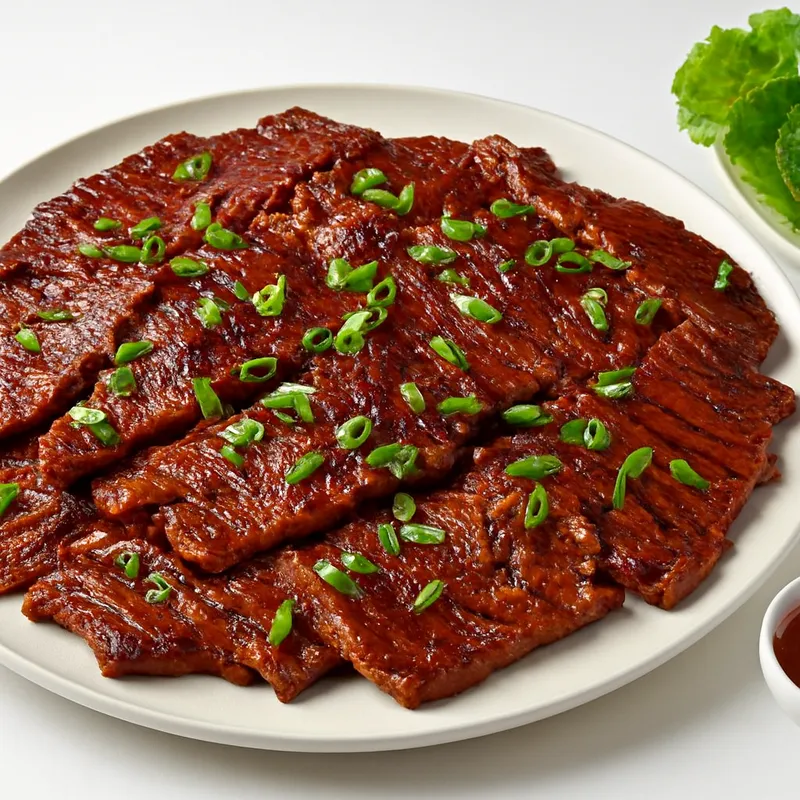
Garaetteok is the long, smooth white cylinder of plain rice cake that sits at the foundation of the Korean kitchen — the raw material from which other dishes are made rather than a dish served on its own. It is pounded from non-glutinous short-grain rice, which gives it a firm, dense, deeply elastic chew quite unlike the gummy stickiness of glutinous tteok. The flavor is almost neutral, clean and faintly sweet, a blank slate built for soaking up soup and sauce. Sliced thin on the diagonal into oval coins it becomes the body of tteokguk, the New Year's soup; cut into finger-length batons it becomes the chew of tteokbokki. Eating fresh garaetteok pulled warm and soft from the steamer, before it has had time to firm, is one of the small pleasures of the Korean year-end.

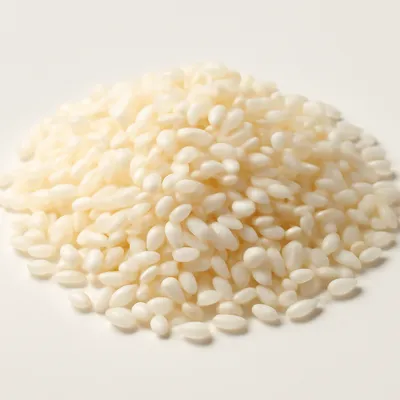


Plain white rice cake of this kind is recorded in the seasonal almanacs of late Joseon: the 1819 Yeollyang Sesigi notes it under the names gwonmo and huintteok, the white cake, while the 1849 Dongguk Sesigi calls it baekbyeong, white cake, and adds that when boiled into soup it was also known as seummyeon, wet noodle. Both texts tie it firmly to the New Year table and to ancestral rites, the festive food that opened the year. Traditionally a household would pound a great batch at year-end — the day of pulling garaetteok — working steamed rice on a wooden block with a mallet until it grew smooth and glossy, then rolling it by hand into long ropes. The long, drawn-out shape was read as a wish for a long life and for fortune stretched out across the coming year. Today most garaetteok is pushed out of a machine in continuous ropes rather than pounded by hand.
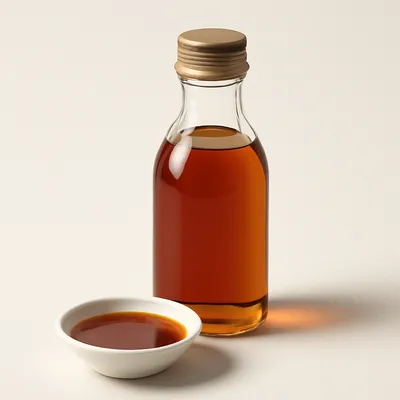
The bite is firm and serious, a dense springy resistance that pushes back against the teeth before yielding — chewier and less sticky than glutinous rice cake, with real body to it. Fresh and warm it is at its softest and most tender, almost pillowy, the surface smooth and faintly glossy. Left to cool a day it tightens and hardens, turning waxy and resistant, which is exactly when it slices cleanest into thin coins. Plain on its own the taste is mild and clean, gently sweet with the comfort of cooked rice, asking to be dipped in honey or syrup, or dropped into hot broth where it softens and turns slippery again.
The firm chew comes from the rice itself: non-glutinous short-grain rice carries roughly a fifth of its starch as amylose, the long straight molecule glutinous rice almost entirely lacks, and it is amylose that builds a tighter, springier, less sticky network. Steaming the rice flour gelatinizes the starch, swelling the granules with water until they burst; pounding and kneading the hot mass then works the freed starch into a cohesive, elastic dough, while rolling aligns it into the smooth cylinder. The whole logic of the cake turns on retrogradation, the staling reaction: as garaetteok cools, the amylose recrystallizes and the cake hardens, which is why it is left to firm overnight before it can be sliced into clean thin coins — and why those hard slices are then revived by boiling in soup or stir-frying, the heat and moisture melting the recrystallized starch and returning the chew to soft. Cool, harden, slice, reheat, soften: that cycle is the cake.
Variations
The plain white cake is the standard, but the same dough takes color and grain freely: brown-rice garaetteok from unpolished rice, green cakes scented with mugwort, and other naturally tinted versions all appear. Thickness shifts with purpose — thin and slender for slicing into soup, thicker and longer for tteokbokki or for eating whole, dipped in honey or grain syrup. A close New Year kin is joraengi-tteok, the small dumbbell- or peanut-shaped cakes of the old Kaesong tradition, pinched in at the waist and dropped into festive soup. The everyday machine-extruded ropes sold by the bag are the same idea as the hand-rolled original, only smoother and more uniform.
On the Palate
Where Garaetteok sits in the Korean flavor cloud
Ingredients
Serves 6How it's made
8 steps · 45 min active + 45 min waiting
- 110 min
Rinse the short-grain rice well and soak it in cold water for several hours, ideally overnight, until the grains are swollen and crush easily.
Watch outSoak the rice until a grain crushes to powder between your fingers with no hard core — under-soaked rice grinds coarse and the cake turns gritty, not springy.
- 215 min
Drain the rice thoroughly, then grind it to a fine flour with the salt, sifting it so the texture is even.
- 38 min
Sprinkle in a little water and rub it through so the flour is just damp and clumps when squeezed, then sift again.
- 430 min
Steam the moistened flour over high heat in a cloth-lined steamer until it is fully cooked, glossy, and translucent through.
Watch outSteam the moistened flour until it's fully glossy and translucent right through — any chalky-white spots mean raw starch, and the cake won't pound smooth.
- 512 min
Tip the hot steamed dough into a sturdy bowl or onto an oiled board and pound and knead it hard until it turns smooth, dense, and elastic with no graininess left.
Watch outPound and knead the hot dough hard until it turns dense, springy, and completely smooth with no graininess left — this is what builds the signature chew.
- 610 min
Oil your hands and a work surface, pinch off pieces, and roll each into a long, even, smooth cylinder of the thickness you want.
- 745 min
Let the cylinders cool and firm — ideally overnight — until they are set enough to slice or hold their shape.
- 85 min
Slice thin on the diagonal for soup, or cut into finger-length batons for stir-frying; cooled cakes can be frozen and revived in hot water.
Archive tool suggestions — not reviewed
These legacy suggestions have not been evidence-reviewed and are not presented as required tools.