A Jiujiang banquet showpiece: hand-beaten freshwater fish paste formed into smooth spheres, then pressed all over with fine strands of egg omelette, carrot, and wood-ear mushroom that radiate outward like the silk tassels of a traditional Chinese embroidered ball. Steamed until just set, they arrive at the table as vivid, multi-coloured spheres floating in a thin, clear broth — simultaneously a demonstration of the cook's skill and a celebration of Poyang Lake's freshwater bounty.


Embroidered Ball Fish Balls belong to the Xunyang school (浔阳菜) of Gan cuisine, centred on Jiujiang, which has long drawn on the extraordinary freshwater abundance of Poyang Lake — China's largest freshwater lake. The elaborate shaping of fish balls into embroidered-ball forms reflects Jiangxi's tradition of ornamental banquet cookery, in which visual craft signals a host's respect for honoured guests: in classical Jiujiang feast culture, the more intricate the preparation, the greater the honour. No single documented founding date exists for this dish; it is best understood as a regional refinement of the broader Chinese fish-ball tradition, elevated through Jiujiang's wealth of lake fish and its culture of elaborate feast presentation.
The shredded garnish gives a brief silky resistance before the sphere opens at the first bite: the fish paste inside is springy and faintly sweet, rich with the clean protein of lake fish, bonded together by the work of patient hand-beating. The surrounding broth is thin and clear but quietly alive with depth.
The springy texture of the fish balls comes from salt-solubilised myofibrillar proteins — primarily myosin — that form a continuous elastic gel network upon heating. Beating the fish paste vigorously in one direction stretches the myosin filaments and promotes intermolecular cross-linking. Adding ice-cold water incrementally during beating keeps the paste below 10 °C, preventing premature protein aggregation before the balls are formed. Steaming at 70–75 °C sets the gel in its most cohesive and elastic state. The shredded garnish adheres to the surface as the outermost protein layer denatures and bonds to it during cooking.
Variations
A deep-fried version coats the formed balls in fine breadcrumbs and fries until the exterior is golden and crisp before a brief finish in broth. Some Jiujiang cooks embed a small whole shrimp or a nugget of minced pork in the centre for added richness. In winter, the balls are simmered in pork-bone broth with tofu and napa cabbage as a warming one-pot meal.
On the Palate
Where Embroidered Ball Fish Balls sits in the Chinese flavor cloud
Ingredients
Serves 4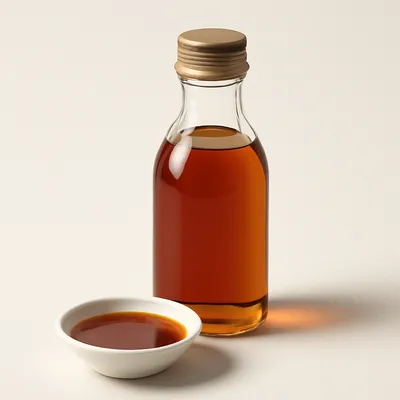

How it's made
7 steps · 40 min
- 110 min
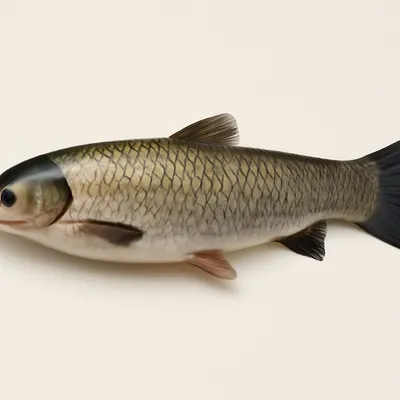
Fillet 600 g fresh grass carp or mandarin fish; remove all skin and pin bones. Using a spoon or the back of a knife, scrape the flesh from the remaining membrane to obtain clean, pale fish paste. Discard any remaining connective tissue.
- 220 min
Finely mince the fish paste with a cleaver, then transfer to a large bowl. Add 1 tsp salt and beat vigorously in one direction with a wooden spatula, adding 80 ml ice-cold water in 4 increments. Continue for 10–15 minutes until the paste becomes very sticky, elastic and holds its shape; a small amount dropped into cold water should float.
Watch outBeat the paste one direction only, adding ice water bit by bit, until a pinch dropped in cold water floats — that float means the myosin has set into a springy gel.
- 310 min
Make the garnish: beat 2 eggs lightly, pour into a lightly oiled pan to make a thin omelette; cool and slice into 4 cm × 2 mm strips. Julienne 30 g carrot and 30 g rehydrated wood-ear mushroom to the same dimensions.
- 415 min
Wet both hands. Scoop roughly 40 g of fish paste and roll between the palms into a smooth, tight ball. Arrange the three-coloured garnish strips all over the ball's surface, pressing them gently so they adhere without clumping. Repeat to form 12–14 balls total.
Watch outWet your palms and roll each ball smooth and tight before pressing on the shreds — a cracked or loose ball falls apart in the steam.
- 512 min
Place the balls on a lightly oiled steaming plate, spacing them so they do not touch. Steam over vigorously boiling water for 10–12 minutes until cooked through and firm to the touch.
Watch outSteam gently, just to firm — push the heat too high and the delicate gel bloats and turns spongy and coarse instead of tender-bouncy.
- 65 min
While the balls steam, heat 600 ml light stock to a gentle simmer; season with salt and white pepper to taste.
- 73 min
Transfer the fish balls carefully to a serving bowl; pour over the hot broth, add a few drops of sesame oil and a pinch of sliced scallion. Serve immediately.
Archive tool suggestions — not reviewed
These legacy suggestions have not been evidence-reviewed and are not presented as required tools.


