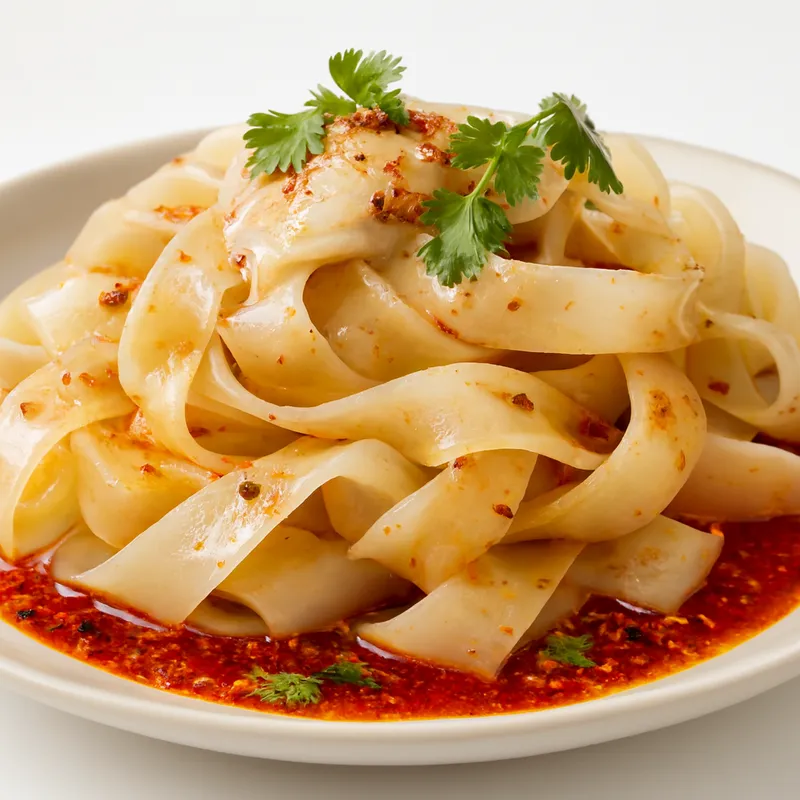
Braised Young Rooster is a jianghu dish from Chongqing's Bishan district — a free-range young rooster chopped into bone-in pieces and stir-fried bone-dry over sustained high heat before any liquid enters the pan, then slow-braised in a thick, brick-red bath of Pixian doubanjiang, dried chili, Sichuan peppercorn, and caramelised rock sugar. The sauce reduces to a clinging, oil-rich glaze rather than a soup. This is the rougher, prouder original behind the nationally franchised Chongqing Chicken Claypot chains — and it tastes like it: heavy with spice, deep in umami, impossible to stop eating over white rice.




Braised Young Rooster traces to Bishan county on the western edge of Chongqing, with no documented founding year — it belongs to the oral tradition of jianghu cuisine. The most widely repeated account holds that long-haul truck drivers arrived at a near-closing roadside restaurant; the owner, with no proper ingredients left, killed his own rooster and cooked it with leftover hot pot base, dried chili, and spices, going heavier on the seasoning than usual. The accidental result was startlingly good, and drivers spread the word along the Sichuan-Chongqing highway circuit. The name reflects local dialect: in Chongqing and Sichuan vernacular, a rooster is called 鸡公 (ji gong) rather than the Mandarin standard 公鸡 (gong ji). A nationally franchised format called 鸡公煲 (Chicken Claypot) derives from this dish but uses a clay pot and a tomato-based sauce with reduced heat — a commercial adaptation that Bishan purists view as a different dish entirely.
Small bone-in pieces, skin stained deep mahogany and lacquered in an oily, spice-thick sauce. The fat is unapologetically heavy — jianghu cooking does not trim calories. Sichuan peppercorn buzz and chili heat arrive together, backed by a faint bitter-sweet undercurrent from the caramelised rock sugar that keeps the spice from going flat and one-dimensional. Free-range young rooster is denser than farmed chicken; after the initial dry-fry and the long braise, each piece holds its bite while releasing a pocket of sauce-saturated juice on the chew. Sauce over white rice, piled high, is the expected ending.
The technique's fulcrum is 炒干水分 (chǎo gān shuǐfèn) — dry-frying. Chicken goes into the hot wok with no added liquid and is tossed over sustained high heat until all surface moisture has steamed off and a light Maillard crust forms on the skin. Without this step, the later braise produces pale, soft-skinned chicken with a diluted sauce — a failure the dish's practitioners describe as 没有锅气 (no wok breath). Once the chicken is dry-fried, rock sugar added to the hot fat caramelises to amber in under two minutes: the caramelisation reaction builds bitter-sweet complexity that counterbalances the chili's raw heat and deepens the sauce's colour. Pixian doubanjiang then delivers two things at once — fermentation-derived glutamates that stack with the chicken's own inosinate for synergistic umami multiplication, and red yeast pigments that bleed into the cooking oil and build the brick-red hue. The braising liquid subsequently reduces to a sauce that clings rather than pools: thick, aromatic, and designed to hold heat long after the wok leaves the flame.
Variations
Taro and potato are both traditional additions to the braise — they absorb the thick sauce completely, and many regulars consider them superior to the chicken itself. Dried black bamboo shoots add textural contrast and draw additional umami from the sauce. Some cooks add fresh two-jintiao green chili in the final minute for a brighter, less smoky heat; others go heavy on Hanyuan Sichuan peppercorn for a numbing-forward profile. Chengdu renditions often reduce the dried chili and lead with the doubanjiang's fermented depth, producing a darker, milder dish. The nationally franchised Chicken Claypot (鸡公煲) is a derived format that uses tomato paste in place of doubanjiang and cooks in a clay pot — recognisably related, but not considered the same dish by Chongqing cooks.
On the Palate
Where Braised Young Rooster sits in the Chinese flavor cloud
Ingredients
Serves 4
How it's made
7 steps · 30 min
- 120 min
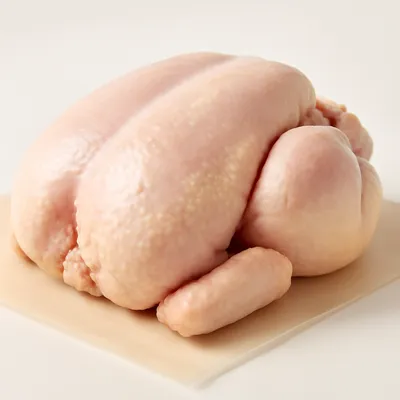
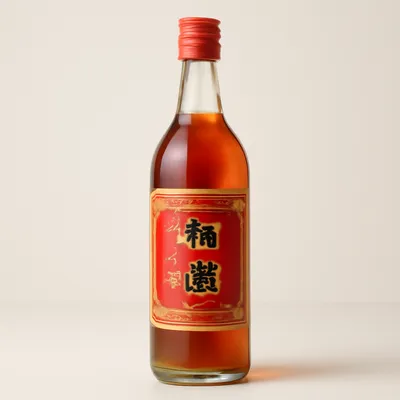
Clean the young rooster; chop into 3–4 cm bone-in pieces. Toss in a bowl with Shaoxing wine, half the ginger slices, a pinch of salt, and half the Sichuan peppercorn; marinate 20 minutes.
- 28 min
Heat oil in a wok over high flame until almost smoking. Add the chicken pieces — no added liquid — and let them sear without stirring for 1 minute, then stir-fry vigorously until all surface moisture has evaporated and the skin is lightly crisped, about 8 minutes. This dry-fry step (炒干水分) is non-negotiable.
Watch outDry-fry with no liquid until every drop of surface moisture hisses off and the skin lightly crisps — stop too early and the braise goes pale and watery with no wok breath.
- 32 min
Push the chicken to the sides of the wok. Add rock sugar to the centre; stir constantly until it melts and darkens to a deep amber caramel, about 2 minutes. Fold the chicken back in and toss to coat evenly in the caramel.
Watch outMelt the rock sugar to a deep amber and fold the chicken in the instant it colors — push it one shade darker and the caramel turns bitter and scorched.
- 43 min
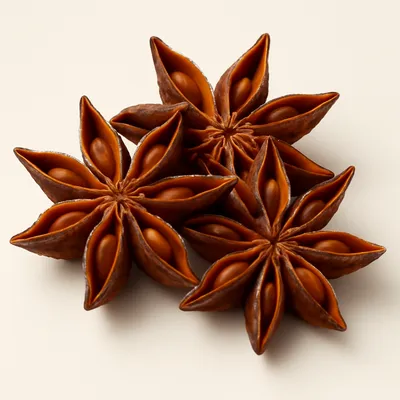
Add the doubanjiang (finely minced), dried chilies, remaining Sichuan peppercorn, and star anise. Stir-fry until the oil turns brick-red and the bean paste smells cooked through and fragrant, about 3 minutes.
Watch outFry the doubanjiang until the oil breaks brick-red and smells cooked, not raw-beany — that red oil is the flavor base for the whole braise.
- 51 min
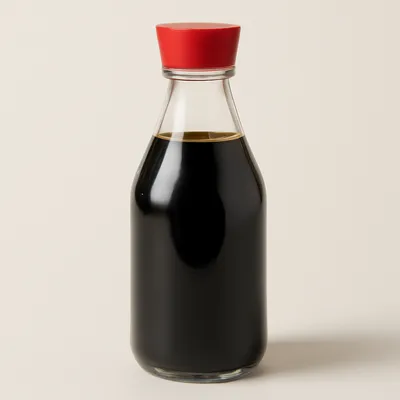
Add the garlic cloves and remaining ginger. Pour in the dark soy sauce and toss briefly to combine.
- 625 min
Add enough water to just submerge the chicken pieces. Bring to a full boil, then reduce to a brisk simmer. Braise uncovered, stirring occasionally, until the sauce has reduced by about half and clings visibly to the chicken, about 25 minutes.
Watch outBraise uncovered until the sauce reduces by half and visibly clings to the chicken — you want it coating the pieces, not pooling thin at the bottom.
- 71 min
Taste and adjust salt. Serve immediately in the wok or a deep bowl — the Sichuan peppercorn buzz fades on standing and the sauce keeps thickening. Pour the thick sauce over white rice.