Spring-Water Chicken is the signature dish of Chongqing's Nanshan district — a free-range rooster fried crisp in rapeseed oil, then stir-braised with doubanjiang, pickled chili, fermented black beans, Sichuan peppercorn, and dried chili in mountain spring water for twenty minutes. The result hits six notes at once: numbing, spicy, scalding-hot, fresh, fragrant, and tender. Authentic restaurants present it as a one-chicken-three-courses feast — the main chicken dish, a stir-fried offal plate, and a chicken-blood broth — all from a single bird, nothing wasted.


Spring-Water Chicken was invented in 1993 by Li Renhe, a Nanshan farmer who ran a small restaurant called Spring Water Eatery — named for the deep mountain well behind his shop. One afternoon, chatting with friends about ways to cook chicken, he improvised: killed a live free-range rooster, fried it in hot rapeseed oil, then simmered the pieces with Sichuan peppercorn, dried chili, garlic, fermented black beans, and rock sugar in the well's spring water for about twenty minutes. Friends urged him to put it on the menu; he named the dish after his own restaurant. Word spread across Nanshan, neighbouring restaurants followed, and the area became Chongqing's famous Spring-Water Chicken row — a fixture of the local weekend ritual of climbing the south mountain to see the city panorama and eat. In 2001 the dish was designated a Chinese Famous Dish (中国名菜) by the national commerce authority; in 2003 it received the National Green Dining Dish citation.
Small-cut pieces, fried until lightly crisped — there is resistance, a faint snap, unlike the fall-apart softness of ordinary red-braised chicken. Two sensations arrive in sequence: Sichuan peppercorn sends a low buzzing numbness across lips and tongue first; the heat of dried chili lands second; between them, a mild sourness from the pickled chili threads through. Each piece has absorbed the deep umami of doubanjiang and fermented black beans all the way through the crust. Best eaten immediately from a hot wok, sauce poured straight over white rice.
The technique is fry first, braise second. Rapeseed oil at around 200°C drives Maillard reactions on the chicken skin — amino acids and sugars browning into a golden, aromatic crust that also seals in the meat's moisture. Rapeseed oil is traditional here rather than neutral cooking oil because its own nutty character adds a background layer no other fat replicates. Once spring water is added and the heat drops below boiling, proteins tighten slowly, keeping the meat tender rather than rubbery. Umami compounds — glutamates in the doubanjiang and fermented black beans, inosinate from the chicken — dissolve together and stack synergistically in the hot liquid, multiplying perceived savoriness well beyond any single ingredient. Spring water's lower mineral content and minimal impurities produce a clearer, brighter broth than most tap water; outside Chongqing, quality mineral water gives effectively the same result.
Variations
The purist order is a whole chicken served three ways: the main spiced chicken dish, pickled-pepper stir-fried offal, and a chicken-blood broth — one bird, nothing discarded. Modern restaurants have extended the format into a spring-water chicken hot pot, using the braising liquid as the base after the chicken is finished. Spring-Water Chicken Rice Noodles (泉水鸡粉) has become a popular breakfast and late-night dish. Some cooks swap dry chilies and Sichuan pepper for fresh green two-jintiao chili and green peppercorn, producing a brighter, fresher palate. A stripped-down version — no doubanjiang, only dry chili and peppercorn — is favoured by older Nanshan regulars for a purer numbing-hot punch.
On the Palate
Where Spring-Water Chicken sits in the Chinese flavor cloud
Ingredients
Serves 4



How it's made
7 steps · 30 min
- 115 min
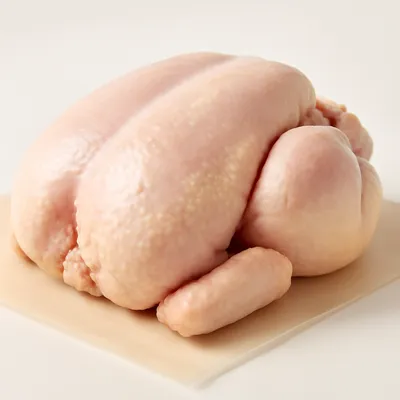
Slaughter and clean the free-range rooster; chop into small pieces about 3 cm across. Toss with ginger slices, a pinch of Sichuan peppercorn, salt, and Shaoxing wine; marinate 15 minutes.
- 25 min
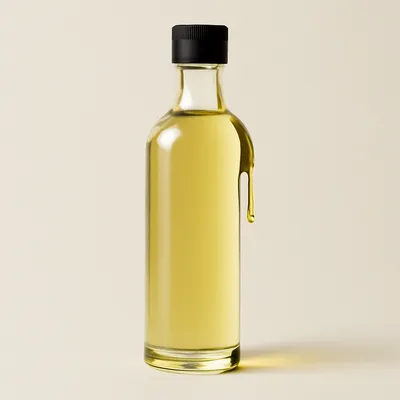
Heat rapeseed oil in a wok over high flame to about 200°C (8/10 heat). Add the chicken pieces and stir-fry vigorously until the skin is golden-crisp and all surface moisture has evaporated, about 5 minutes. Pour off most of the oil, leaving about 3 tablespoons in the wok.
Watch outStir-fry the chicken hard until the skin crisps golden and every drop of surface moisture is gone — this crust seals the juices in.
- 31 min
Reduce to medium-high heat. Add dried chili and Sichuan peppercorn; stir-fry until fragrant and the chilies just begin to darken, about 1 minute.
- 42 min
Add doubanjiang (finely chopped) and pickled chili; stir-fry until the oil turns deep red and the bean paste is cooked and fragrant, about 2 minutes.
Watch outFry the doubanjiang until the oil turns deep red and the raw bean smell cooks off — undercooked, it tastes flat and muddy.
- 52 min
Add fermented black beans, garlic, and rock sugar. Splash in a measure of Shaoxing wine and toss to combine, letting the alcohol flash off.
- 620 min
Pour in enough spring water (or quality mineral water) to barely cover the chicken. Bring to a boil, then reduce heat and simmer uncovered, stirring occasionally, until the chicken is fully cooked through and the sauce has reduced by about half, approximately 20 minutes.
Watch outAdd just enough spring water to barely cover, then keep it below a boil — hard boiling toughens the chicken to rubber.
- 71 min
Taste and adjust salt. Serve immediately in the wok or a deep bowl; ladle the remaining sauce over white rice.


