
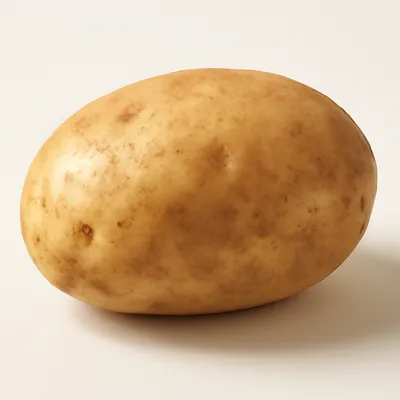
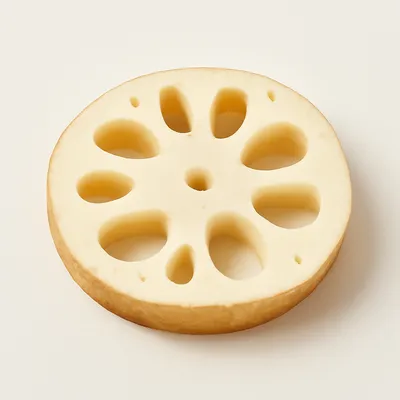
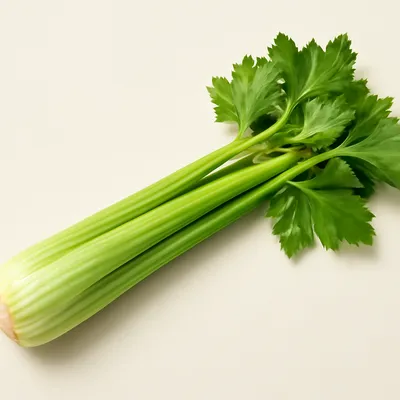
耗儿鱼是重庆江湖菜里一道以马面鲀为主料的干锅麻辣鱼。马面鲀是种小海鱼,去头去皮去内脏后只剩一截雪白的鱼身,肉质紧实、沿脊只有一根主刺、无细小的肌间刺,最经得起干锅猛火的反复煸炒。做法是把鱼身改段,与干辣椒、花椒、泡椒、郫县豆瓣大火爆炒,汤汁收到近乎干香,让料油裹住鱼块,再盛进小锅、下置小火,连锅端上桌。底下常垫土豆、莲藕、芹菜吸油。它与重庆烤鱼不同:烤鱼是先炭烤再入红汤同煨,耗儿鱼则全程在锅里爆炒收汁,属川渝的干锅一路。



Haoryu ("mouse fish") is the Chongqing dialect name for the leatherjacket, or filefish — properly the green-finned leatherjacket, also sold as horsehead fish, rubber fish or peel-off fish. Once dressed the way Chongqing kitchens take it — head, tough hide and innards all removed — what is left is a pale white body whose tapering shape was thought to resemble a mouse, and in Sichuan-Chongqing speech a mouse is a haozi, so the fish became the haoryu. It is a sea fish rather than a river fish, and only reached the city in quantity in the late 1970s, when frozen marine catch from the coast began moving inland; locals first met it as cheap, bony-free, easy-to-eat fish and at first hardly knew what to do with it. It entered the Chongqing table through hotpot — dropped in as a cheap add-in — and from there grew into a dish in its own right, cooked dry-pot, boiled mala-style, deep-fried or grilled. As a modern jianghu dish it has no single recorded inventor; it is documented as a Chongqing restaurant staple, sibling to dry-pot frog, dry-pot chicken and the other dry-pots.
The fish goes in as short white segments and comes out seared at the edges, the firm flesh staying in clean meaty chunks rather than flaking apart — there are no fine pin-bones to pick, just the one soft central spine you eat straight around. Each piece is glazed in red oil and clinging dried chili, the pickled chili lending a sour-bright edge over the dry heat. The chili burn lands first; the peppercorn's fine numbing buzz climbs the tongue a beat later. The little brazier keeps it sizzling, so the sauce thickens and darkens as you eat, and the potato and lotus root underneath drink up the best of the oil.
Leatherjacket flesh is firm and low in fat with no intramuscular pin-bones, which is exactly why it can take a hard dry-pot frying that would shred a softer river fish — the chunks hold their shape through repeated tossing instead of falling to mush. The fish is usually patted in a little starch and run through hot oil first to set the surface and seal the cut faces, so it survives the long stir-fry still juicy; the chili bean paste must be fried in oil until it stains the fat red and turns fragrant before the fish returns, which kills its raw edge and releases both the color and the bean aroma. Dried chili gives the heat, Sichuan peppercorn the numbing tingle — its hydroxy-alpha-sanshool acting on the tongue's touch nerves so the "ma" is felt as a fine buzz rather than tasted; pickled chili and pickled ginger shift the base toward a sour-fresh note rather than flat dry heat. The whole point is a reduced, not soupy, sauce: the liquid is cooked off so the seasoned oil clings to the fish, and at the table the low flame keeps evaporating the last of it so the glaze stays on the meat instead of pooling in the pot — the defining behavior of a dry-pot.
Variations
The Chongqing dry-pot style leans hardest on dried chili and peppercorn for a dry, mala finish; a young-ginger base plays up a sharper, fresher heat; a green-peppercorn (teng-jiao) base swaps in a brighter, cleaner numbing aroma; a heavier pickled-chili base reads more sour-fresh. The same fish is also done as a boiled mala fish swimming in red broth, or simply tossed into a hotpot or a mala xiang-guo. Common vegetables underneath are potato, lotus root and celery. It is distinct from Chongqing grilled fish, which is charcoal-grilled first and then simmered in a tray of red broth rather than dry-fried, and from dry-pot frog and dry-pot chicken, which share the method but use a different protein.
On the Palate
Where Mala Leatherjacket Fish sits in the Chinese flavor cloud
Ingredients
Serves 3
How it's made
6 steps · 20 min active + 10 min waiting
- 110 min
Clean the leatherjacket — head, skin and innards off — and cut the body into short segments; pat dry and dust lightly with starch.
- 22 min
Run the fish through hot oil for under a minute to set the surface and seal the cut faces, then lift out and drain.
Watch outRun the starch-dusted fish through hot oil under a minute just to set the surface and seal the cut faces — this is what lets the chunks survive repeated tossing without falling to mush.
- 34 min
Leave a little oil in the pan and fry dried chili, Sichuan peppercorn, garlic, ginger, pickled chili and a spoon of chili bean paste over low heat until the oil runs red and fragrant.
Watch outFry the chili bean paste over low heat until the oil runs red and fragrant before the fish returns — this kills its raw edge and releases the color and aroma.
- 43 min
Return the fish, raise the heat and toss to coat every piece in the seasoned oil.
- 55 min
Tip in pre-cooked potato, lotus root and celery to soak up the oil and reduce until almost dry.
- 62 min
Transfer to a small pot set over a low flame and serve sizzling, finishing with scallion.


