Dual-Pepper Rabbit is a signature small-fry dish from Zigong's salt-merchant cuisine, built on two Sichuan chilies — the aromatic erjingtiao green pepper and the sharp-punching millet chili. Pixian doubanjiang fried to red oil forms the flavor base, Sichuan peppercorn adds a numbing tingle, and high-wok heat drives everything to a glossy, lightly charred finish. Rabbit is lean and nearly neutral in taste, which makes it ideal for this kind of aggressive, layered seasoning. The dish is documented as the ancestral form from which Zigong's famous fresh-pot rabbit (鲜锅兔) later evolved.




Zigong takes its name from its two historic salt wells — Ziliujing (自流井) and Gongjing (贡井) — and the wealth they generated shaped one of Sichuan's most distinctive regional styles, known as salt-merchant cuisine (盐帮菜). Rabbit entered the Zigong kitchen because it was cheap and fast-breeding in the Sichuan hills, its lean, mild flesh ideal for the heavy-oil, intensely spiced cooking that salt workers demanded for fuel. As the salt trade flourished under the Qing dynasty, competing merchant families drove culinary ambition, and their cooks layered erjingtiao peppers, Sichuan peppercorn, and Pixian doubanjiang into the small-fry technique that became standard for rabbit. Dual-Pepper Rabbit is cited in multiple accounts as the ancestral form of the newer fresh-pot rabbit (鲜锅兔), which later substituted fresh chilies and broth while keeping the same wok logic. Today Zigong is estimated to consume close to a hundred million rabbits a year.
Rabbit chunks come out of the wok barely charred at the edges, coated in brick-red doubanjiang oil. Sichuan peppercorn lands first — a short electric buzz at the lips — then erjingtiao opens its roasty, green-herb fragrance, and finally millet chili's spike arrives last. Three layers of heat, each with its own timing. Rabbit is lean and nearly neutral, absorbing the Pixian doubanjiang's salt-sour umami thoroughly; every piece is glossy and oil-bright. Best over white rice — this is the food that fueled the salt yards.
The core technique is 小煎 — Sichuan's small-fry: marinate the meat, then hit it with maximum wok heat for a few minutes only. Rabbit muscle is fine-grained and almost fat-free; prolonged cooking toughens it immediately, so the entire stove time is kept short and violent. Erjingtiao is a medium-heat variety with high aromatic complexity — large, green-fruity, gentle enough to eat in volume; millet chili is small and intensely hot. Together they occupy two separate registers: one lays a broad fragrant base, the other drives a concentrated spike of capsaicin heat through it. Pixian doubanjiang fried in hot oil releases its red pigments and fermented umami compounds into the fat, which then coats every piece of rabbit and binds all the aromatics into a single glossy mass.
Variations
Fresh-Pot Rabbit (鲜锅兔) is the direct modern descendant: fresh chilies replace the dried ones, broth widens the sauce, and the result is wetter and more restaurant-forward. Young-ginger (子姜) shreds added to the stir-fry layer in a bright ginger heat alongside the pepper heat. Green Sichuan peppercorn (青花椒) in place of red gives a citrus-fresh, more volatile tingle. Chengdu-style adaptations sometimes add a spoon of fermented glutinous rice wine (醪糟) to soften the heat with a thread of sweetness.
On the Palate
Where Dual-Pepper Rabbit sits in the Chinese flavor cloud
Ingredients
Serves 3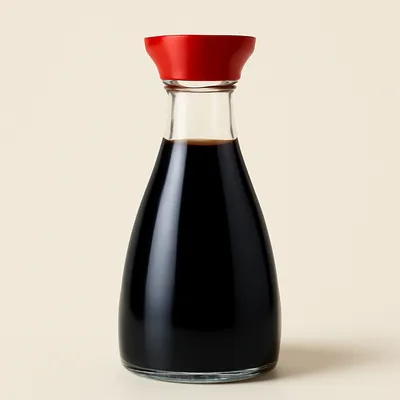
How it's made
7 steps · 10 min active + 20 min waiting
- 15 min
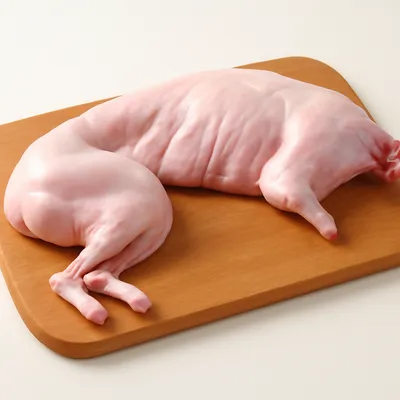
Cut rabbit into 2-cm cubes, rinse thoroughly under cold water, and drain well.
- 220 min
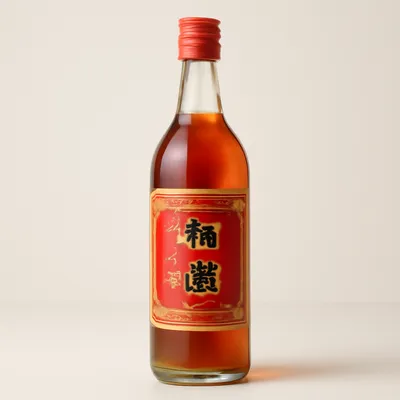
Combine rabbit with Shaoxing wine, soy sauce, and cornstarch; toss to coat evenly and marinate for 20 minutes.
- 35 min
Cut erjingtiao peppers into 3-cm segments; halve millet peppers lengthwise; cut young ginger into fine matchsticks; smash and roughly chop garlic; cut scallion into 4-cm batons.
- 43 min
Heat wok over high until smoking. Add peanut oil, then Pixian doubanjiang; stir-fry over medium-high until the oil turns red and fragrant, 1–2 minutes. Add Sichuan peppercorn, ginger, and garlic; toss 30 seconds.
Watch outFry the doubanjiang until the oil runs clear red and smells fragrant, not raw — raw paste tastes flat and muddy.
- 54 min
Add marinated rabbit. Spread across the wok and leave undisturbed 20 seconds to sear the bottom, then stir-fry vigorously over maximum heat until pieces lose their pink color and edges are lightly charred, about 3–4 minutes.
Watch outRabbit is lean and fine-grained — pull it the moment the pink goes and edges lightly char; a few extra minutes turns it rubbery.
- 62 min
Add both peppers. Toss together over high heat for 1–2 minutes, until the segments are just wilted but still vivid in color.
Watch outToss the peppers only until they slump but still flash green and red — cook them dull and you lose the fresh chili aroma.
- 71 min
Season with soy sauce, add scallion batons, and toss 10 seconds. Taste and adjust salt. Turn onto a platter and serve immediately.


