Gan Bian Shansi is one of the three canonical dry-fried dishes of Sichuan cuisine, ranked alongside dry-fried squid strips and dry-fried beef strips, and considered the most technically demanding of the three. Live ricefield eel is deboned and cut into slivers, then stir-fried in a barely-oiled wok over medium-high heat — no starch coat, no sauce — until all surface moisture is driven off and the skin wrinkles. Minced Pixian doubanjiang is worked in until the oil runs red; ginger, garlic, dried chili, and tender celery follow. Just before plating, a splash of vinegar is flash-seared in the hot wok and Sichuan peppercorn powder is scattered over the top. The finished dish is dry, red-oiled, numbing-hot, and fragrant with char — not a drop of sauce in the pan.
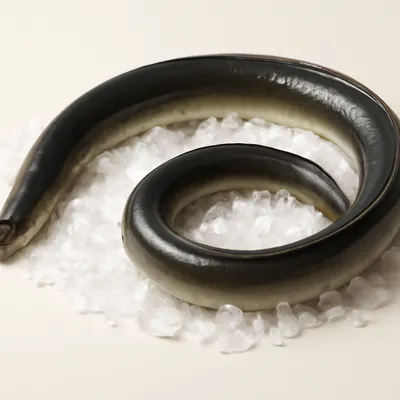




Dry-frying (干煸) is a technique native to Sichuan cuisine: no cornstarch, no sauce-thickening, minimal oil, constant stirring until the ingredient's own moisture is fully driven off into dry, concentrated flavor. The technique holds a canonical place in the Sichuan professional kitchen; the three dry-fried showpieces — squid strips, beef strips, and eel strips — are standard repertoire in Sichuan culinary skill examinations. Among the three, eel ranks as the hardest: once the backbone is removed, the flesh is slick and resists clean slicing, so the carcass must be briefly semi-frozen to stiffen before the knife can cut neat slivers. Yellow ricefield eel peaks in the month around Minor Heat (小暑, early July), fattening on summer warmth in the paddies; the saying "Minor Heat eel rivals ginseng" reflects this peak season. Sichuan cooks seized on this window, applying the demanding dry-fry method to eel and producing a dish that rewards skill — in knife work, heat control, and timing — above all else.
The slivers are thin and hold their shape — a slight resistance at the surface, tender and just-springy flesh inside, neither dry-chalky nor falling apart. Red oil coats every strand, carrying the fermented salt-depth of doubanjiang. Sichuan peppercorn numbs the lips in fine, buzzing waves; then a note of char and vinegar follows through behind the chili heat. There is no sauce pooling under the eel: every bit of flavor is concentrated on each sliver. Spooned over a bowl of steamed rice, the spiced oil bleeds into the grains and the dish disappears in minutes.
The entire technique is about removing water, not adding sauce. Yellow eel has a high water content; thrown over full blast without patience, it scorches on the outside and stays raw inside, or dissolves into mush. Dry-frying holds the slivers in an almost liquid-free environment for an extended period — proteins tighten and the skin wrinkles as surface moisture evaporates, the muddy river smell escaping with the steam, leaving elastic, textured flesh. This is the origin of the phrase 'crisp inside tender, tender inside crisp' (酥中有软、软中带酥). Pixian doubanjiang must be minced fine and cooked in the oil until it 'releases red oil' — the moment the chili pigment and fermented-grain aromas have fully dissolved into the fat. Added coarsely or too late, the sauce turns grey and flat. Vinegar is flash-seared (烹醋) by pouring it along the hot wok rim at the end: the acetic acid vaporizes on contact, leaving only the fruity top note — the Sichuan principle of 'vinegar fragrance without vinegar sourness,' entirely different from the lingering acid of Jiangnan cooking.
Variations
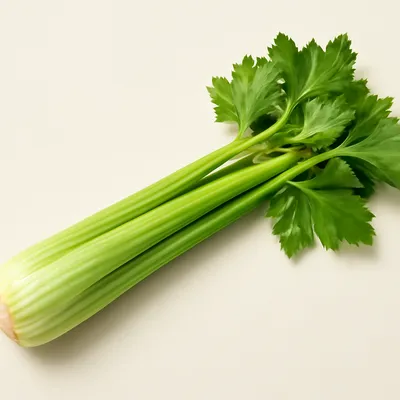
Within Sichuan the accompaniments shift by city: Chengdu versions typically use the pale yellow inner celery stalks (芹黄) for a more delicate herbal note; Zigong salt-gang kitchens often add bean sprouts for crunch; Chongqing versions swap celery for garlic shoots, sharpening the heat. In Shanghai, a handful of Sichuan restaurants have long served it as a seasonal summer specialty, sometimes billing it as the kitchen's signature around Minor Heat. Some modern cooks cut the eel into sections rather than slivers to lower the knife-skill threshold; traditionalists argue that the section form cannot achieve the dry-fragrant concentration that makes the sliver version a benchmark of Sichuan technique.
On the Palate
Where Dry-Fried Eel Slivers sits in the Chinese flavor cloud
Ingredients
Serves 2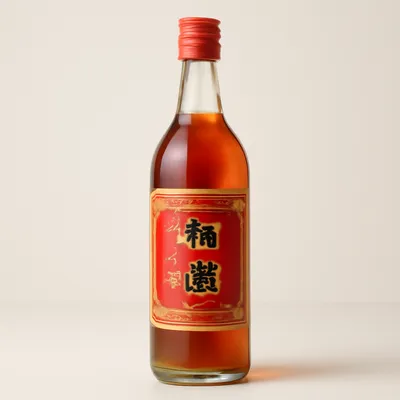


How it's made
7 steps · 25 min active + 1 hour waiting
- 160 min
Kill and bone the eel; rinse and pat dry. Place in the freezer for 45–60 minutes until the body stiffens and lies straight. Remove and cut into slivers about 8 cm long and 0.5 cm thick, preferring the thicker belly-side flesh.
Watch outFreeze only until the eel stiffens straight and slices clean — go too far and it freezes solid and the slivers shatter instead of cutting.
- 25 min
Mince the doubanjiang to a fine paste. Cut celery into 3 cm lengths; cut ginger and garlic into fine slivers or mince; remove stems from dried chilies.
- 310 min
Heat a wok over high heat until a bead of water evaporates instantly on contact. Add a thin film of rapeseed oil, then add the eel slivers. Stir-fry constantly over medium-high heat — no starch, no added liquid — tossing until visible steam subsides and the skin begins to wrinkle.
Watch outKeep tossing with no liquid until the steam dies down and the skin puckers — that wrinkling is the water leaving and the muddy smell going with it.
- 43 min
Splash Shaoxing wine around the wok rim and keep tossing. Add the ginger, garlic, and dried chilies and stir-fry about 1 minute until fragrant.
- 54 min
Add the minced doubanjiang and reduce heat to medium. Cook, stirring constantly, until the paste deepens to brick-red and the oil runs red throughout the wok.
Watch outCook the doubanjiang low until it deepens to brick-red and the oil throughout the wok runs red — that's when its fragrance is fully out.
- 62 min
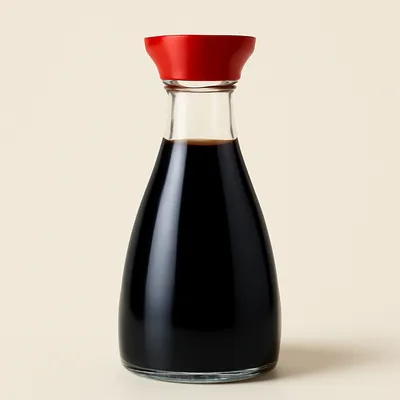
Season with soy sauce; add the celery pieces and toss over high heat for about 1 minute until just cooked through but still bright.
- 71 min
Remove from heat. Splash vinegar around the hot wok rim and toss quickly — the acid volatilizes, leaving only the aroma. Drizzle sesame oil, transfer to a plate, scatter Sichuan peppercorn powder over the top, and serve immediately.
Watch outSplash the vinegar around the hot rim and toss at once — you want the sour aroma to flash off, leaving scent but no sharp sourness in the dish.


