
A fast, cheap stir-fry of finely julienned potato, found on nearly every cheap-eats restaurant menu and in home kitchens across China. The potato is cut into thin even matchsticks and rinsed and soaked in cold water to wash off surface starch, which keeps the strands from clumping and gumming up; it is then stir-fried fast over high heat with dried chilies and Sichuan peppercorns bloomed in hot oil, sharpened with vinegar added along the edge of the wok, and seasoned simply with salt. The defining quality is crispness: properly made, the potato slivers stay crunchy and separate rather than turning soft and mashed. It is served as an everyday side dish over rice.
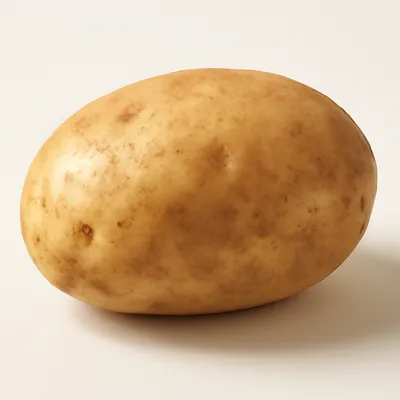



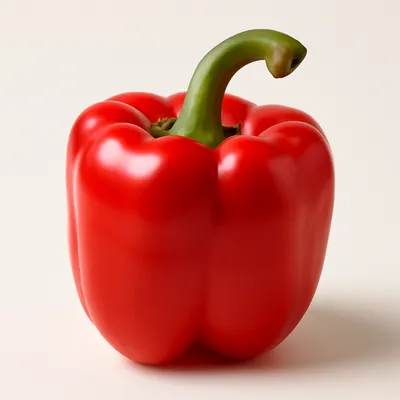
The dish has no single inventor or documented origin; it is a plain folk stir-fry that became ubiquitous as the potato spread through Chinese cooking. The potato was introduced to China from the Americas in the late Ming or early Qing period and over the following centuries became a major crop, especially across the north and northwest. Julienning it and stir-frying it sour-and-spicy is a simple, inexpensive home and small-restaurant preparation rather than a named regional specialty, and is most strongly associated with the vinegar-loving, chili-and-Sichuan-pepper cookery of northern and western China. Its exact origin is unrecorded.
The first thing is the crunch — the slivers snap and stay separate, crisp like a raw water chestnut rather than soft like a boiled potato. The flavor hits sour first from the vinegar, then the dry heat of the chilies, with the numbing tingle of Sichuan peppercorn behind it and a clean salt base; the potato itself is mild and faintly sweet underneath. Done well, every strand is glassy and crisp with a thin sheen of oil and no raw-starch stickiness. Done badly, the slivers are limp and gummy because they were cut too thick, not rinsed of starch, or stir-fried too slowly so they steamed and softened instead of staying crunchy.
Crispness is the whole point, and it comes from two things: removing surface starch and cooking fast. When the potato is cut, cells are sliced open and free starch granules cling to the surface; left on, they gelatinize in the heat and glue the strands together into a soft, sticky mass, so rinsing and soaking the slivers in cold water washes that loose starch away and keeps them separate. A short soak in lightly acidulated water (a splash of vinegar) firms the texture further. The slivers are then stir-fried over high heat for only a minute or two: fast cooking sets the cell structure before enough heat penetrates to fully soften the interior, so the strands stay crunchy. The vinegar is added along the hot edge of the wok near the end — its acid also helps the pectin in the cell walls resist breaking down, reinforcing the crunch, while a quick flash off the hot metal mellows its sharpness; dried chilies and Sichuan peppercorns are bloomed in the oil first so the oil carries their aroma and the capsaicin and the numbing hydroxy-sanshool compounds coat the potato.
Variations
The two main families are a hot-and-sour version (酸辣土豆丝), with dried chili and Sichuan peppercorn for heat and numbness, and a plainer sour-only version (醋溜土豆丝) that leans on vinegar with little or no chili. Vinegar choice changes the character: clear rice vinegar gives a sharp, clean sour, while Shanxi aged vinegar gives a darker, rounder one. Regional and home variants add slivered green and red bell pepper for color, a few cloves of sliced garlic, or scallion; some cooks blanch the slivers in boiling water for a few seconds instead of relying only on the cold-water soak. The same cut also appears stir-fried with green chili (青椒土豆丝) without the sour edge.
On the Palate
Where Hot-and-Sour Potato Slivers sits in the Chinese flavor cloud
Ingredients
Serves 3


How it's made
7 steps · 8 min active + 12 min waiting
- 16 min
Peel the potatoes and cut them into thin, even matchsticks; a mandoline or steady knife work keeps them uniform.
- 210 min
Rinse the slivers in several changes of cold water until the water runs clear, then soak them in cold water with a splash of vinegar for about 10 minutes to wash off the starch and firm them.
Watch outRinse the slivers until the water runs clear, then soak in a little vinegar-water — washing off the loose starch is what keeps them crisp instead of gummy.
- 32 min
Drain the slivers thoroughly so they will fry rather than steam; prepare dried chilies, Sichuan peppercorns, garlic, and sliced bell pepper if using.
Watch outDrain them bone-dry so they fry rather than steam — wet slivers in the wok stew soft and never crunch up.
- 41 min
Heat a wok with oil over high heat, add the Sichuan peppercorns and dried chilies, and bloom them briefly until fragrant (lift out the peppercorns if you prefer).
- 51 min
Tip in the drained potato slivers and stir-fry hard over high heat, keeping them moving so they cook fast and stay crisp.
Watch outStir-fry hard over high heat and keep them moving — a minute or two, done fast, sets the crunch before the strands soften.
- 61 min
After about a minute, pour the vinegar around the hot edge of the wok and toss; add the bell pepper, salt, and a little sugar.
- 71 min
Stir-fry another short moment until the slivers are just cooked but still crunchy, finish with scallion, and serve at once.


