A Shaoxing snack of dried fava beans simmered with fennel seed, star anise, cinnamon and salt until the skins wrinkle and pucker and the beans turn firm and chewy rather than mushy. Salty-savory up front with a faint sweet return and a deep spice fragrance, they are the classic nibble to go with warm Shaoxing yellow wine. The dish is forever bound to Lu Xun: in his story Kong Yiji, the down-at-heel scholar buys these fennel beans at the Xianheng Tavern and quizzes the serving boy on the four ways to write a Chinese character.
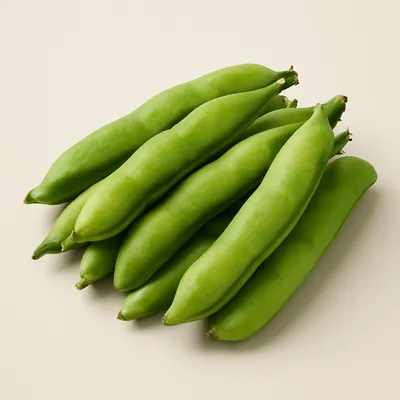

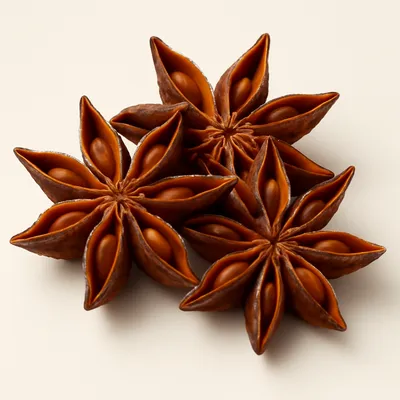
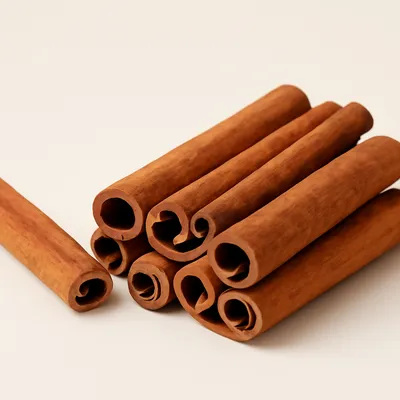

Fava beans (here the dried kind, locally also called 罗汉豆) have long been a Shaoxing staple, and simmering them with fennel and other spices into a wine-snack is old local practice. What made 茴香豆 famous nationwide is literature. Lu Xun set his 1919 story 《孔乙己》 — first published in the magazine 《新青年》 — in a Shaoxing-style tavern, and the threadbare scholar Kong Yiji spends his coppers there on warm wine and a small dish of 茴香豆. In the story's best-loved passages he shields the dish from the village children with his hand, muttering "not many left… hardly any" (不多不多!多乎哉?不多也), and earnestly asks the narrator whether he knows that the character 回 (as in the 茴 of 茴香豆) "has four ways of being written." The Xianheng Tavern (咸亨酒店) that anchors the tale is a real Shaoxing establishment, opened in 1894 (the 甲午 year of the Guangxu reign) by Lu Xun's clansman; carried by his fiction, both the tavern and its fava beans became enduring cultural emblems of Shaoxing.
The skin is wrinkled and slightly tough, and gives a faint resistance before the bean inside yields — firm, chewy, never powdery. The first taste is salty and savory; underneath comes a faint sweet return, and over all of it floats the warm fragrance of fennel, star anise and cinnamon, soaked all the way into the flesh. They are made to be eaten slowly, a few at a time between sips of warm yellow wine, which is exactly how Kong Yiji ate them.
Drying concentrates and toughens the bean; the cook's job is to rehydrate it and then drive flavor in without letting it fall apart. The dried favas are soaked until plump, then brought up over high heat for a brief boil — about fifteen minutes — until the skins crinkle and dimple, the sign that they are softened through. Only then go in the salt and spices, and the heat drops to a long, gentle simmer that lets the seasoning migrate from skin into flesh while the bean tightens rather than disintegrates; the water is cooked nearly dry and the beans cooled covered so they keep absorbing. The aroma is straightforward botany: fennel and star anise both carry anethole (trans-anethole is the dominant compound of star-anise oil), while cinnamon's scent is cinnamaldehyde — together the warm, sweet-spice backbone that defines the bean.
Variations
The long-running argument is dry versus wet, firm versus soft. The Xianheng-style classic is cooked nearly dry and deliberately chewy — wrinkled skins, beans with bite — but home cooks often leave more liquid for a softer, plumper bean, and there is no settled winner. The spice mix varies too: fennel seed is non-negotiable, but cooks add or drop star anise, cinnamon, sand ginger (山柰), licorice or a little soy as they like, and salt is sometimes pushed to give the bean a hard, savory edge. The beans should still be eaten the Shaoxing way — slowly, with warm yellow wine.
On the Palate
Where Fennel-Spiced Fava Beans sits in the Chinese flavor cloud
Ingredients
Serves 4How it's made
7 steps · 20 min
- 15 min
Pick over dried fava beans, discarding discolored or worm-eaten ones, then rinse.
- 2480 min
Soak the beans in plenty of cold water until plumped, changing the water once.
- 315 min
Drain, put the beans in a pot with water to cover, and bring to a brisk boil over high heat for about fifteen minutes.
Watch outBoil hard for about fifteen minutes and watch the skins — when they wrinkle and dimple, that's your signal the beans are softened through and ready to season.
- 42 min
When the skins wrinkle and dimple, add salt, fennel seed, star anise and cinnamon.
- 520 min
Drop to a gentle simmer and cook slowly so the seasoning soaks in and the beans firm up rather than break down.
Watch outOnce you add the salt and spices, drop to the gentlest simmer — a hard boil now blasts the beans apart, but low heat lets the flavor creep in while they tighten and stay whole.
- 65 min
Cook until the liquid is almost gone, then take off the heat.
- 730 min
Leave covered to cool, letting the beans keep drinking in flavor; serve at room temperature with warm yellow wine.
Archive tool suggestions — not reviewed
These legacy suggestions have not been evidence-reviewed and are not presented as required tools.


