A robust, milky-white broth loaded with tender slices of lamb heart, liver, lung, intestine, and tripe—northern China's definitive breakfast soup, sold at specialty shops that open before dawn and shut by noon when the pot runs dry.




According to Shanxi historical accounts, northern Chinese began eating lamb offal systematically during the Yuan Dynasty (1271–1368). The most widely cited origin story holds that when a member of the Mongol imperial court traveled through Quwo County in Shanxi, the local physician Xu Guozhen treated a member of the entourage; Xu's mother Han, witnessing Mongol soldiers discard slaughtered lamb's offal as waste, retrieved the organs, cleaned them meticulously, cooked them with scallion, ginger, and spice, and served the broth—earning the preparation the name 羊杂酪. Whether historical or apocryphal, this account captures a real culinary logic: in the pastoral north, where sheep were the cornerstone of livelihoods, every part of the animal was too valuable to discard. Shanxi calls the dish 杂割 (zágē); Inner Mongolia and the northwest call it 羊杂碎. The dish's warming, iron-rich character made it the ideal breakfast for cold northern mornings. Today, 羊杂汤 shops across northern cities are a breakfast institution, opening at dawn and typically shuttering by noon when the pot empties.
Hot, cloudy, deeply savory—organ slices each bring a different texture: liver is silky and mineral-intense, lung spongy and broth-soaked, intestine has satisfying chew. The fat-rich broth coats the mouth and warms from the inside out.
The milky-white color of 羊杂汤 comes from fat emulsification, not starch. Maintaining a vigorous rolling boil breaks rendered fat into microdroplets via turbulence, suspending them as a colloidal emulsion—the opaque white appearance. Dropping to a gentle simmer allows fat to re-coalesce and the broth returns to clarity. The organs each have distinct connective-tissue structures: lung (fine, porous connective tissue) stays soft and spongy, absorbing broth like a sponge; intestine and tripe (dense connective tissue) require extended cooking to become chewy-tender; liver, being dense muscle tissue, toughens rapidly above 70°C and must be added last or blanched briefly separately.
Variations
Shanxi 杂割 uses a thinner broth, finishes with a splash of vinegar, and is served alongside local flatbread. Inner Mongolia 羊杂碎 makes a richer, spicier stock and includes head meat and hoof alongside the organs. Gansu and Qinghai versions are peppery-hot and add blood jelly (血豆腐). Xi'an vendors serve the soup over soaked vermicelli with chili paste and cilantro.
On the Palate
Where Lamb Offal Soup sits in the Chinese flavor cloud
Ingredients
Serves 4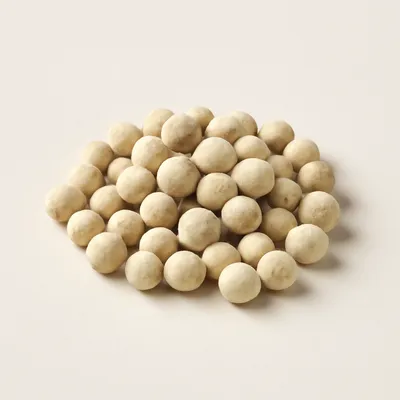


How it's made
7 steps · 30 min
- 1480 min
Clean all offal thoroughly: flip intestines inside-out and scrub repeatedly; inflate and flush lungs with cold water many times; soak all pieces in cold water overnight to remove blood.
Watch outFlip the intestines and scrub, flush the lungs repeatedly, and soak out the blood overnight — skip this and the whole soup turns rank and cloudy.
- 25 min
Bring a large pot of water to a boil; blanch all cleaned offal for 3 minutes, discard the blanching water, and rinse under cold water.
- 38 min
Place lamb bones and blanched offal in a fresh pot of cold water; bring to a vigorous rolling boil and skim foam for 5 minutes.
- 435 min
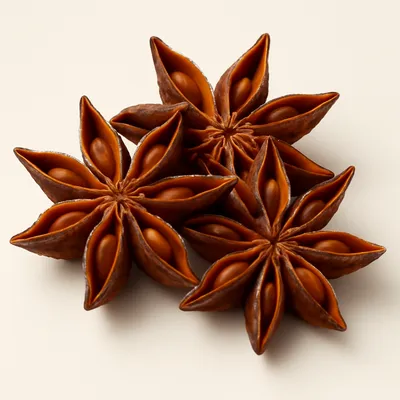
Add scallion knots, ginger slices, star anise, and Sichuan peppercorns; maintain a rolling boil for 30 minutes to develop the milky-white color.
Watch outKeep it at a hard rolling boil for the milky color — that turbulence emulsifies the fat; drop to a gentle simmer and the broth goes clear again.
- 550 min
Remove liver and heart after 20 minutes of total simmering; remove intestines, tripe, and lung after 40–50 minutes. All should be tender but still sliceable.
Watch outPull the liver and heart early and the tripe and lung later — cooked to one timing, the tender cuts go rubbery while the tough ones stay chewy.
- 65 min
Slice all cooked offal into thin pieces; return to the broth and reheat gently over low heat.
- 75 min
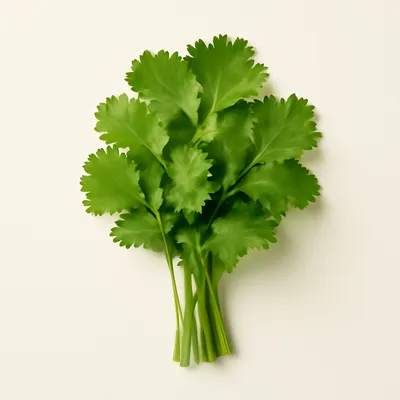
Ladle into deep bowls; season with salt, white pepper, and chili oil; top with fresh cilantro. Serve with flatbread.
Archive tool suggestions — not reviewed
These legacy suggestions have not been evidence-reviewed and are not presented as required tools.



