Shunqing Lamb Rice Noodle Soup is the defining morning dish of Nanchong in northeastern Sichuan — fresh rice noodles, scalded in boiling broth by the traditional 冒粉 method, served in a milky-white lamb and pork bone soup alongside thin slices of seasoned braised lamb. The dish was already famous in the Qing dynasty, when more than a dozen lamb noodle shops lined the streets of the old Shunqing prefecture. Its reputation rests on three-freshness: silky noodles, fragrant lamb without any gaminess, and a clean, steaming-hot broth. A bowl eaten on a cold winter morning drives the chill out bone-deep.



The dish takes its name from Shunqing Prefecture (顺庆府), the Qing-dynasty administrative seat that is now Nanchong city. By the Qing period, more than ten lamb rice noodle shops already operated in the city. The most celebrated was run by Zhu Laogong (朱老拱), born 1874, who apprenticed at the Yang family noodle shop and then opened his own stall on Erfu Street (now Zhengfu Street). His meticulous broth technique — long-simmered to milky white, no animal odor — quickly made him the city standard. The dish's name spread with the regional identity of Shunqing cuisine: the same milky-broth and 冒粉 technique later spawned beef, chicken, eel, and three-seafood variants, but the lamb version remains the founding elder of the whole Nanchong rice noodle family.
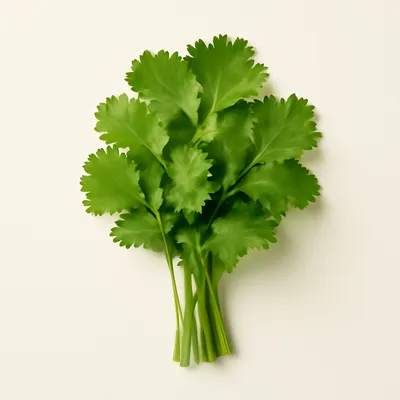
The rice noodles are slender and springy — fresh wet noodles made from rice batter the same day, never dried. They arrive in a bowl of milky-white broth so hot it steams over the rim, with lamb slices already seasoned: a little lard, sesame oil, white pepper. The meat is clean and sweet, no gamey note at all — the long blanching and braise have purged it. A pinch of cilantro floats green on the white surface. On a cold morning, add a spoonful of red chili oil and watch it bloom orange across the broth; the heat of the soup and the buzz of the pepper arrive together.
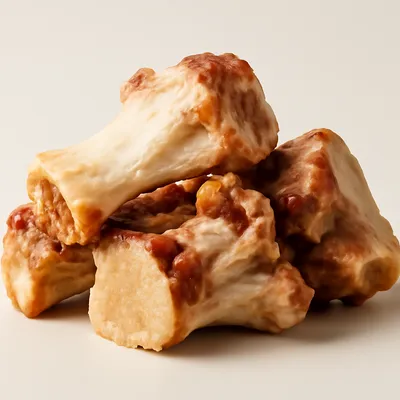
The broth's milky-white color is not cream or starch — it is a fat emulsion. At a rolling boil, fat released from lamb and pork bones shatters into microscopic droplets; soluble collagen and myosin proteins from the bones coat each droplet and keep them suspended, scattering light and turning the liquid opaque white. Lower the heat to a gentle simmer and the emulsion breaks, producing a clear but less unctuous soup. That is why 'high heat makes white broth' (大火出白汤) is the iron rule of Nanchong's noodle kitchens. Blanching the lamb first drives out myoglobin and volatile fatty acids — the main carriers of the gamey odor — and the subsequent long boil expels residual sulfur compounds as steam. The 冒粉 technique serves a dual purpose: rapidly plunging noodles in a bamboo strainer through boiling broth heats them all the way through without the prolonged soaking that would make them mushy, so the noodles arrive in the bowl with their characteristic silky spring intact.
Variations
The lamb filling spawned a full family of Nanchong rice noodle soups: beef, chicken, eel, and a three-ingredient seafood version all follow the same milky broth and 冒粉 technique, with only the protein changing. Within Nanchong, shops vary the chili oil intensity — older establishments keep the broth flavor forward, while newer shops push heat to attract younger customers. Guizhou's Zunyi lamb rice noodle (遵义羊肉粉) is the closest sibling tradition but takes a sharper direction: its broth base uses smoky dry-chili paste (糊辣椒) and sour pickled radish, producing an acidity-forward contrast to Shunqing's clean, sweet-milky style.
On the Palate
Where Shunqing Lamb Rice Noodle Soup sits in the Chinese flavor cloud
Ingredients
Serves 4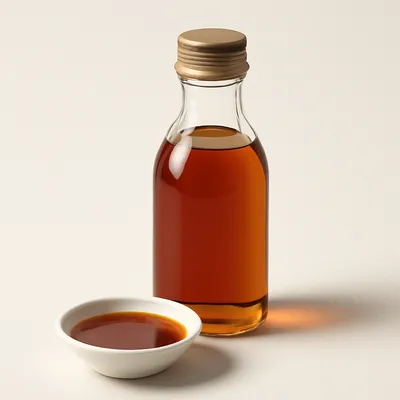
How it's made
7 steps · 35 min active + 2 hours waiting
- 15 min
Blanch the lamb and pork bones: place in cold water, bring to a boil, cook 5 minutes, drain and rinse thoroughly under cold water to remove blood and impurities.
Watch outBring the bones up from cold water and skim off the grey blood-foam hard in the first minutes — clearing that scum now is what keeps the finished broth clean and sweet, not off-tasting.
- 2120 min
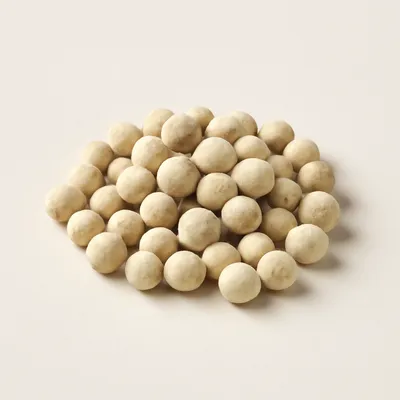
Build the broth: transfer blanched bones and lamb to a clean pot. Add cold water to cover by 5 cm. Bring to a vigorous boil, add ginger slices, Sichuan peppercorn, and whole white peppercorn. Maintain at a strong rolling boil for at least 2 hours, skimming foam early on, until the broth turns milky white throughout.
Watch outHold it at a strong, unbroken rolling boil for a full two hours-plus until the broth turns milky white — high heat is what emulsifies the fat into that opaque white; let it slip to a gentle simmer and it stays clear.
- 310 min
Remove and slice the lamb: when lamb is fall-tender, lift it out, cool slightly, then slice thin on a bias — about 2–3 mm thick.
- 410 min
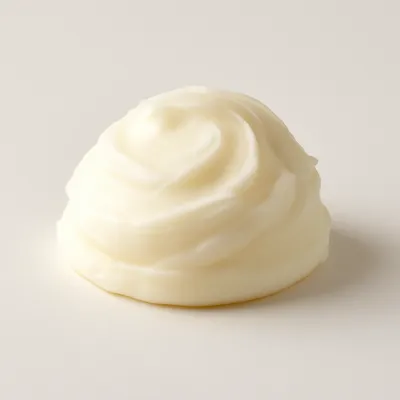
Season the lamb topping: in a bowl, toss sliced lamb with salt, white pepper powder, sesame oil, and a small knob of lard until evenly coated. Let sit 10 minutes to absorb.
- 55 min
Rinse the rice noodles: soak fresh rice noodles in cold water for 5 minutes to loosen strands and wash off excess surface starch; drain.
- 63 min
Scald the noodles (冒粉): grab a serving of noodles in a bamboo strainer. Lower into the vigorously boiling broth, lift quickly, then lower again — repeat 4–6 times until noodles are piping hot all the way through. Tip immediately into a serving bowl.
Watch outDip the noodle basket into the boiling broth and lift it four to six times until the strands are piping hot clear through — the point is to heat them, not to cook them soft, so keep each dip brief.
- 72 min
Assemble and serve: arrange seasoned lamb slices over the noodles, ladle 200–250 ml of hot milky broth over the top, and scatter fresh cilantro. Serve at once, while the surface is still steaming; offer chili oil on the side.
Archive tool suggestions — not reviewed
These legacy suggestions have not been evidence-reviewed and are not presented as required tools.



